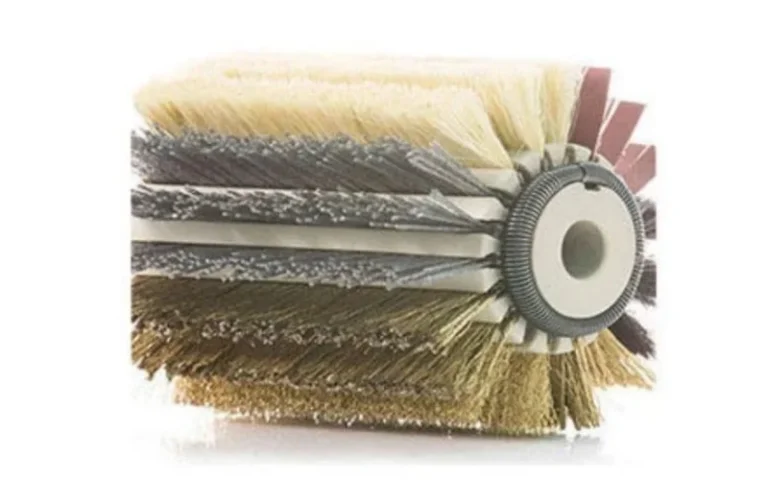
Walk into any high-end furniture factory or a massive textile mill, and the air smells different. It isn’t just the scent of sawdust or ozone from the motors; there is an earthy, almost hay-like aroma lingering near the finishing lines. That smell usually belongs to the sisal cylinder brush. In an age where everything seems to be made of molded plastic or high-tech nylon, there is something remarkably persistent about this prickly, natural fiber. It is a tool that feels “old world,” yet it remains irreplaceable in modern manufacturing for its unique ability to hold onto polishing compounds and provide a bite that synthetics just can’t replicate.
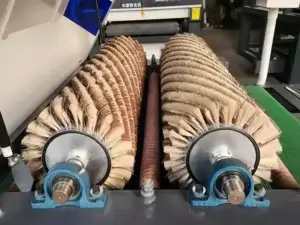
The Gritty Origins of the Fiber
Sisal comes from the leaves of the Agave sisalana plant. If you’ve ever handled a piece of heavy-duty nautical rope, you’ve felt sisal. It is stiff, it is rugged, and it is notoriously resistant to stretching. When these fibers are harvested and processed into a sisal cylinder brush, they bring a natural “scrubbing” property that is both aggressive and somewhat forgiving—a rare combination in the industrial world.
Unlike a metal rust remover brush that relies on sheer hardness to scrape away oxidation, sisal works through high-friction surface tension. The fiber itself is microscopically jagged. This allows it to act like a very fine, flexible sandpaper. One might notice that when a sisal brush hits a piece of rotating equipment, it doesn’t just wipe the surface; it “attacks” it in the most controlled way possible.
Why a Sisal Cylinder Brush is Built Differently
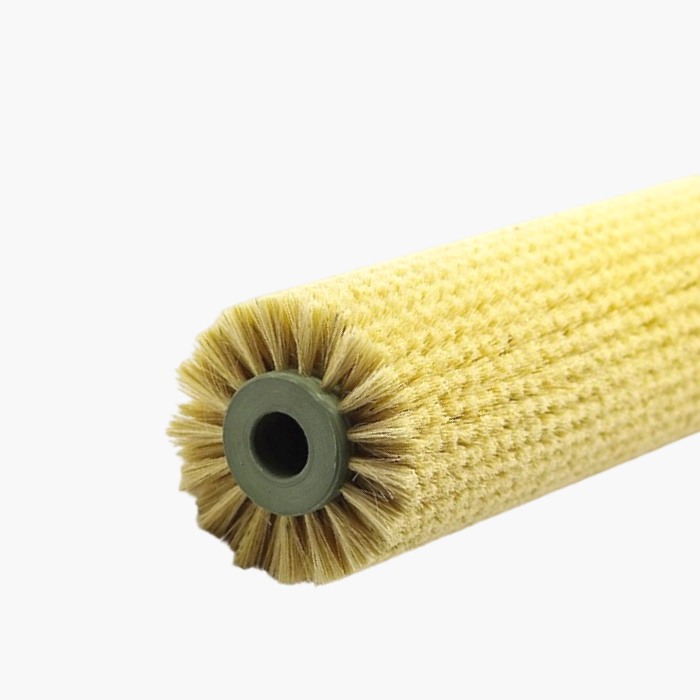
Construction-wise, a Sisal Cylinder Brush isn’t just a bunch of hair glued to a pipe. Because the fibers are natural, they have “memory”—though not in the same way nylon does. They have a tendency to stay stiff even when wet or coated in heavy waxes.
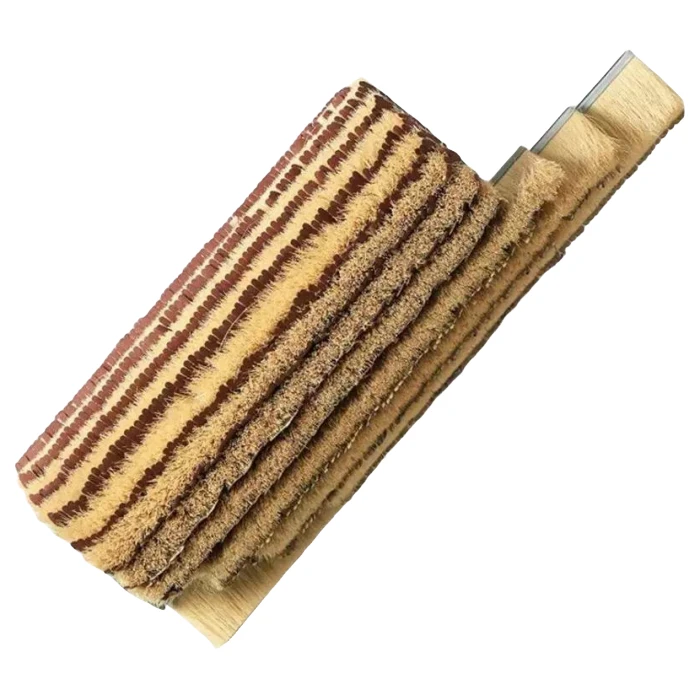
Usually, the fibers are woven into sections or “discs” and then compressed onto a steel or high-density plastic core. Often, you will see “sisal and cloth” hybrids. These are fascinating to watch in operation. The sisal provides the cutting power, while the interwoven cotton layers act as a reservoir for polishing pastes. It’s a bit of a messy process, but for achieving a mirror-like finish on metal or a smooth grain on wood, it is arguably the most efficient method available.
The Role of the Wood Polishing Brush
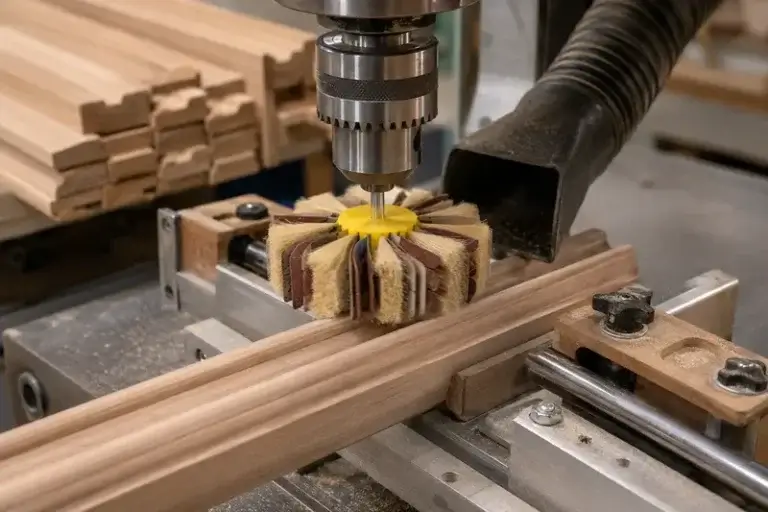
In the woodworking industry, the term “sanding” only gets you halfway there. To get that deep, lustrous finish on a mahogany table or a reclaimed oak floor, you need something that can get into the grain without destroying the natural character of the wood. This is where the wood polishing brush (in its sisal form) becomes the MVP of the shop.
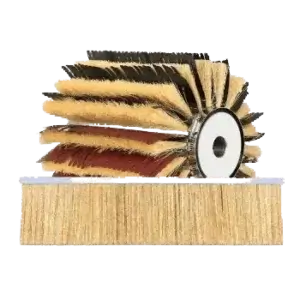
Grain Raising: After initial sanding, sisal fibers can “flick” out the dust trapped in the wood’s pores.
Edge Softening: It rounds off sharp edges just enough to make them touchable without losing the geometric profile of the furniture.
Sealer Sanding: Between coats of lacquer or oil, a sisal brush removes “nibs” or bubbles, leaving a surface that feels like silk but looks like raw timber.
It is often observed that a Sisal Cylinder Brush performs better as it “breaks in.” A brand-new brush might be a little too stiff, but after a few hours of running against hard oak, the tips of the fibers fray just enough to reach the perfect balance of friction and finesse.
Performance Comparison: Natural vs. Synthetic
The Textile Connection: More Than Just Scrubbing
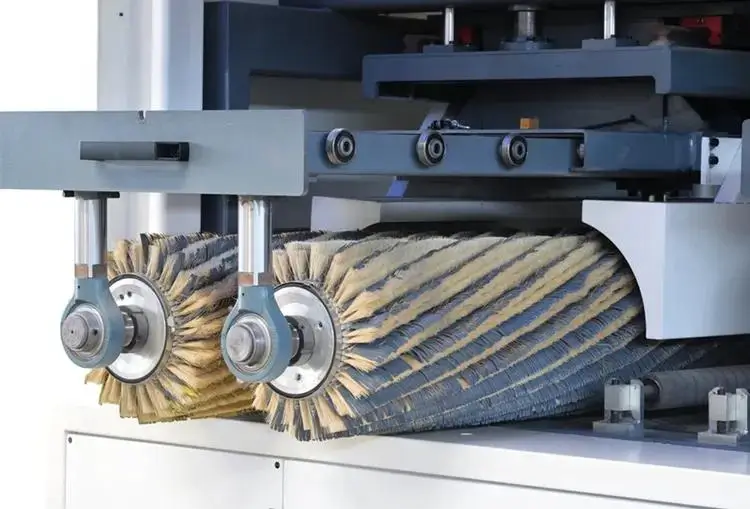
While it might seem strange to use a prickly agave brush on delicate fabrics, the textile processing brush is a staple in the “finishing” stage of cloth manufacturing. Think about the way a pair of heavy denim jeans feels after a “stone wash” or a “peached” finish.
In these machines, the Sisal Cylinder Brush is used to gently abrade the surface of the fabric. This breaks down the outermost fibers of the yarn, creating a soft “fuzz” (known in the industry as the “nap”). It takes a rugged material like sisal to stand up to the constant friction of miles of fabric moving at high speeds. If you used a plastic brush here, the heat would likely melt the bristles onto the cloth, ruining the entire batch. Sisal just gets warmer and keeps on working.
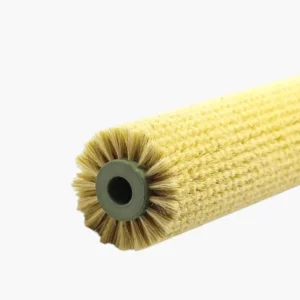
Why it isn’t a Rust Remover Brush (But Needs One)
It is important to clarify a common misconception on the factory floor. You wouldn’t use a sisal brush as a primary rust remover brush. If you try to take heavy, flaky oxidation off a steel beam with sisal, you’ll just end up with a very dusty, broken brush.
However, after a wire rust remover brush has done the “ugly” work of stripping the heavy crust, the sisal brush comes in to “blend” the surface. It removes the scratch marks left by the metal wires, preparing the steel for plating or painting. It is the “closer” of the industrial finishing world—it cleans up the mess the more aggressive tools leave behind.
Maintenance: The “Love-Hate” Relationship with Natural Fibers
If there is one downside to the Sisal Cylinder Brush, it is that it is “messy.” Because these are natural plant fibers, they do shed. Over time, you’ll find fine sisal dust around the machine. This is perfectly normal, but it does mean that dust extraction is a big deal when running these at high RPMs.
Avoid Moisture Overload: While sisal can handle some dampness, soaking it can cause the fibers to go limp.
Trim the “Wild” Fibers: Occasionally, a few strands of sisal will grow longer than others due to the way they untwist. A quick trim with a sharp blade keeps the cylinder perfectly round.
Check the Compression: Since these are often made of compressed discs, checking that the locking collars on the shaft are tight is vital. A “loose” sisal brush will wobble and create an uneven finish on your wood or textiles.
FAQ
Q1: Can I use a Sisal Cylinder Brush on stainless steel without scratching it?
A: Yes, but you almost always need to use a polishing compound. The sisal acts as the “carrier.” On its own, it might leave very fine, matte scratches. With a bit of green chrome oxide paste, it will produce a high-gloss finish.
Q2: Is sisal better than Tampico for a wood polishing brush?
A: It depends on the wood. For hardwoods like oak or maple, sisal’s stiffness is superior. For softer woods like pine, Tampico (which comes from a different agave species and is slightly softer) might be a better choice to avoid “gouging.”
Q3: Why does my textile processing brush seem to be “scorching” the fabric?
A: Even though sisal doesn’t melt, it generates massive friction heat. If the cloth stops moving for even a second while the brush is spinning, the heat can singe the fibers. Ensure your “dwell time” and “feed speed” are synchronized.