
Selecting the right fruit cleaning brush for a large-scale processing line may prove very difficult if not an easy task. Using an incorrect type of brush can result in bruising of fragile produce, will not effectively clean or remove debris from the surface of produce or could become unusable after short periods of continuous use. Selecting the appropriate products for use in food processing facilities or packaging facilities can directly affect product quality, throughput, and costs associated with production.
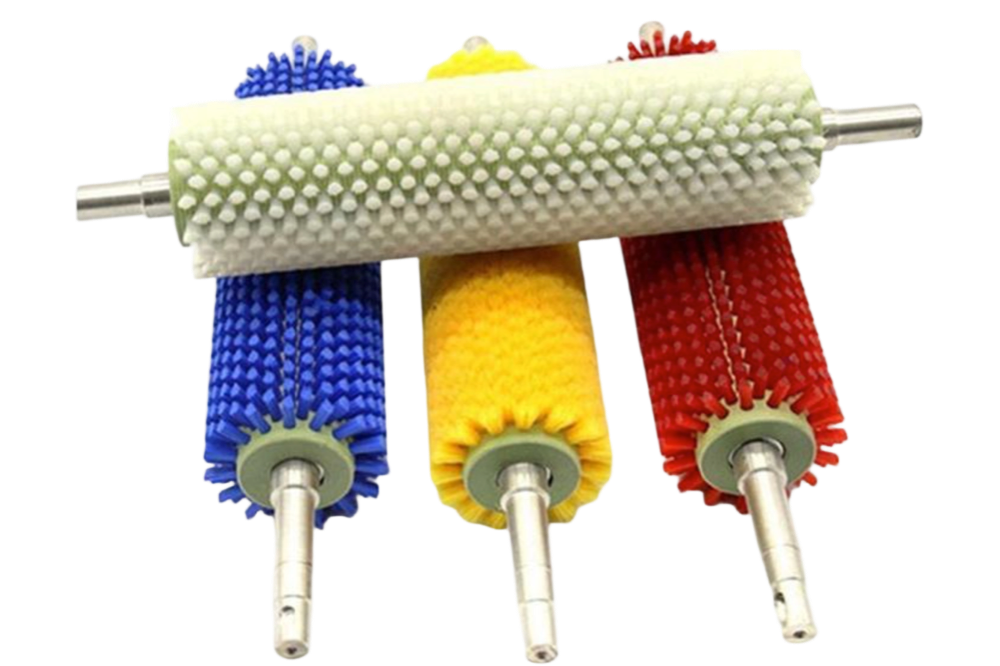
Throughout my observations of the procurement industry, I have noticed that procurement teams do not fully appreciate the significant impact on cleaning results of variables such as bristle stiffness, brush diameter, and filament material. This guide outlines all the different crucial aspects to consider when selecting a fruit cleaning brush for use within an industrial operation.
Brush Types for Cleaning Fruit
Every different brush type is more suitable for different fruits. The shape, size, and sensitivity of the skin of the fruit will determine which brush type will provide the most effective cleaning result without damaging the fruit.
Cylinder Brushes
Automated fruit processing lines employ cylinder-style cleaning brushes for all of their products and are the most common style of brush in these systems. The produce continuously moves over or through a rotating group of brushes, which allows for consistent contact on the produce’s surface. Cylinder brushes are effective for round or oval-shaped fruit, such as apples, oranges, peaches, etc.
Flat or Panel Brushes
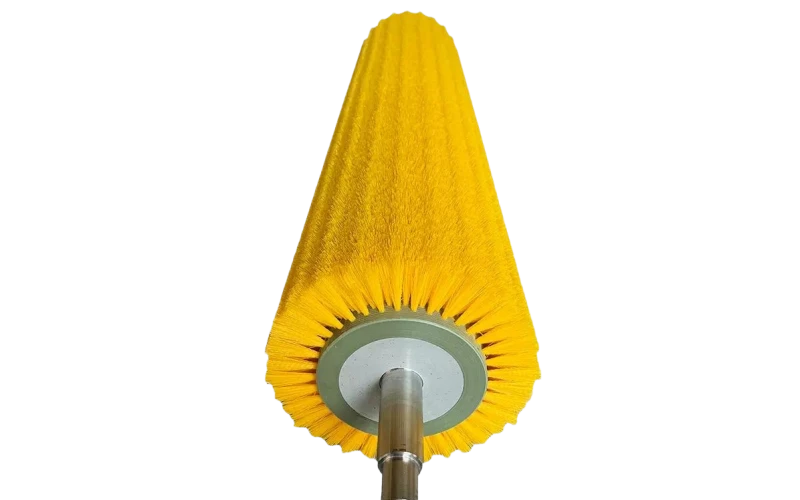
Flat or panel brushes are utilized in a conveyor-type system that uses a conveyor belt to move fruit. The flat brushing action provides a gentle clean to the top of the fruit, but less wrap-around on the sides compared to cylinders.
Disc Brushes
Disc brushes are typically used in spot-cleaning stations or for smaller batch operations. They offer targeted cleaning but lack the throughput capacity of roller-style systems.
Cylinder-style brushes are still considered the best choice for a majority of large volume fruit processing applications. For those investigating further industrial applications, refer to nylon cylinder brush applications for additional context.
Selecting a Fruit Cleaning Brush – Key Factors
Bristle Material
The bristle material is arguably the most significant decision when choosing a fruit cleaning brush. Below is a list of some common bristle materials with corresponding usage examples:
| Bristle Material | Stiffness Level | Best For | Food Safety |
|---|---|---|---|
| Soft nylon (0.15-0.20mm) | Low | Berries, grapes, tomatoes | FDA compliant |
| Medium nylon (0.25-0.40mm) | Medium | Apples, pears, citrus | FDA compliant |
| Stiff nylon (0.50-0.80mm) | High | Root vegetables, melons | FDA compliant |
| PP (Polypropylene) | Low-Medium | General washing | FDA-compliant |
| Sisal (natural fiber) | Medium-High | Waxing, polishing | Food-grade available |
There are several different types of brushes available for use in a fruit processing facility; however, the most commonly used brush type in fruit processing plants is the nylon cylinder brush because it is effective at cleaning, durable enough to withstand extended use, and can be made compliant with food safety regulations. When correctly maintained, nylon is resistant to moisture, dries quickly, and does not provide a breeding ground for bacteria.
Brush Diameter and Length
The diameter and length of the brush must match the equipment used to process fruit and the fruit being processed. Things to consider:
- That larger diameter brushes create more surface contact with the fruit being cleaned for every rotation of the brush
- Brush length should match or slightly exceed the conveyor width
- Smaller fruits require tighter brush spacing to maintain contact
Filament Density and Pattern
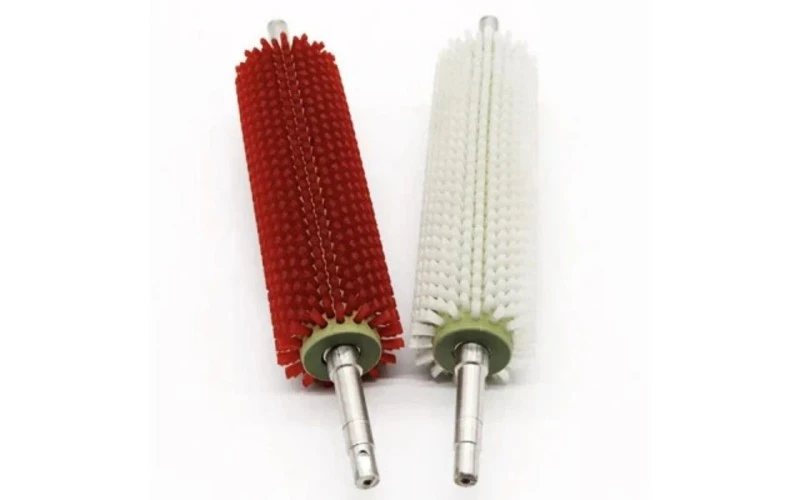
Brushes with higher amounts of bristles will provide a more aggressive way to clean your produce. An example would be how they can deliver a way to clean soft-skinned fruits without bruising them at the same time that they are removing dirt and residue buildup on that produce.
Selecting Brushes to Match the Produce Type
Different types of produce require different types of brushes. For example, a fruit and vegetable brush for cleaning potatoes would ruin a strawberry, while a very soft brush for cleaning grapes will hardly clean the skin of a watermelon.
Produce Category Guidelines:
- Fragile Fruits (Berries, Grapes and Tomatoes) — Use ultra-soft nylon filaments of low density and rotate at low speed.
- Mid-Firm Fruits (Apples, Pears and Peaches) — Use nylon with medium stiffness to clean effectively without damaging the skin or leaving stains.
- Hard Skin Fruits (Melons, Pineapples and Coconuts) — Use bristles with greater stiffness or natural fiber blends to remove large amounts of dirt.
- Root Vegetables Processed on the Same Line — Use a stiffer configuration and higher RPM settings to remove dirt that has embedded into them.
Processing plants that utilize both fruit and vegetable lines frequently utilize modular brush systems able to accommodate fast changeover times. For more info about brushes for cleaning produce, see the overview of fruit cleaning brushes.
Customizable Options Available for B2B Customers
While there are many manufacturers offering off-the-shelf solution for cleaning of fruits and vegetables, in many instances the type of cleaning you need will depend on your specific production requirements and will thus require you to utilize custom designed brushes to meet those demands. As such, when contacting a manufacturer in regard to a custom fruit cleaning brush, you should provide the following:
- Shaft and Equipment Make/Model
- Product Type and Skin Sensitivity
- Operating Speed and Sources of Moisture (Dry/Wet Conditions)
- Desired Brush Life/Replacement Cycle Target
- Food Safety Certifications (FDA; EU 1935/2004)
Based on these criteria, an experienced manufacturer can offer recommendations regarding optimal filament diameter, density and spiral pattern. Customized end caps, shaft material and brush length should guarantee a trouble-free, perfectly matched unit with the existing machine.
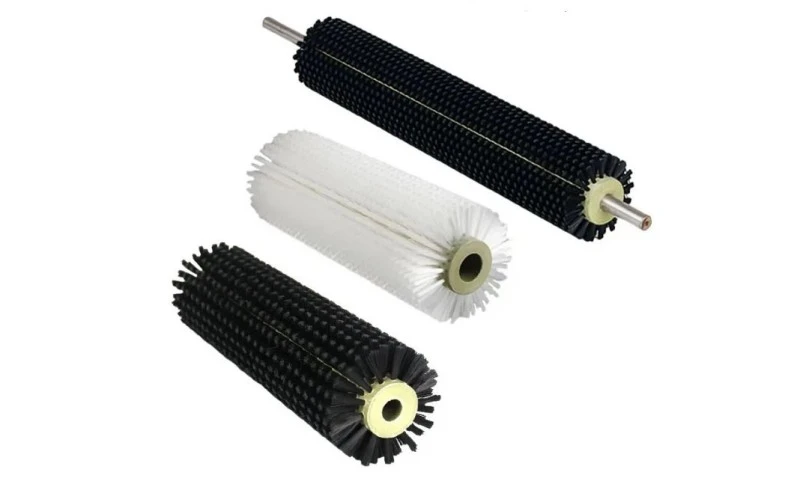
Brushing Your Fruits
To prolong the lifespan of your fruit cleaning brushes, you need to take good care of them. Here are some basic maintenance steps:
- Daily — Rinse brush free of debris and any organic material that may be stuck in between filaments.
- Weekly — Sanitize the brush using a food safe disinfectant.
- Monthly — Inspect brush filaments for wear, flattening and breakage.
- Periodically — Rotate the position of the brush to provide even wear. This should happen about once every six months.
When the tips of the filament start to change shape or lose their stiffness, you will need to replace them. Correctly maintaining brushes will help to prolong the life of your brushes by 30% to 50% in most industrial applications, yielding a significant cost reduction when you have multiple brushes being utilized on your processing line.
Frequently Asked Questions
Q1: Are fruit cleaning brushes available in custom designs to fit my specific processing machines?
Yes! Manufacturers develop custom diameters, lengths, bristle materials, filament densities, and mounting options that will work well with your specific machinery functions allowing for seamless integration between the machinery and the cleaning process.
Q2: What’s the minimum order quantity on wholesale fruit cleaning brushes?
Minimum Order Quantities (MOQ) are different for different manufacturers and depend on the level of customisation you require. Usually, standard sized brushes start with an MOQ of between 10–50 pieces, while custom manufactured brushes will normally require an MOQ of between 50–100 pieces.
Q3: Should I use nylon cylinder brushes to process fruits as well as vegetables?
Absolutely. Nylon cylinder brushes handle both fruit and vegetable cleaning effectively. Adjusting filament stiffness and density accommodates different produce types on the same line.