
Selecting the wrong brush costs more than just money — it wastes production time, damages workpieces, and creates inconsistent surface quality. For manufacturers and procurement teams sourcing brushes at scale, getting the specification right the first time matters enormously.
A cylinder polishing brush serves a wide range of industries, from woodworking and furniture manufacturing to metal fabrication and automotive parts processing. But not every brush fits every job. The filament material, brush dimensions, core construction, and intended surface all influence which product delivers the best result.
This guide walks through the decision-making process step by step, so buyers can match the right brush to their exact application.
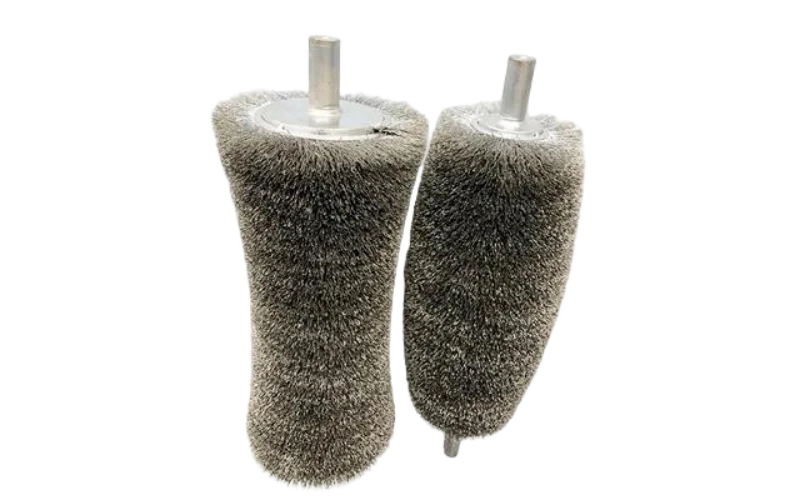
Primary Elements in Selecting a Cylinder Polishing Brush
Three basic factors will determine any brush choice: what is coming into contact with the brush, what it will do, and how quickly the machine operates.
Filament Material
The choice of filament is the most important aspect of the entire process and creates completely different results on the same surface.
- Filaments made of nylon are ideal for light cleaning and minor polishing of softer materials and have many uses in wood and furniture, for example.
- Nylon abrasive filaments – are nylon fibers that have been coated with either silicon carbide or aluminum oxide grit. They are an excellent choice for deburring and conditioning surfaces of both wood and metal.
- Filament of steel wire – are suitable for aggressive removal of material, stripping of heavy rust and cleaning of welds on steel parts.
- Softer brass filaments can polish metals without causing scratches, making them ideal choices for precision metalworking.
In general, if your workpiece is softer, you will need to use a softer filament. The same is true for harder workpieces requiring a much tougher filament. When you mismatch your workpiece and filament, either you will damage your part or there will be little to no visible effect.
Brush Fitting & Travel Dimensions
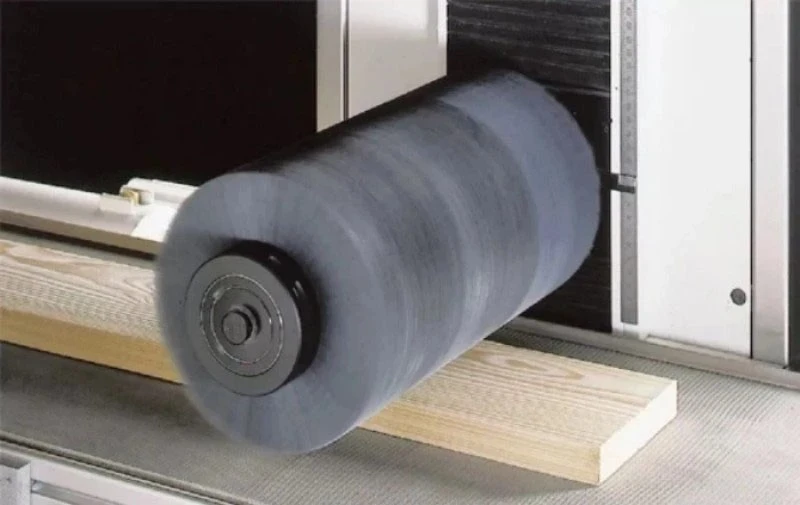
There are three dimensional measurements that determine whether or not a brush will fit your machine and how well it will function:
- Overall diameter – The overall diameter of the brush is the factor that will determine how much contact the brush will have with the workpiece, and it needs to match with the brush chamber in the machine.
- Length of the body: The brush should match the complete working width of your part.
- Inner bore hole: The bore diameter should fit the drive shaft of the machine with no more than 1mm of slop from the drive shaft; otherwise, vibration and uneven wear will develop.
By working with an experienced operator, you will be able to order the proper size of a custom brush for your specific application rather than trying to utilize a standard catalog brush which may or may not fit correctly to your machine.
Core Construction
Under high-speed rotational use of brushes when the final finish is required, the core also creates structural integrity for the brush. The majority of cylinder polishing brush goods use one of the following core types:
| Core Type | Core Material | Core Used For |
|---|---|---|
| Solid tube core | Steel or Aluminum | High Speed Industrial Polishing Lines |
| Channel-Strip Wound | Galvanized Steel | Medium Duty Applications (with easy replacement) |
| Plastic Core | PP or PVC | Light Weight-Low Speed or Water Environments |
Steel tube cores can withstand the most demanding applications and environments while plastic cores should only be used in situations where low weight and corrosion resistant properties are also factors in design criteria.
Match the Brush to Your Application
In addition to understanding the characteristics of the filament material as well as the different sizes and shapes of brushes, the biggest hurdle for any buyer is matching a brush to a particular manufacturing situation. The following are the most common applications and what is needed for each one.
Polishing Wood Surfaces
Cylinder brushes are most commonly used for sanding, smoothing and prepping wood surfaces prior to finishing in woodworking shops. When sanding wood surfaces, it is important to use sisal or abrasive nylon type filaments as they will effectively remove raised grain and fibers from the wood surface without gouging into or tearing the wood.
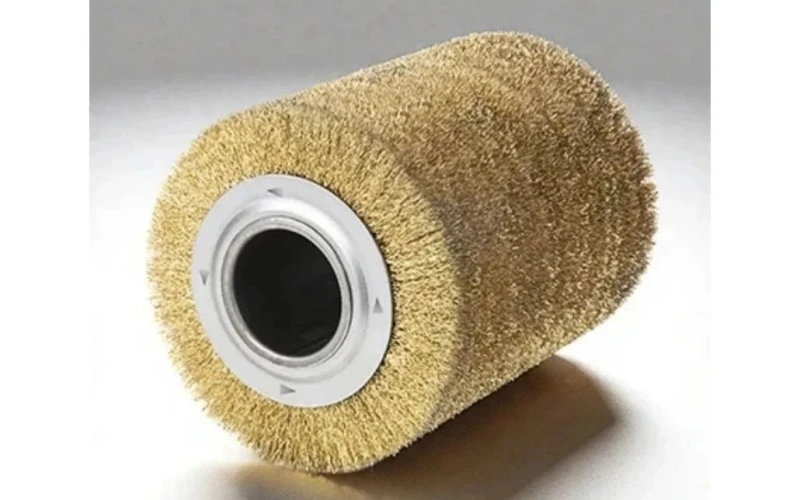
To use a wood-polishing brush effectively, you should apply a moderate amount of pressure while rotating it at a moderate speed. The type of grit you select will depend on what stage of sanding you are at: coarse grits for initial sanding, and fine grits for final finishing. Understanding what a wood polishing brush is will help procurement teams select the proper brush for their application from the beginning.
Metal Surface Treatment
Typically oxide removal, surface conditioning, or pre-paint preparation is part of the metal fabrication process. A metal cylinder brush equipped with steel wire or an abrasive nylon filament works well for performing these functions on flat sheet metal and formed parts.
For removing thicker oxide coatings and/or scale build-up, a crimped or twisted steel wire rust remover brush will provide you with the level of aggressiveness necessary to clean surfaces down to bare metal. Operators that have heavy rust/corrosion issues should consider reviewing what is a rust remover brush, including filament type and performance expectations.
Furniture Finishing
Brushes used in the manufacture of furniture must provide a smooth, defect-free surface prior to finishing with lacquer or stain. Fine abrasive nylon or soft tampico fibers are commonly used on furniture polishing brushes to achieve a smooth and uniform finish without creating swirl marks.
Consistency is required first and foremost in this application; even slight filament irregularities will be visible under a clear coat. If buyers are sourcing brushes for their furniture product lines, they should consider exploring what type of furniture polishing brush is used and how those materials and grit combinations perform.
Mistakes Made When Selecting Tools
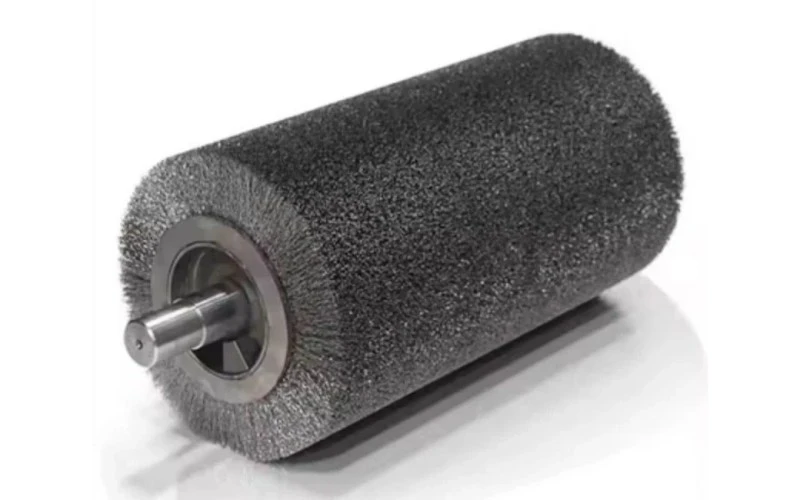
According to industry experts, these mistakes appear repeatedly:
- Choosing by cheapness — A lower-cost brush can frequently require replacing sooner than a more expensive one; thus ultimately costing more money total per hour worked.
- Filament density/Spacing the length of unbrushed filament from end of brush — A brush with too few filament(s) in a row will produce streak marks on the surface to which you are applying it.
- Using a brush for rough stripping and fine finishing is not practical; therefore, have a separate brush for each process or use several different types of brushes to complete your work.
- Test a sample brush before placing your bulk order (if you can). Many times the surface quality of the materials used will differ from what is stated on the spec sheet.
Frequently Asked Questions
Q1: Can I customize my cylinder polishing brush for an unusual machine?
Yes, most qualified manufacturers provide custom diameters, lengths, bores (diameter), and choice of filaments. This ensures that you can find an exact match between your brush and your machine regardless of which model you are using.
Q2: What’s the standard minimum order quantity for wholesale purchases?
The minimum order quantity varies by supplier and extent of customisation, but typically they’ll accept orders for 10–50 pieces (often offering better prices for higher volume).
Q3: How do buyers choose the appropriate filament grit for their application?
First establish the workpiece material and the type of surface finish required. Rough preparation work should use a coarse grit; while finishing or final polishing operations would require a finer grit.