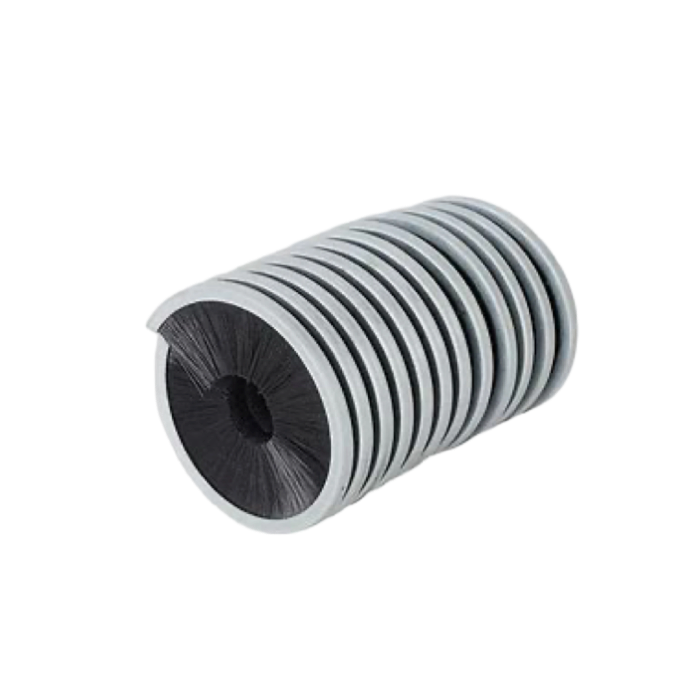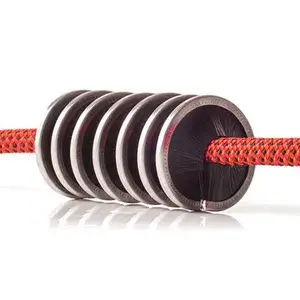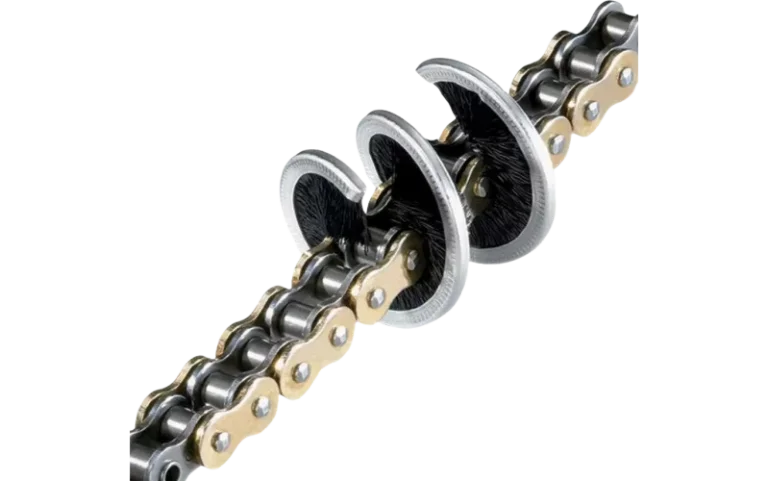
To achieve good performance from a cleaning system, it is essential to choose the correct 360 chain brush. Coil-style brushes consist of filaments wrapped around a continuous wire core and provide full-surface contact with the inside of tubes, pipes, or other cylindrical components; selecting brushes that are not properly specified can result in poor cleaning, excessive wear, and/or damage to the workpiece.
In this guide, we will break down the important selection factors (materials, size, environment, and application) in order for both procurement teams and engineers to be able to specify the right brush type with confidence.
What Makes A 360 Chain Brush Different From Other Types of Brushes
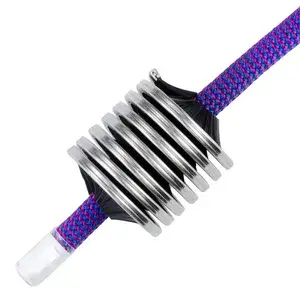
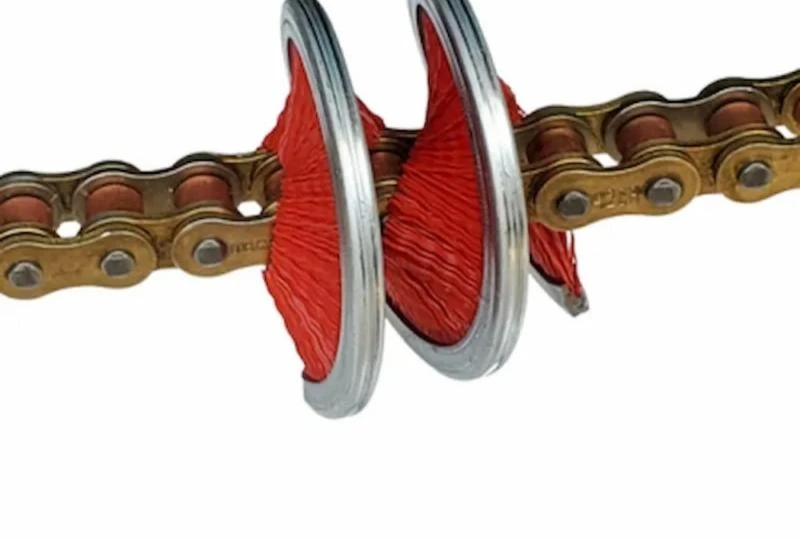
The 360 chain brush has bristles that radiate out from a single central axis, which is in the form of a spiral wire, creating a 360-degree shape. The radiated bristles of a 360-degree chain brush provide complete contact along the full inner circumference of a tube or bore without needing to rely on a rotation mechanism; the brush produces a uniform cleaning effect just by passing through the tube or bore.
Many experienced technicians like to use this style of brush for internal deburring and removing debris from their workpieces. Since these brushes self-center on the workpiece, they save considerable time because there is no need to worry about aligning the brush before using it. Because of the continuous coil design, it also allows the user to cut the 360 chain brush to the desired length from an existing coil, which will also reduce waste and provide a better way to manage your inventory.
For more detail regarding how these internal brushes work, refer to the article on what’s inside a coil brush.
When It Comes Time to Choose a 360 Chain Brush
Here are some important factors to consider:
Filament Material
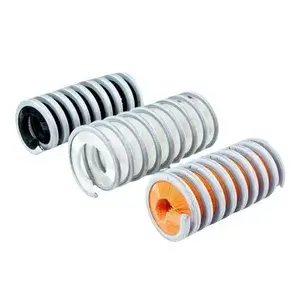
Brush performance is greatly affected by the selection of materials. The type of filament used in a brush will influence what type of job can best be performed with that brush.
- Nylon filaments are ideal for light cleaning, polishing, and jobs that require an abrasive-free contact.
- Brass filaments work well for moderate deposits, and they do not damage softer metal surfaces.
- Steel filaments are used for heavy deburring of metals, rust removal, and heavy cleaning of thick accumulations or surface deposits on other metal surfaces.
Refer to the guide supplying information regarding nylon coil brush usage that details when nylon will outperform any other type of filament for a coil brush in sensitive (or food processing-type) applications.
Coil Diameter and Pitch
Two measurements will define the interaction of a coil cleaning brush with your workpiece:
- Outer Diameter (OD) – The outer diameter must be marginally larger than the inner diameter of the bore (ID) to ensure continual force on the filament.
- Coil pitch – By selecting a tighter pitch, you’ll create more filament density so that it will provide for a finer clean; a wider pitch will work best for the removal of bulk debris.
Whenever possible, choose an OD that is approximately 10% to 20% larger than the tube inner diameter (ID). This will allow for good contact pressure without being too much force to distort the coil.
Operating Environment
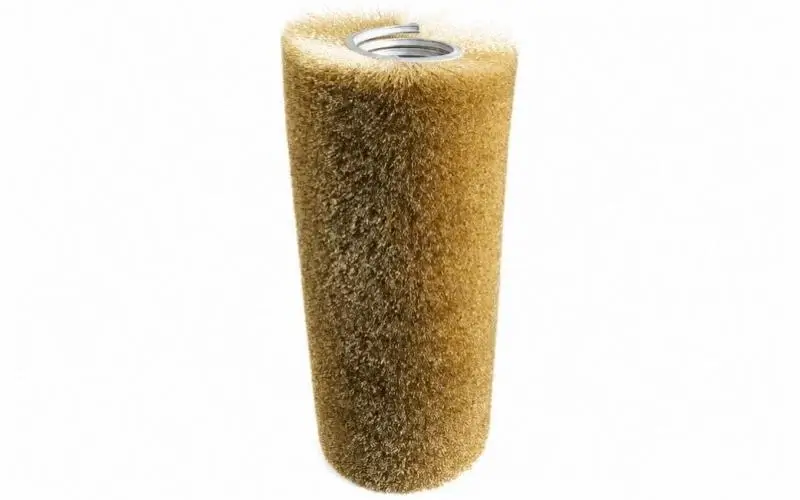
Environmental conditions can greatly limit your options of materials for use.
- If you are operating in high heat situations (greater than 120 degrees C), then standard nylon materials are out.
- You may also want to consider using either polypropylene or stainless steel if you are going to encounter chemical attacks (by acids or solvents).
- Corrosion-resistant materials, such as brass or stainless steel wire, thrive in moist conditions.
Environmental conditions can lead to filament failure early on. Some will exhibit failure days after being installed.
Material Comparison Table
| Factor | Nylon Coil Brush | Brass Coil Brush | Steel Coil Brush |
|---|---|---|---|
| Aggressiveness | Low | Medium | High |
| Best for | Polishing and cleaning | Soft metals (de-scaling) | Heavy removal of rust/scaly materials |
| Max temperature limit | ~120°C | ~250°C | ~300°C+ |
| Corrosion resistance | High | Moderate | Low (Stainless: High) |
| Surface risk | No damage | Minimal damage | May scratch soft metals |
| Typical Application | Food, Electronics | Plumbing, HVAC | Automotive, Heavy Manufacturing |
This information helps the buyer match a brush specification to all necessary components of their inside coil brush application.
Types of Coil Brush Applications
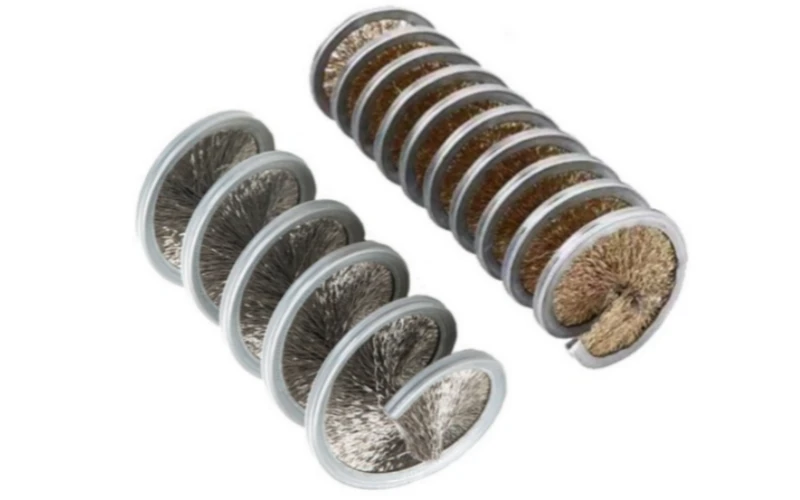
The 360 chain brush has many different types of applications for many different industries, including but not limited to:
Tube & Pipe Cleaning
Heat exchangers, hydraulic pipes, and condenser tubes collect scale and deposits on the inside walls that decrease thermal efficiency; therefore, it is necessary to have a correctly sized coil brush to restore flow capacity without destroying the tube wall.
Deburring and Bore Finishing
Once machined, burrs and metal chips usually remain in the cylinder bore. Removal of these imperfections is accomplished with steel wire coil brushes, which prepare surfaces for subsequent assembly or coating.
Firearms and Barrel Maintenance
Bore cleaning in firearms maintenance is traditionally accomplished with brass or bronze coil brushes since they are soft enough to not damage the rifling and will adequately clean carbon and copper deposits.
Cleaning Oven/Industrial Duct
In exhaust ducts and ovens, grease and other particles build up inside. Scheduled maintenance cycles allow for these grease-filled areas to be cleaned using heat-resistant coil brushes.
Finalizing Your Specification
There is a sequence that buyers must follow before ordering:
- Measure the internal diameter of the target tube or bore.
- Identify what type of residue must be cleaned from the material to which the brush will be attached.
- Select the appropriate filament material based upon the aggressive nature and the environment in which the brush will be used.
- Determine the minimum length of the brush needed or buy the length of material prior to cutting it down to an appropriate size for your needs.
- Determine the material composition of the wire core—using galvanized steel as the default metal or stainless steel in situations where corrosiveness is involved.
- Verify with your supplier if a 360 chain brush is acceptable for motorized or manual usage.
It is common for many industrial customers to purchase an initial quantity of sample length before placing a larger order, to reduce the risk of purchasing product that does not fit or function for an application for which they have not yet determined the residue’s hardness.
Why Coil Construction Matters for Longevity
Cost-effective coil cleaning brushes are unable to deliver the same durability and filament retention as their higher-priced counterparts. The wire core of a coil cleaning brush must provide enough resistance to hold the filaments securely where they are retained under repetitive compression and stretching. Loose filaments that happen to come free fall into the workpiece, causing contamination instead of removing it.
Reliable brush production results from manufacturers applying consistent coil tension and uniform filament trim during manufacture. Brushes made by these manufacturers will consistently give predictable results through hundreds of cycles. Reliability of brush performance in an automated system is crucial because when a brush has to be replaced, it disrupts the production schedule.
Frequently Asked Questions
Are manufacturers able to make adjustments to the length of 360 chain brushes based on their needs?
Many suppliers supply coil brushes in continuous spools that can be cut to size. Most suppliers provide a variety of options for custom outer diameter (OD), pitch, and brush filament material. Therefore, manufacturers can order 360 chain brushes with specific sizes for any type or size of tube or bore.
What is the Minimum Order Quantity for bulk coil brush orders?
The Minimum Order Quantity for coil brushes varies by supplier and item specifications. Generally, standard sizes or custom sizes will have stock and be able to ship in shorter time frames, while other custom filament patterns or diameters may have a minimum order quantity of 50–100 meters.
Which coil brush material should I use for cleaning stainless steel tubing?
The best filaments for cleaning stainless steel tubing are either nylon or stainless steel filaments. Brass will leave contamination due to the fact that it will wear down and leave brass debris. Further, using carbon steel filaments may also introduce contaminants that would cause corrosion on the surface of stainless steel.