Understanding Conveying Industrial Brushes in Grading Operations
The Role of Conveying Industrial Brushes in Grading Operations
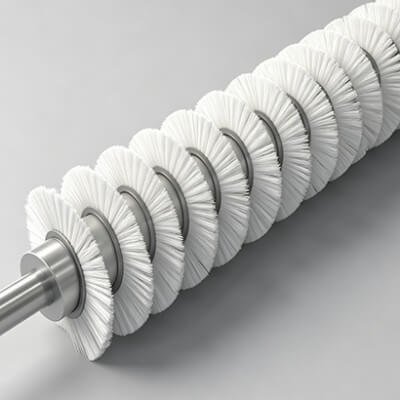
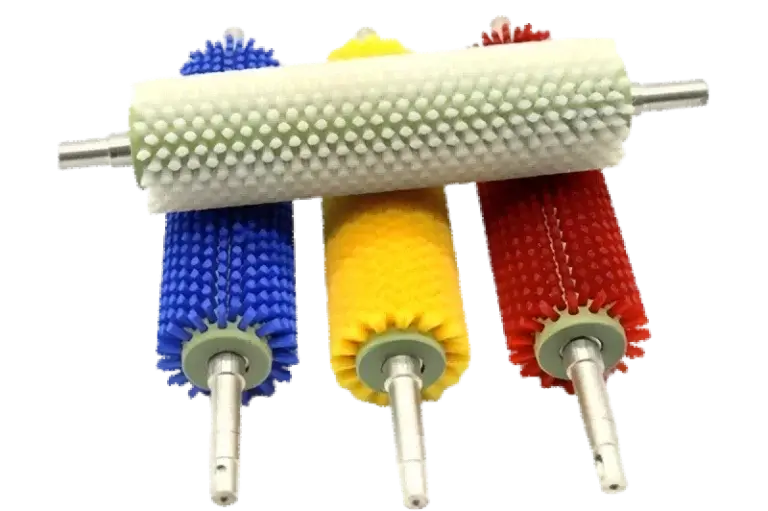
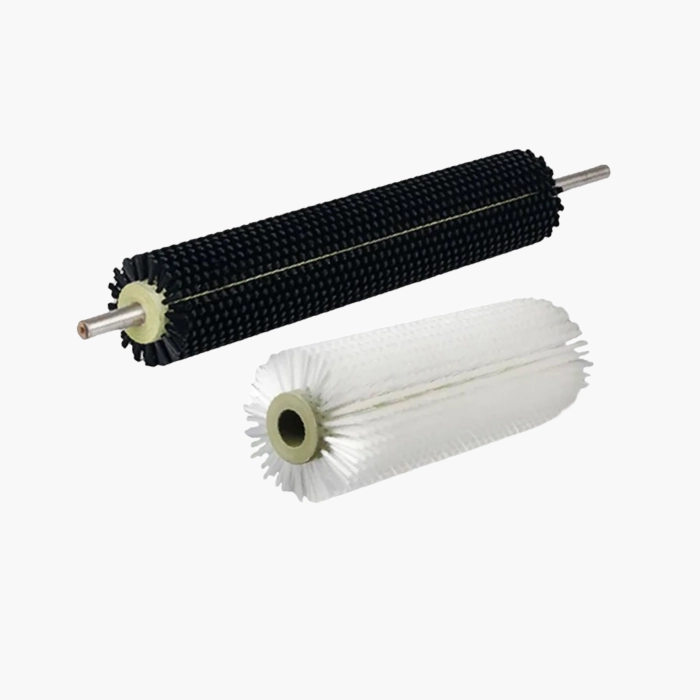
Food-processing, agricultural, and manufacturing facilities depend on properly configured conveying industrial brushes to maintain product quality and keep grading lines running efficiently. These specialized rollers guide products under controlled conditions, cleaning surfaces along the way and removing contaminants that could affect sorting accuracy.
How Brush Spacing Affects Product Flow
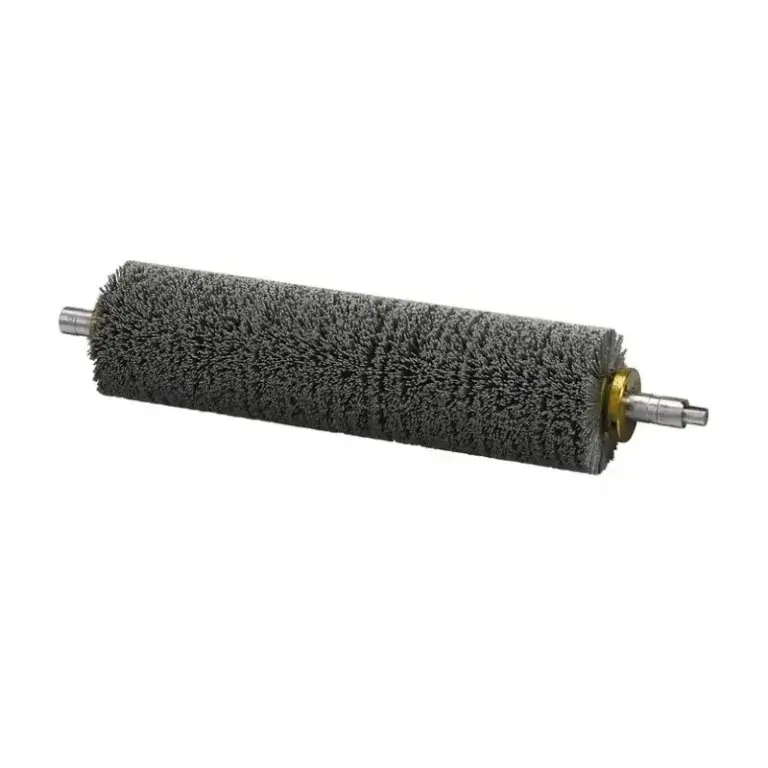
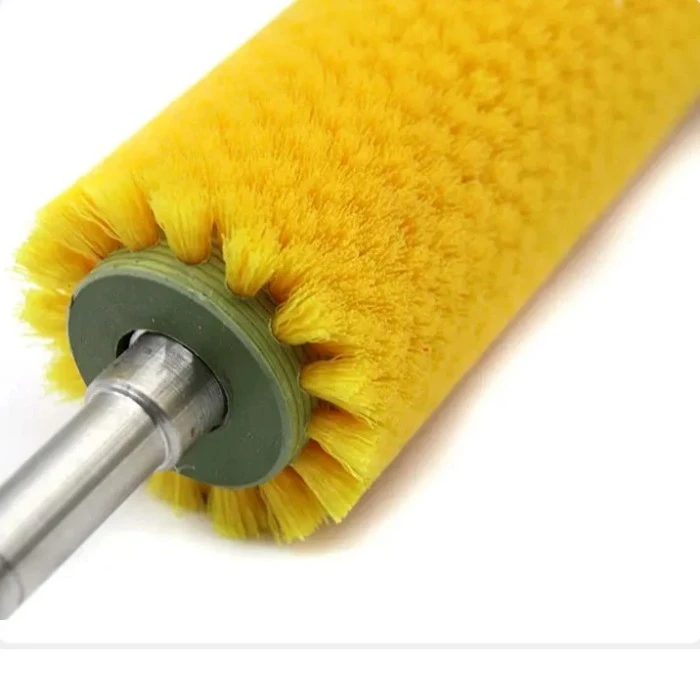
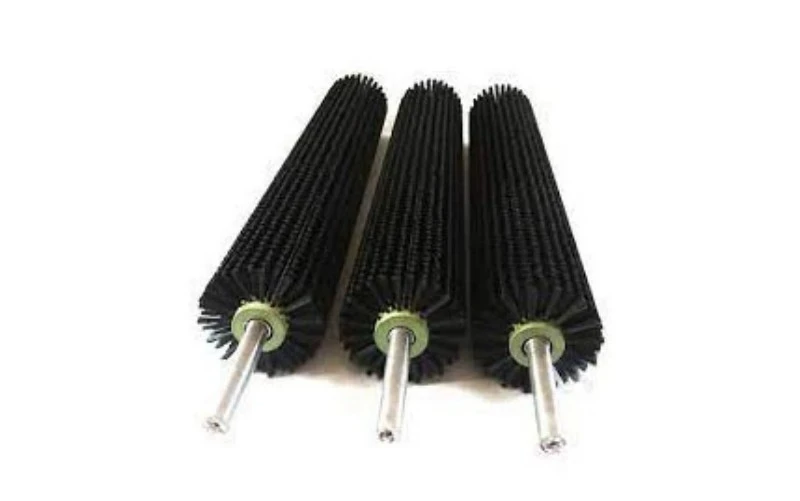
The distance between individual brush rollers directly affects how products move along the line. When Cylinder Rotary Brush units are positioned too closely, items may become trapped or damaged. Excessive spacing creates a different problem: smaller products can fall through, and the advancement rate may become inconsistent. Effective grading systems generally maintain a 50- 150 mm gap, with the precise distance determined by the size and material characteristics of the products being processed.
Rotation Speed and Direction Considerations
Rotation settings influence both a product’s movement and the quality of cleaning it receives. Conveying industrial brushes typically operate between 30 and 120 RPM. The right speed depends on several factors: the product’s fragility and surface sensitivity, the required throughput, the type and rate of contamination buildup, and how closely the brush must match the belt speed.
The brushes face opposite directions, causing the products to “walk” through the setup. As the brushes rotate and advance slowly, different sides of each item come into view for inspection. The arrangement works particularly well for irregularly shaped products, such as potatoes, citrus fruits, and small manufactured components.
Coordinating Brush Movement with Belt Systems
When Conveyor Belt Cleaning Brushes are added to an existing system, their timing and rotational speed require careful attention. The brush should move at the same peripheral speed as the belt, or just a little faster; if it does not, products can back up. Many facilities rely on variable frequency drives to change the rotation speed in real time as production demands shift.
Material Selection for Different Applications
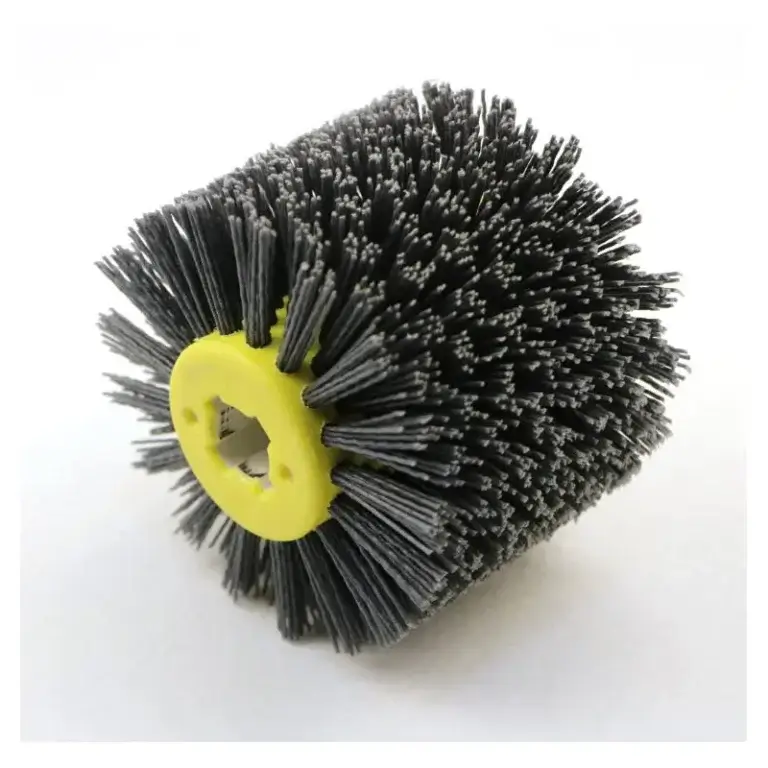
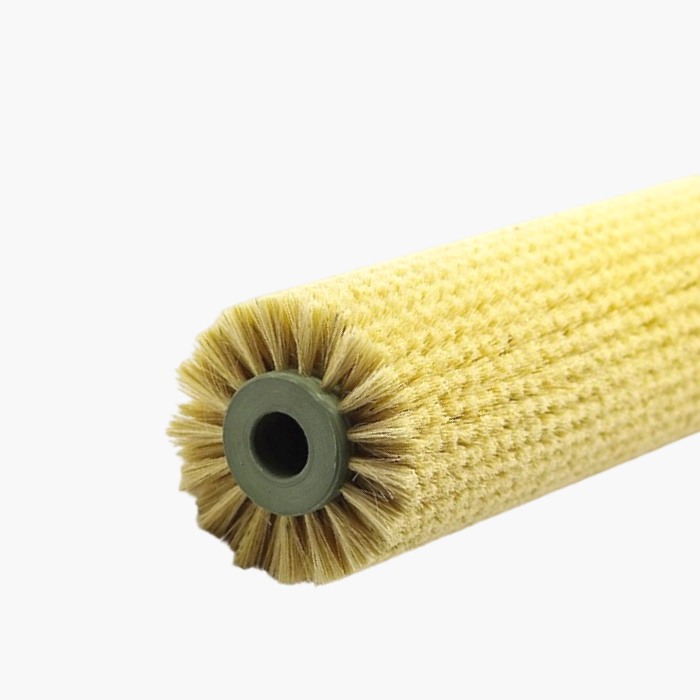
Nylon Cylinder Brush configurations are widely used in grading-line applications. Nylon offers durability and chemical resistance while maintaining gentle contact. Its performance remains consistent through the temperature fluctuations common in processing environments, which generally range from -10°C to 80°C.
Some applications require particular brush materials:
- Stainless steel wire for removing heavy debris
- Natural tampico for delicate product surfaces
- Abrasion-resistant polymers for harsh conditions where a longer service life is needed
Installation Geometry and Product Flow Dynamics
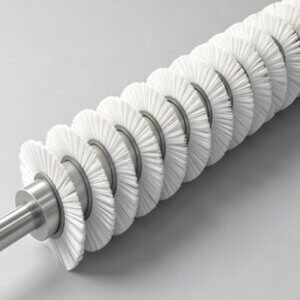
The angle at which conveying industrial brushes enter the product stream strongly affects grading efficiency. Brush rollers are generally installed with a slight incline of 3–7 degrees. This allows the product to move forward naturally while helping prevent buildup at transition points.
Engineers must account for brush compression during operation as well. Bristle wear gradually reduces the effective diameter, which alters spacing relationships and rotation characteristics. Regular measurements help maintenance teams anticipate adjustments or replacements before they are needed.
Maintenance Protocols for Sustained Performance
Reliable grading performance depends on consistent brush maintenance. Daily visual inspections can reveal obvious damage or accumulated contamination
Daily and Weekly Maintenance Routines
Daily visual inspections can reveal obvious damage or accumulated contamination, while weekly cleaning helps maintain bristle flexibility and efficient rotation.
Cylinder Rotary Brush assemblies require several routine maintenance tasks:
- Trim the bristles according to schedule so they remain uniform in length.
- Lubricate the bearings at the intervals set by the manufacturer.
- Clear debris from the mounting brackets and drive components.
- On belt-driven systems, inspect the belt tension.
Consequences of Neglecting Brush Maintenance
Neglecting these steps can lead to a quicker decline in performance. Bristles that wear unevenly may create high spots and damage products. Debris buildup reduces cleaning effectiveness and places additional load on the motor.
Integration with Automated Grading Systems
Modern grading lines increasingly combine sensor arrays with conveying industrial brushes to sort products precisely. As items move along the line, the brushes control their orientation and spacing, giving optical sensors, weight scales, and dimensional scanners a consistent view of each one.
The system relies on precise timing between the brush’s rotation and the sensor’s trigger points. In more advanced setups, servo motors coordinate the brush assemblies and imaging equipment to the microsecond, so the system can capture the most useful inspection angles.
Improving Energy Efficiency
When Conveyor Belt Cleaning Brushes are installed correctly, they can reduce energy use by clearing away debris and limiting friction. Buildup on the material makes conveyor motors work harder, while a clean belt lets products move with little resistance.
Studies of food-processing facilities indicate that properly maintained brush systems can reduce conveyor energy consumption by 8–15% compared with lines whose cleaning components have been neglected. The savings become more substantial as production volumes rise.
Troubleshooting Common Performance Issues
When grading lines show reduced throughput or product damage, the brush configuration may be responsible. A systematic inspection should begin with the relationship between adjacent brush pairs: their rotation needs to remain synchronized.
Operators should also check the bristles at each conveying position, along with spacing that remains consistent despite vibration or equipment adjustments. Drive-system tension matters as well, since it can affect how evenly the brushes rotate.
In many cases, correcting these conditions restores performance without requiring a full system redesign. The issue is often a gradual change in operating parameters rather than a fundamental configuration error.
Frequently Asked Questions
Q: What spacing tends to work best between brush rollers on potato grading lines?
A: In most potato operations, rollers are set 80- 120 mm apart, while the brushes turn in opposite directions at 45-60 RPM. The arrangement removes debris effectively without rough handling.
Q: How often do high-volume facilities need to replace conveying brushes?
A: Timing varies by application. In general, replacement is needed every 6–18 months, although product abrasiveness and operating hours can move that interval.
Q: Can adjustable brush spacing be added to existing grading lines?
A: Yes. Modular mounting systems allow the spacing to be changed within the design limits. If the adjustment is substantial, the support frames may also need to be modified.