
The wrong brush would damage the solar panels. The bristles of the right brush should have the same hardness as the actual soil on the surface because dust, mud, and dried bird droppings all need such differentiation. This guide will explain how the type of soil will determine the selection of the brush, why lightweight PP construction is preferable to heavier alternatives, and how modular brush heads can cut procurement spending.
Three Core Advantages of a Professional Solar Panel Cleaning Brush
Most of the damage to the panels during maintenance is from the cleaner, not the dirt. A good Solar Panel Cleaning Brush should take care of three issues at once: it should match the stiffness of the bristles to the level of contamination, thereby reducing fatigue on the part of the operator since it is constructed in a light manner, and reducing equipment costs since it has a modular brush head system.
Match Bristle Hardness to Soil Type — Preventing Panel Scratches
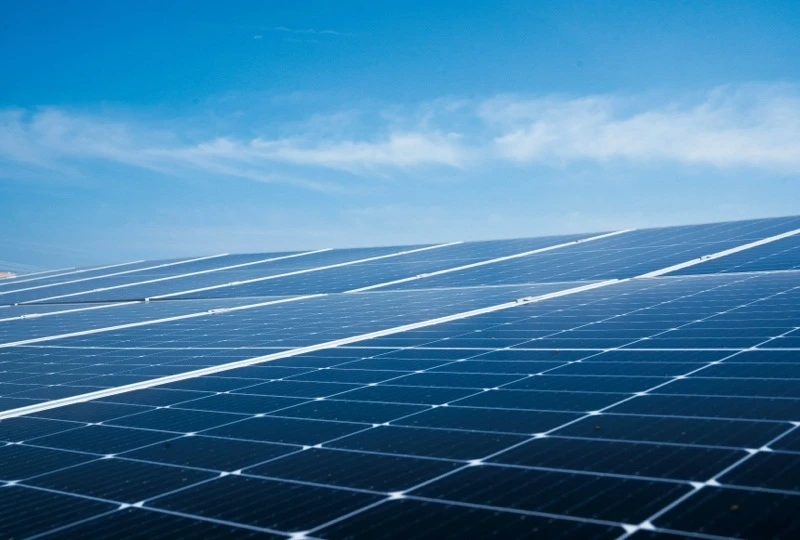
Bristle hardness should be matched with different soil types. For example, using a hard brush on light dust could leave micro-scratches on the glass coating. The energy output would then be permanently reduced. This is what experienced cleaning teams do in matching the bristle to the soil; it’s an art.
- Light dust and pollen: Gentle nylon bristles will move across the surface without any force. A Nylon Solar Panel Cleaning Brush should do it — to gather all loose particles in one sweep. Look at our line of nylon cylinder brushes to choose the type of filaments you want.
- Mud and wet residue: Use bristles made of a mixture of medium-stiffness fibers—soft enough not to damage the paint, but with good friction for lifting sticky deposits without gouging the panel.
- Dried bird droppings and hardened grime: Use stiffer bristles with mixed fibers to break down crusted dirt. This one will require a little more rubbing, but the shape of the bristles will take care of the anti-reflective coating.
The bristle specifications are very detailed in our complete guide to the custom specifications for Solar Panel Cleaning Brush.
Lightweight PP Construction Saves Time and Labor
The bristles matter. But for someone who has to hold a brush for eight hours a day, what matters most is the weight of the brush and how well it is balanced.
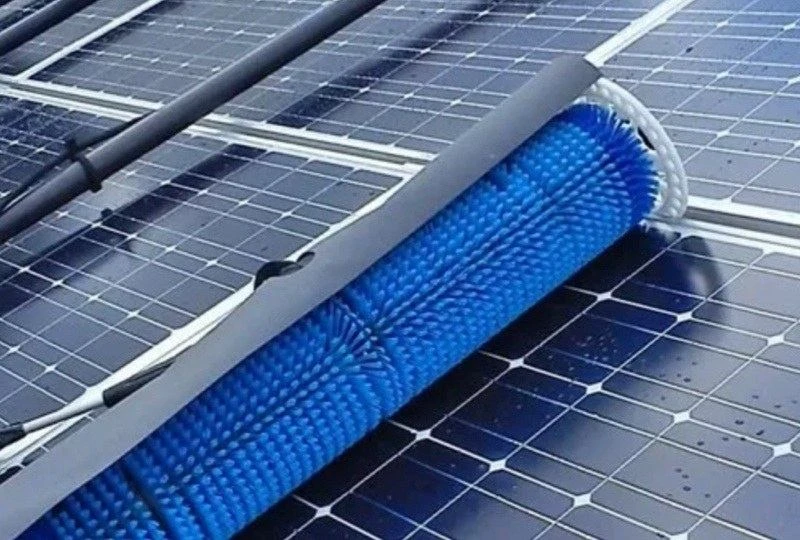
Polypropylene bristle materials give a clear advantage over denser fibers. Brushes made of polypropylene weigh significantly less, so operators can clean more panels per shift without the fatigue that leads to excessive downward pressure, which, in turn, causes scratches.
Reduced Fatigue, Faster Cleaning
The lighter brush weight reduces strain on the worker’s arms and shoulders — so it’s less tiring to use throughout the shift. Operators can maintain consistent, gentle pressure on every panel. This will boost the speed of the cleaning process, since workers will require fewer rest breaks.
An Industrial Solar Panel Cleaning Brush made with a PP brush body can adapt to various types of soiling conditions without needing excessive force.
Labor Cost Savings You Can Measure
Compared to thick, dense-fiber options, PP construction saves noticeable labor costs over each cleaning cycle. This is a point the teams installing large-scale ground-mount or rooftop arrays would come to appreciate within the first hour. Check out the key features of the designs of Solar Panel Cleaning Brush to learn more about their performance.
Custom Multi-Size Brush Heads — No Extra Poles Needed
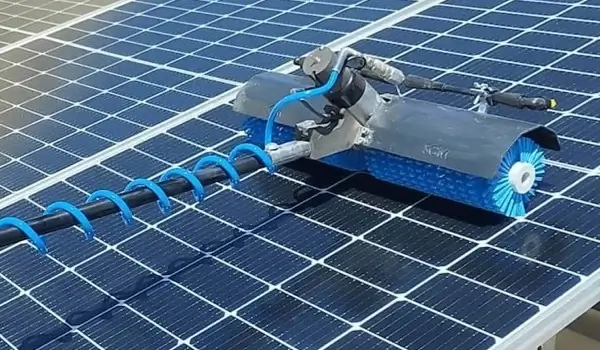
Buying a whole brush-and-pole set for each job isn’t great for the budget. We’d rather get custom brush heads — different sizes, different bristle grades — that fit one standard pole. The table below indicates the head sizes that are recommended for typical types of installations:
| Brush Head Size | Best Application | Recommended Bristle Type |
| 35 cm | Small residential modules | Soft nylon |
| 60 cm | Medium commercial rooftop arrays | Medium mixed fiber |
| 100 cm | Large ground-mount solar farms | Firm mixed fiber / PP base mixed fiber bristles |
The modular system will enable one cleaning team to use a small kit instead of many full-length tools. A brush head can be changed in a few seconds, reducing procurement costs and storage space – and also cutting on-site setup time. For operations managers who prefer detailed specifications, there is a guide on selecting a Solar Panel Cleaning Brush for their fleet.
Standard Brush vs. Pro-Grade Options
Most facilities use generic scrub brushes or household tools on solar panels. Below is a comparison that shows why purpose-built options deliver much better results.
Bristle Hardness, Weight, and Scratching Risks
Regular brushes offer one choice of bristle hardness; pro versions offer soft, medium, firm, or mixed. The first is generally heavy because it’s made with thick fiber, while the latter is lightweight because it’s made with PP or nylon. The first has high scratching risks since its bristles aren’t graded; the latter has low scratching risks because its bristles are matched to the type of soil. The standard size range is 35 cm to 100 cm+ custom for pro Solar Panel Cleaning Brush products but limited for standard brushes.
Pole Compatibility, Cost Efficiency, and Automation Readiness
Compatibility of poles varies— mostly, they come in proprietary, universal, or custom-fit adapters. Standard brushes do not offer low-cost efficiency due to frequent replacement; professional-grade alternatives, with their modular and long-lasting design, provide significantly higher cost efficiency over time. Professional-grade brushes, for example, those designed for Rotary Brush Solar Panel Cleaning systems, spread contact uniformly over the glass surface. This gets rid of the high-spot pressure that generic brushes are known to have.
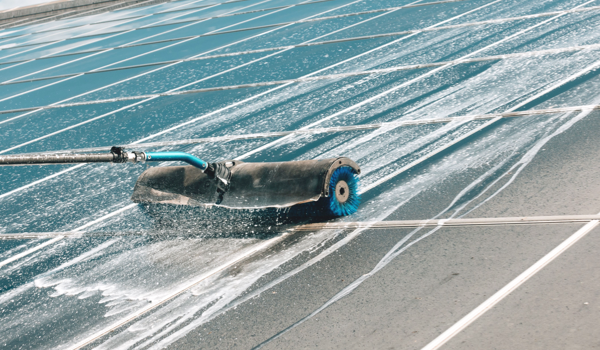
A tufted cylinder brush can be directly integrated into rotary cleaning rigs for large-scale automated or semi-automated operations. This will ensure that the results are as good as cleaning thousands of panels per day. Visit the application page Solar Panel Cleaning Brush to see compatible configurations.
FAQ
Can one brush head clean all types of dirt on a solar farm?
No, it can’t. Soft bristles would be needed for light dust, and bristles of medium firmness would be needed for dried grime. In an economical approach, two or three grades of bristles can be ordered to cover most field conditions.
How Often Should Cleaning Teams Replace Solar Panel Brush Heads?
Under normal use, most of the PP and nylon brush heads will last for 6-12 months. Bristle tip inspection should be done once every month. If the tips appear frayed or flattened, it will reduce the efficacy of cleaning and increase the risk of scratches.
Do I need different brush heads for different seasons?
Yes. The dry season would require soft nylon just to kick up the dust; the wet season would need medium-firm mixed fibers to slog through the mud. Instead of whole brush purchases, buy heads modular so you can switch them in seconds — perfect for the seasons, at no extra cost.