
Not every brush is made the same—and in industrial environments, that difference matters more than many buyers realize. Metal Cylinder Brushes are used in a wide variety of manufacturing processes, from heavy-duty rust and scale removal to fine, precision surface finishing. But the gap between a brush that works dependably and one that breaks down within weeks often comes down to whether its specifications truly fit the job.
For manufacturers buying brushes in volume, learning what can be customized—and why it makes a difference—is the first step toward smarter purchasing decisions. Before diving into specifics, it is essential to understand what is metal cylinder brush and how its core architecture supports various mechanical functions.
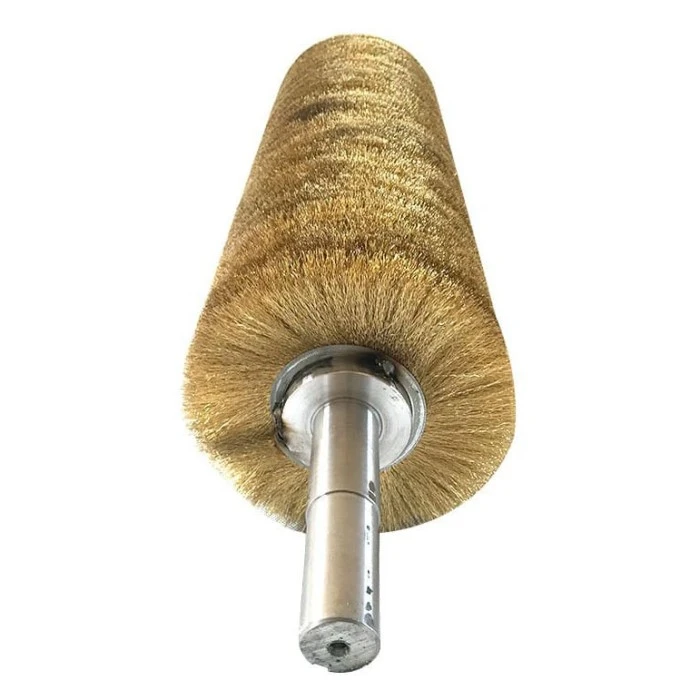
Why Off-the-Shelf Brushes Often Fall Short
Standard brushes work well for general tasks, but industrial production lines rarely run on “general” terms. A furniture manufacturer finishing hardwood panels has vastly different requirements than a steel fabricator removing mill scale. When a standard brush fails to deliver consistent results—or wears out too quickly—a custom cylinder brush is usually the necessary answer.
Experienced procurement teams know that investing in a custom brush upfront often reduces the total cost of ownership. Fewer replacements, better finish quality, and less machine downtime all add up to significant savings. To make an informed choice, engineers must first select a metal cylinder brush based on the specific rigors of their application.
Specification 1: Filament Material
Filament material is the single most impactful variable in brush performance. The wrong choice leads to poor results regardless of how well the rest of the brush is configured. Different environments require specific chemical and physical resistances.
| Filament Type | Recommended Application | Key Advantage |
| Carbon Steel Wire | Heavy rust and scale removal | High abrasion, cost-effective |
| Stainless Steel Wire | Food processing, corrosion-sensitive | Rust-resistant, hygienic |
| Brass Wire | Soft metal polishing, non-sparking | Gentle action, spark-free |
| Abrasive Nylon | Wood and furniture surface finishing | Flexible, low surface damage |
| Crimped Wire | Deburring, edge blending | Consistent contact pressure |
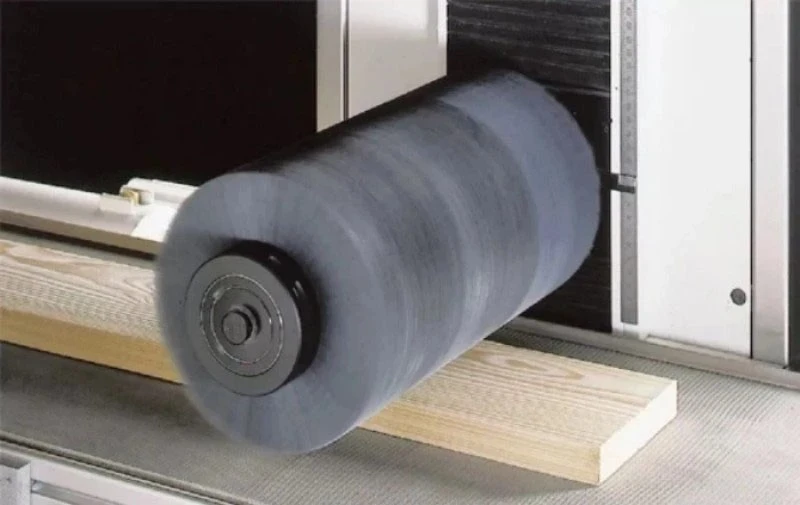
For instance, a high-performance rust removal brush typically utilizes carbon steel wire to deliver the aggressive abrasion needed to strip oxidation. Conversely, achieving a high-end finish on timber requires a specialized furniture polishing brush often made with abrasive nylon to avoid gouging the wood grain.
Specification 2: Filament Diameter
Filament diameter controls how stiff or flexible the brush action is. Thicker wire provides more aggressive cutting power for deburring and heavy cleaning. Thinner wire offers gentler, more controlled contact for delicate finishing.
In practice, operators working with hardwood panels often find that a slightly finer filament diameter produces a smoother finish—particularly when the goal is to open the wood grain without tearing it. Understanding what is furniture polishing brush specifications helps buyers realize that fine-diameter filaments consistently outperform coarser alternatives on high-value wood species. For heavy-duty metal cleaning, however, thicker filaments are required to hold up under sustained pressure and high rotation speeds.
Specification 3: Brush Density
Density describes how many filaments are packed into the core. A higher density provides more contact points with each rotation, leading to a finer, more consistent surface finish. In contrast, a lower density allows each filament to move more freely, which is especially helpful when cleaning irregular or contoured surfaces.
When analyzing the industrial applications for cylinder brushes, density is often the factor that makes the difference between a “good” result and an “outstanding” one. High-density brushes provide a “wall” of wire that is ideal for flat surface scrubbing, while lower-density patterns allow for better debris clearance in wet or oily environments.
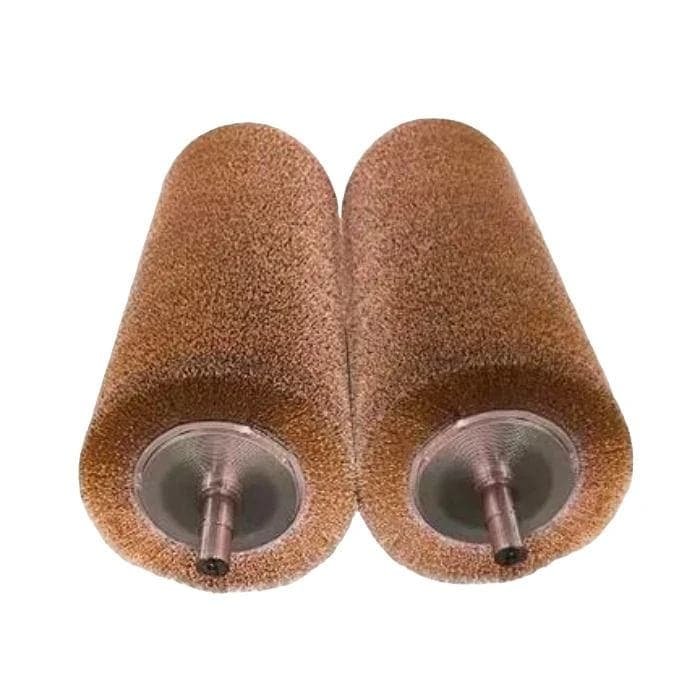
Specification 4: Core Diameter and Length
The core is the structural backbone of the Metal Cylinder Brushes. Getting the dimensions wrong means the brush simply won’t fit the machine—or worse, it fits but runs with excessive vibration that damages bearings.
Key considerations when specifying core dimensions include:
- Bore Diameter: Must match the machine shaft precisely to prevent slipping.
- Face Length: Must align with the working width of the production line.
- Mounting Style: Options include keyways, set screws, or internal splines for power transmission.
Custom core sizing is especially important when retrofitting brushes into older equipment where standard dimensions may not apply. Seeking custom solutions ensures that the mechanical interface between the brush and the drive system is seamless and vibration-free.
Specification 5: Trim Length
Trim length—the exposed length of the filament from the core to the tip—affects both aggressiveness and flexibility.
- Shorter Trim: Produces a stiffer, more aggressive brush action. It is ideal for high-pressure tasks.
- Longer Trim: Allows the filaments to flex more, which is better for following surface contours and reaching into recessed areas.
For a rust removal brush running on flat steel sheets, a shorter trim length delivers more consistent abrasion. For a wood finishing application where the brush needs to reach into carved details, a longer trim length is often preferred.
Strategic Sourcing for Industrial Buyers
When moving from concept to production, professional manufacturers provide more than just a product; they provide engineering support. To ensure the best results with Metal Cylinder Brushes, buyers should follow these steps:
- Provide Machine Specs: Include shaft diameter, maximum RPM, and available space.
- Define the Substrate: Clarify if the brush is working on steel, aluminum, hardwood, or plastic.
- Request a Trial: For large-scale production, a sample run helps verify that the custom solutions meet the required finish standards.
FAQs
What is the minimum order quantity for custom metal cylinder brushes?
Minimum order quantities vary based on specification complexity. Many suppliers offer small-batch trial orders to ensure performance before proceeding to large-scale industrial production.
How long is the typical lead time for a custom cylinder brush order?
Custom production generally takes 2 to 4 weeks. This timeline accounts for sourcing specific filament materials and precision machining of the custom core dimensions.
Can the same brush design handle both rust removal and furniture polishing?
It is not recommended. Rust removal requires aggressive wire, while furniture polishing needs gentle filaments. Using separate, task-specific designs ensures better results and longer service life.