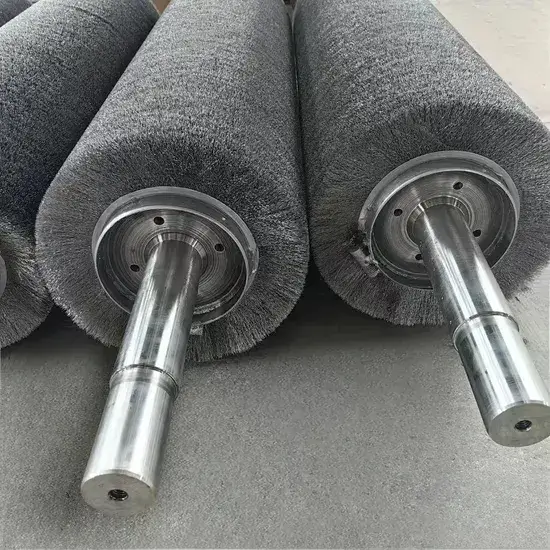
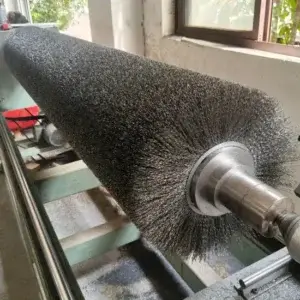
A stainless steel wire cylinder brush mounted on a standard power drill removes oil and grease faster than carbon steel alternatives in wet or chemically exposed environments because stainless filaments resist corrosion and do not leave behind carbon deposits that can contaminate cleaned surfaces. For dry, heavy-duty degreasing where maximum cutting aggression is needed, a carbon steel wire cylinder brush provides higher initial abrasion at a lower material cost.
The selection process goes beyond picking a random wire brush off the shelf. Brush diameter, wire gauge, filament type, and maximum RPM compatibility all determine whether a cleaning job finishes in minutes or drags on for hours. This article walks through each of these factors and identifies the configurations that deliver the best results for oil and grease removal across different industrial settings.
What Makes a Cylindrical Wire Brush Effective for Oil and Grease Removal
How Cylindrical Wire Brushes Remove Oil and Grease
A cylindrical wire brush removes oil and grease effectively when it combines the right filament stiffness with high-speed rotation. The rotating bristles strike the contaminated surface at a shallow angle, mechanically breaking through the oil film and lifting it away without clogging the brush face.
Oil and grease present a different removal challenge than rust or paint. Unlike dry oxidation that fractures under impact, grease is viscous and tends to smear. A brush that is too soft will simply spread the contamination around. A brush that is too stiff may gouge the workpiece. The sweet spot lies in crimped wire filaments with a diameter between 0.3 mm and 0.5 mm, which provide enough tip pressure to cut through the oil layer while maintaining enough flexibility to follow surface contours.
Optimal Speed and Brush Diameter for Grease Removal
Rotation speed is equally important. Most cylindrical wire brushes for drills operate between 2,500 and 4,500 RPM. At the lower end of this range, the brush produces a scrubbing action suitable for light oil films. At 4,000 RPM and above, the wire tips deliver enough kinetic energy to break through carbonized grease deposits. Field data from industrial maintenance operations show that running a 50 mm diameter brush at 3,500 to 4,000 RPM on a variable-speed drill removes medium-weight grease in roughly 45 seconds per 100 cm² of surface area.
Filament Pattern and Construction: Crimped Wire vs. Knotted Wire
Filament pattern matters as well. A wound or twisted-in-wire construction holds filaments more securely than simple tufted designs, reducing the chance of wire shedding during aggressive cleaning. For oil removal specifically, crimped wire is preferred over knotted wire because the crimped profile creates more contact points per rotation, producing a more uniform clean. A straight wire fill works for light deburring but struggles with sticky contaminants that need a slightly wider impact footprint.
Stainless Steel vs. Carbon Steel Wire: Which Material Works Better for Oil and Grease
For oil and grease removal in wet, humid, or food-processing environments, stainless steel wire cylinder brushes outperform carbon steel because they do not rust, do not transfer carbon residue, and maintain consistent stiffness across repeated cleaning cycles. Carbon steel brushes work best for one-time heavy degreasing on non-stainless substrates where cost is the primary driver.
The core difference between these two materials shows up in both chemistry and economics. Carbon steel wire costs 30 to 50 percent less per brush but typically wears 40 percent faster when used with liquid degreasers or in high-humidity conditions. Stainless steel wire, made from 304 or 316 alloy, resists oxidation from water-based cleaners and organic solvents. This makes a stainless steel wire cylinder brush the standard choice for marine equipment, food processing machinery, and any application where post-cleaning rust spots are unacceptable.
The contamination risk deserves extra attention. When a carbon steel wire brush runs against a workpiece, microscopic iron particles can embed in the surface. On carbon steel components, this is rarely a problem. On stainless steel tanks, valves, or processing equipment, however, those embedded particles oxidize and create rust spots within 24 to 48 hours. A dedicated stainless steel wire cylinder brush eliminates this risk and is the only acceptable choice when working on stainless steel substrates.
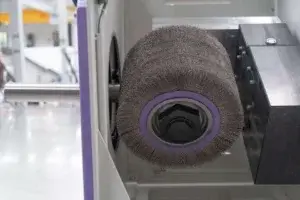
Wire gauge also interacts with material choice. Stainless wire in the 0.3 mm to 0.4 mm range provides a balance of flexibility and durability for recurring cleaning tasks. Carbon steel wire at 0.5 mm delivers the kind of aggressive cutting needed for baked-on grease on cast iron engine blocks or heavy machinery. The operating environment, not just the contaminant, should drive the material decision. If the cleaning station is outdoors, near saltwater, or uses water-based degreasers, the economics shift decisively toward stainless.
Key Specifications to Match a Cylindrical Wire Brush to Your Drill
The three specifications that matter most when pairing a cylindrical wire brush with a power drill are brush diameter, shank size, and maximum safe RPM. A brush with a 6 mm or 8 mm shank fits most standard drill chucks, while the maximum safe RPM printed on the brush must always exceed the drill’s no-load speed.
Mismatching these parameters leads to two common failures. A brush rated for 4,500 RPM running on a drill that spins at 6,000 RPM will throw wires within the first minute of operation. A 75 mm diameter brush on a compact 12 V drill lacks the torque to maintain cutting speed under load, resulting in poor cleaning performance and motor overheating. The table below maps common drill types to compatible brush sizes.
Brush Length: Short vs. Long for Grooves vs. Flat Surfaces
Brush length is another variable that affects cleaning efficiency. Shorter brushes in the 25 mm to 40 mm range concentrate impact force on a narrow band, ideal for cleaning threaded shafts, bolt holes, and narrow grooves. Longer brushes of 50 mm to 100 mm cover more surface area per pass and are the better choice for flat plates, large-diameter pipes, and tank interiors. For general maintenance work where both scenarios arise, a mid-length brush of 50 mm to 60 mm offers the best compromise between coverage and control.
Wire Fill Density: Balancing Wear Resistance and Debris Clearance
Wire fill density, measured as the number of filaments per square centimeter of brush face, also influences performance. A high-density brush with tightly packed filaments lasts longer in abrasive conditions. A medium-density brush clears chips and debris more effectively, which matters when cleaning parts coated in thick grease that can pack between the wires. For oil and grease removal, medium to medium-high density provides enough cleaning power without trapping excessive residue inside the brush body.
Operating Techniques That Extend Brush Life and Improve Cleaning Results
Optimal Operating Parameters: Speed, Pressure, and Travel Pace
To maximize cleaning speed and extend brush life, keep the drill speed in the 60 to 80 percent range of the brush’s maximum RPM rating, apply light to moderate pressure, letting the wire tips do the work, and move the brush along the surface at a consistent pace of roughly 5 to 10 cm per second.
The most common operator mistake is excessive pressure. Pushing a cylindrical wire brush hard against a greasy surface bends the filaments past their elastic limit, causing permanent deformation. Once wires lose their spring shape, they stop cutting and start sliding. A deformed brush produces heat instead of cleaning action and wears out in a fraction of its normal service life. The correct technique uses enough pressure to feel a slight resistance through the drill handle, nothing more. The high-speed wire brush rotation generates the cleaning force; the operator only needs to maintain contact.
Direction of Travel: Pushing Debris Away for Safety and Visibility
Direction of travel affects both results and safety. Always move the rotating brush across the surface in the direction that pushes debris away from the operator. On horizontal surfaces, work from the far edge toward yourself with the brush rotating so the top of the cylinder moves away from you. This throws oil, grease, and loose particles forward and downward, away from the operator’s face and clothing. Reversing this direction pulls contaminants upward, creating an unnecessary safety hazard and reducing visibility of the work area.
Cool-Down Intervals and Brush Alternation for Extended Service Life
Cool-down intervals extend brush life on long cleaning runs. After three to five minutes of continuous operation, letting the brush spin freely for 10 to 15 seconds allows air to flow through the filament bundle, cooling the wires and dislodging accumulated debris. This simple habit can double the usable life of a brush in heavy degreasing applications. For production environments where downtime is costly, alternating between two brushes so each one gets a cooling cycle during use keeps throughput high without sacrificing brush longevity.
Industrial Applications Beyond Oil and Grease Removal
A cylindrical wire brush for drill applications extends far beyond simple degreasing. These brushes handle rust removal, weld cleaning, surface preparation before coating, deburring machined edges, and wood grain texturing, making them one of the most versatile tools in any maintenance or fabrication shop.
Rust removal is the second most common use case after degreasing. A carbon steel wire cylinder brush running at 3,500 RPM strips light to moderate rust from steel plates, structural beams, and pipe exteriors in a single pass. For heavier mill scale, a knotted wire configuration provides the extra cutting force needed. The same brush that cleans grease from a gearbox housing on Monday can strip rust from a steel fabrication on Tuesday with no change in setup.
Surface preparation before painting or coating is another high-value application. Wire brushing creates a slightly textured surface profile that improves coating adhesion. On steel substrates, a 0.3 mm crimped stainless wire brush at 2,500 to 3,000 RPM produces a surface roughness of approximately 25 to 50 micrometers Ra, which falls within the optimal range for most industrial primers and epoxy coatings. Wood surface preparation follows similar principles, where a cylinder brush for polishing with abrasive-impregnated filaments opens the grain and removes loose fibers before staining or sealing.
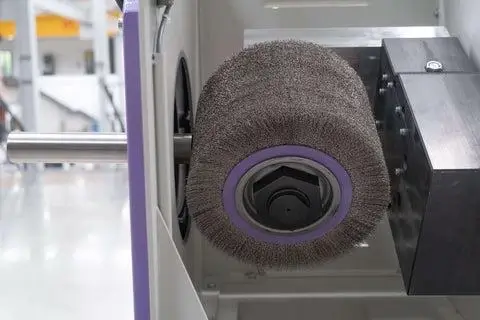
In metal fabrication shops, deburring freshly cut or machined edges is a constant requirement. A fine-wire cylindrical brush in the 0.2 mm to 0.3 mm range runs at moderate speed and removes sharp edges and micro-burrs without changing part dimensions. For production lines that process hundreds of parts per shift, mounting a cylindrical brush in a stationary drill stand and feeding parts past it turns a manual deburring task into a semi-automated process. Industrial metal cylinder brush configurations designed for continuous use handle this workload without filament breakage or core deformation.
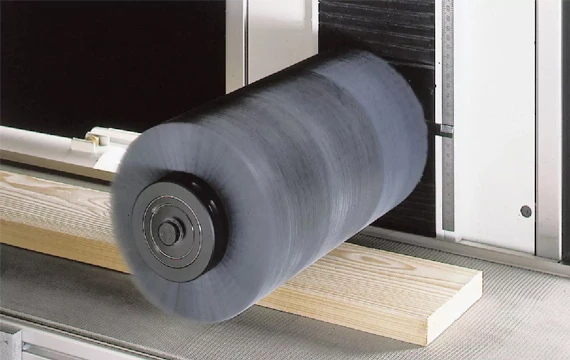
The brush also proves useful in furniture polishing brush applications where a controlled surface texture is part of the aesthetic specification. Wire brushing softwood creates a weathered, raised-grain appearance that is impossible to replicate with sandpaper alone. The key is matching brush aggressiveness to wood species: a coarser 0.5 mm wire for dense hardwoods like oak, and a finer 0.3 mm wire for softer species like pine or cedar.
FAQ
Q1: Can a cylindrical wire brush remove baked-on carbon deposits from engine parts?
Yes, but it requires a knotted or coarse crimped carbon steel wire brush with a diameter of 0.5 mm or larger, run at 3,500 to 4,000 RPM on a corded drill that delivers consistent torque under load. Carbon deposits are harder than standard grease and need higher tip impact energy. Pre-soaking the part in a solvent-based degreaser for 15 to 30 minutes softens the carbon layer and reduces the brushing time by roughly half.
Q2: How do I know when a cylindrical wire brush needs replacement?
Look for three signs: the brush diameter has worn down by more than 20 percent from its original size, individual wires are breaking off during operation, or the brush no longer cleans effectively at the same speed and pressure that worked when it was new. A brush that has lost significant diameter requires the operator to press harder to maintain contact, which accelerates further wear and increases the risk of wire ejection. Replace brushes proactively rather than pushing them to failure.
Q3: Are cylindrical wire brushes safe to use on aluminum or soft metals?
Only if the wire material is softer than the substrate. Stainless steel and carbon steel wire brushes will scratch and gouge aluminum, brass, and copper surfaces. For these materials, a brass wire cylinder brush or a nylon-abrasive cylinder brush is the correct choice. Brass filaments are softer than aluminum and will remove surface contamination without digging into the base metal. For anodized aluminum, even brass can dull the finish, so a non-woven abrasive brush is the safest option.