Why OEM Matters for Wood Polishing Applications
Surface quality is a key factor influencing product value as it relates to wood processing/furniture manufacturing. A wood polishing brush that works fine on oak can cause disappointment when used on softer hardwoods like pine or birch. OEM solutions become necessary because, typically, commercially available brushes will not match the precise speed, pressure, and finish required by a given production line.
Manufacturers that have experience manufacturing flooring products, cabinetry products, and products using panels have noted that very small changes (filament density or trim length) in the way their products are manufactured can produce very different results. Therefore, partners that can offer true Original Equipment Manufacturer (OEM) capability will help manufacturers sourcing at volume to reduce the amount of rejected products, reduce the amount of rework, and improve the consistency of throughput.
What’s Wood Polishing Brush is a fantastic resource for anyone who is still learning about brushes. Before getting into customization, it’s important to have a good foundation in brush types and terminology related to wood polishing.
Key Customization Options for OEM Brushes
Material Selection
Material is the fundamental component of any OEM brush production project. There are various filament materials used in making custom brushes depending on what type of wood they will be used for and what stage of finishing the wood will go through.
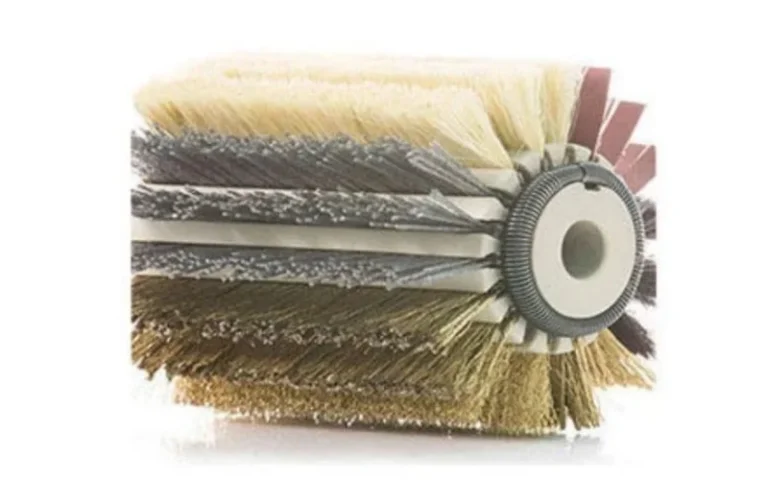
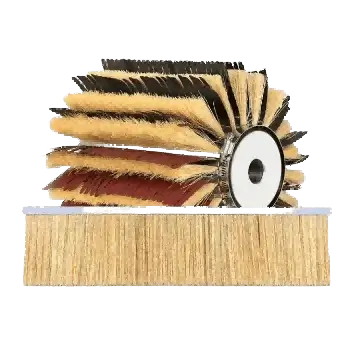
- Sisal has aggressive cutting characteristics when sanding raw wood.
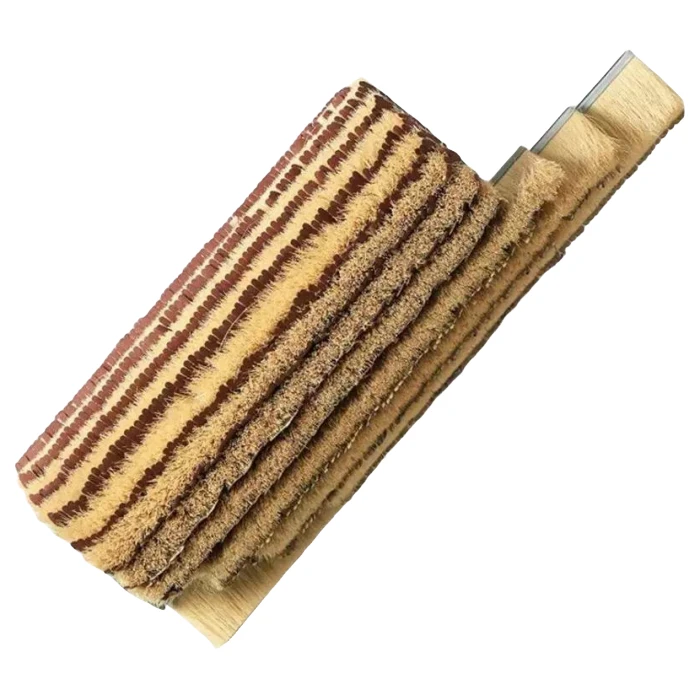
- Using tampico fibers in a product provides a superior way to finish surfaces through both polishing and buffing with wax or other polishing materials.
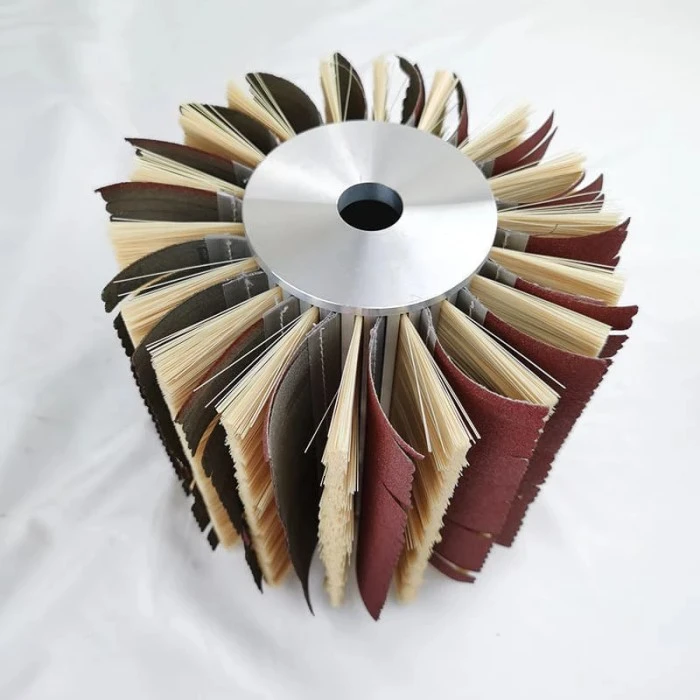
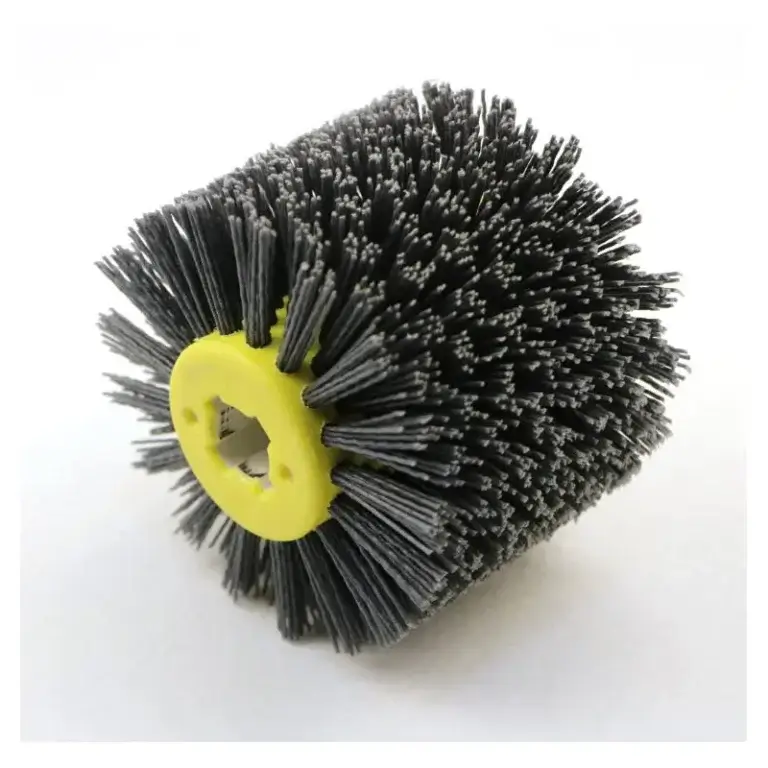
- Using nylon abrasives (such as SiC or alumina) provides uniform grit distribution throughout the entire brush, allowing for precise calibration and effective smoothing of denibbed surfaces.
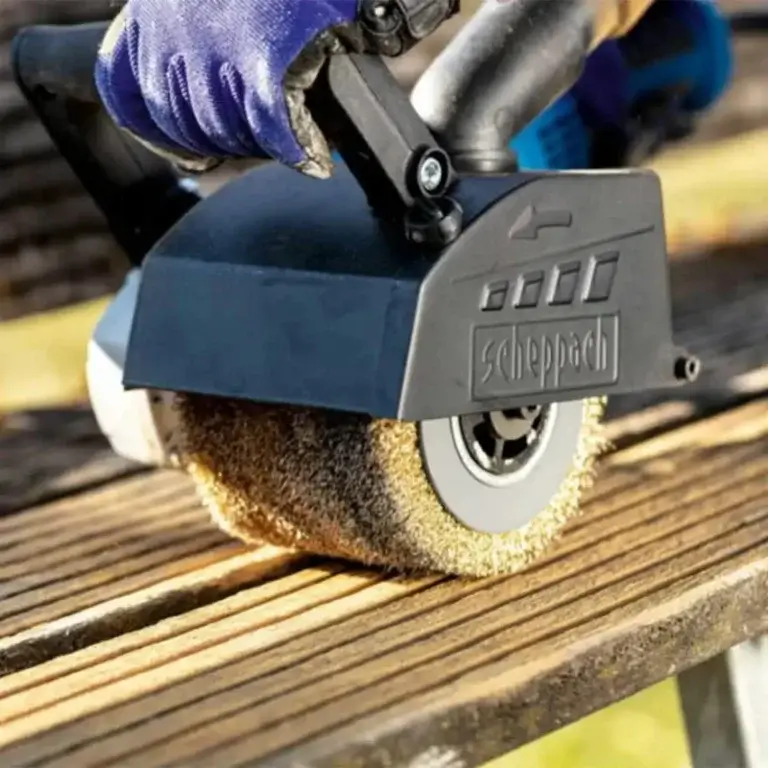
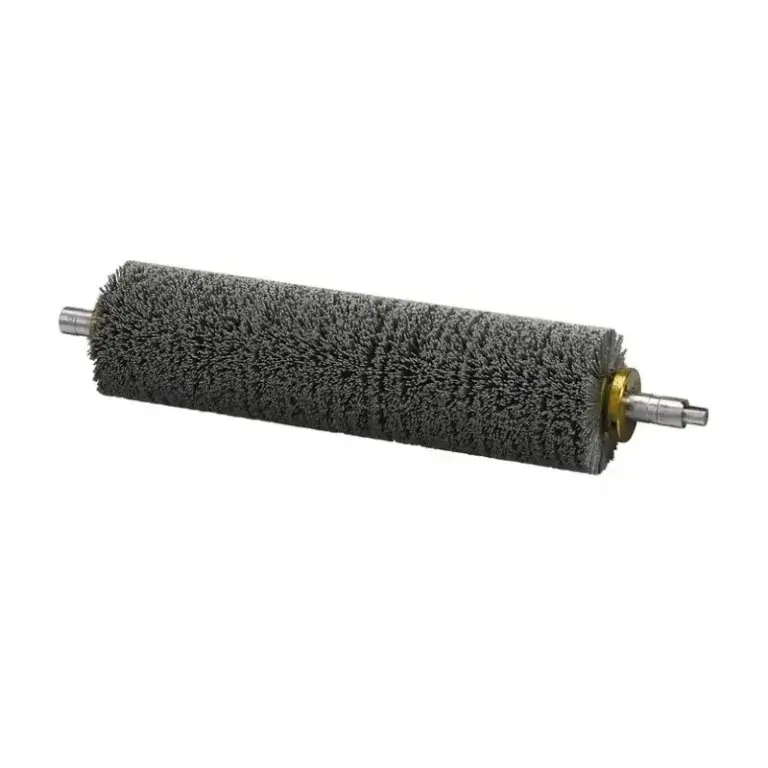
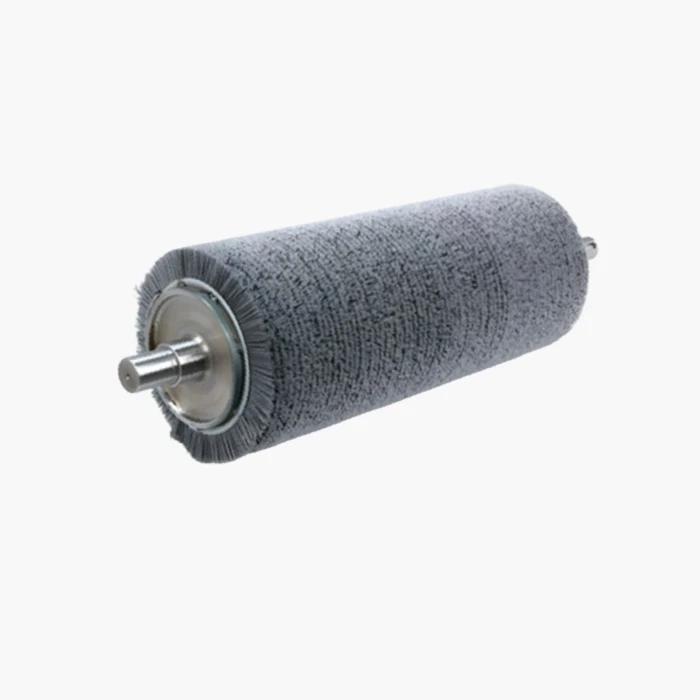
A metal cylinder brush is specified for use when doing major rust or paint removal prior to refinishing. When removing old finishes and preparing reclaimed wood surfaces, an appropriate choice of brush will depend on whether or not the organic fibers used would break down too quickly during the process.
Dimensional Specifications
OEM purchasers require brushes to fit existing machines without modification. The critical dimensions of the brush include:
- Roller body length—matched to the width of the conveyor or the machine
- Outer diameter—determines contact pressure and angle of wrap
- Core bore or shaft diameter—ensures secure mounting of the brush
- Trim length and density—control aggressiveness of finish
Core Construction
| Core Type | Best For | Typical Application |
|---|---|---|
| Steel Tube Core | High-speed sanding machines | Flooring production lines, panel calibrating |
| Plastic Core | Lightweight or chemical-sensitive environments | Lacquer buffing, clean-room furniture finishing |
| Wood Core | Low-speed, standard equipment | Craft workshops, restoration |
| Channel Strip (wound) | Flexible replacement on wide rollers | Wide-belt alternatives, custom retrofits |
The majority of custom cylinder brush orders for industrial wood polishing have steel tube cores since they are durable and can dissipate heat when being used at speeds over 1,000 RPM.
OEM Process: From Initial Inquiry to Final Delivery
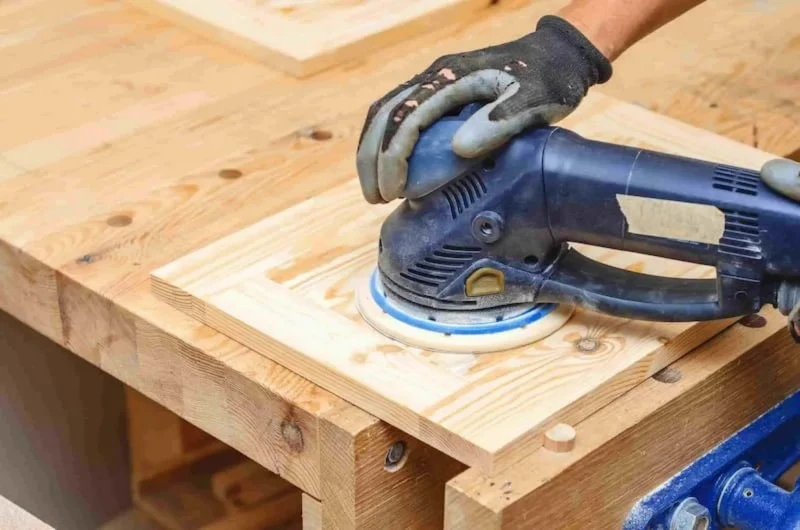
Brush manufacturers that have experience providing Original Equipment Manufacturer (OEM) services usually use a standardized OEM workflow. Each supplier is different and manufactures goods through a slightly different method; however, the following is the typical sequential basis they use:
- Review application—The buyer supplies the required machine specifications, wood type, target finish, and run speed.
- Material and design recommendations—The supplier will propose the following: filament type, grit, density, and dimensions.
- Sample production — A prototype brush will be made and sent to you for testing on your machine.
- Adjustments based on feedback from trials—After trials, the trim length, fill density, or grit grade should be adjusted as necessary.
- Bulk production—Final specifications are locked, and batch manufacturing begins.
An iterative method of reviewing this has been shown to yield more successful long-term outcomes compared to just ordering products generically via catalog numbers. Buyers who have spent time sampling have indicated they have had to change brushes less frequently throughout their runs and that surface quality will be much more consistent throughout shifts.
Furniture Industry: A Growing OEM Segment
With an increase in demand for customized polishing solutions, the furniture industry is experiencing a growth in the popularity of water-based and UV-cured finishes that require improved surface preparation under controlled conditions. When a furniture polishing brush is used to prepare surfaces before spraying, it needs to produce consistent scratch patterns and not shed fibers that could contaminate the applied coating.
Typically, OEM suppliers catering to this particular segment will provide you with:
- Static-proof filaments for applications within dust-sensitive areas
- Food-grade or chemical-resistant cores designed to withstand lacquer exposure
- Trim profiles specifically designed to accommodate certain shapes, including concave, convex, or stepped
In order to assist the buyer within the furniture finishing industry, more application-specific information can be found within the furniture polishing brush application section; this will outline what style of brush should be used based upon what type of finish is produced and whether the production process is automated or manual.
How Do You Evaluate OEM Brush Suppliers
Not all genuine OEM capabilities are available from every manufacturer. Some simply relabel their stock items as if they were OEM. When you evaluate potential partners, as a B2B buyer, consider:
- Do they do filament processing within their own facility, such as wire drawing, fiber cutting, or abrasive integration?
- Do they provide engineering support by helping you select specs based on your equipment/material or just fill orders?
- If you receive samples in 5–7 days on average from the supplier, it tells you they have true production flexibility.
- Minimum order flexibility—True OEM partners accommodate pilot runs before committing to high-volume contracts.
Making the decision about which brush to use on a specific type of wood under a particular type of machine setup will require several technical choices to be made. The guide for how to choose wood polishing brush takes you through the choices of grit size, filament type, and dimensional matching in detail.
Metal-Cored Brushes Used in Woodworking
Many people think of using metal brushes primarily to work with metal; on the other hand, metal cylinder brushes also have a legitimate place in the woodworking process, especially for such things as
- Wire brushing to create a textured or distressed finish for wood
- Removing mill glaze before staining
- Cleaning conveyor belts and machine beds between runs
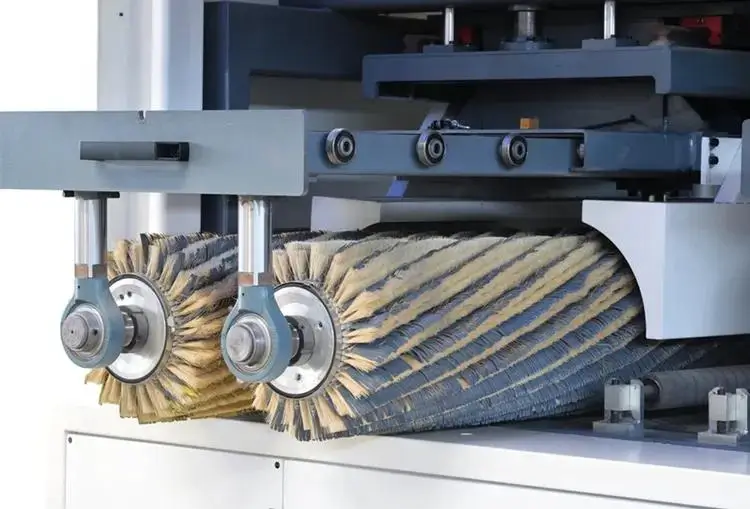
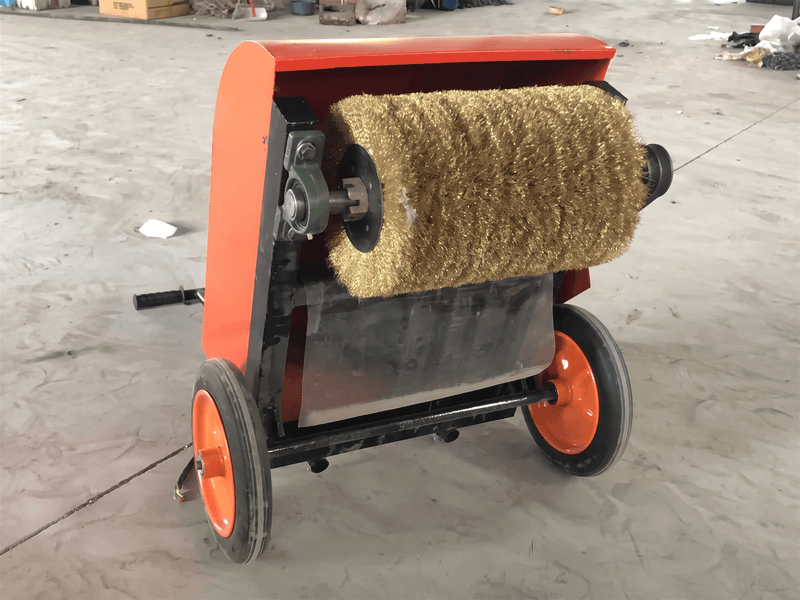
In addition to nylon abrasive polishing brushes, OEMs purchasing for the flooring and architectural panel markets will often purchase steel wire cylinder brushes to run sequentially on multi-head machines.
FAQ
Q1: What is the typical MOQ for OEM wood polishing brush orders?
Most manufacturers will accept OEM orders starting at ten (10) to fifty (50) pieces, depending on the complexity of the item. Samples are generally available in small quantities (1–2) before committing to bulk orders.
Q2: Is it possible to have a custom cylinder brush that fits your equipment?
Absolutely! All Original Equipment Manufacturers (OEMs) make sure that their brushes are produced according to specifications for length, diameter, and mounting hole sizes in order to ensure compatibility with Heesemann, Costa, Kündig, etc.
Q3: How long does it typically take to have a custom cylinder brush made and shipped?
The typical time frame is from 15 to 30 working days after the customer approves the sample of the brush, which includes, but is not limited to, manufacturing, material sourcing, and shipping time.