
Choosing the appropriate wood polishing brush is primarily determined by three characteristics: the wood being polished, the finished stage desired, and the speed at which the production line operates. Anytime one of these factors is incorrect, it can create either surface defects, inconsistent finish quality, or premature wear on the brush; all of which lead to considerable amounts of both time and financial resources being wasted on an ongoing basis.
The goal of this guide is to clarify the decision-making process so procurement staff and production managers can identify which specifications match their workflow requirements.
How Your Choice of Brushes Affects the Quality of Your Output
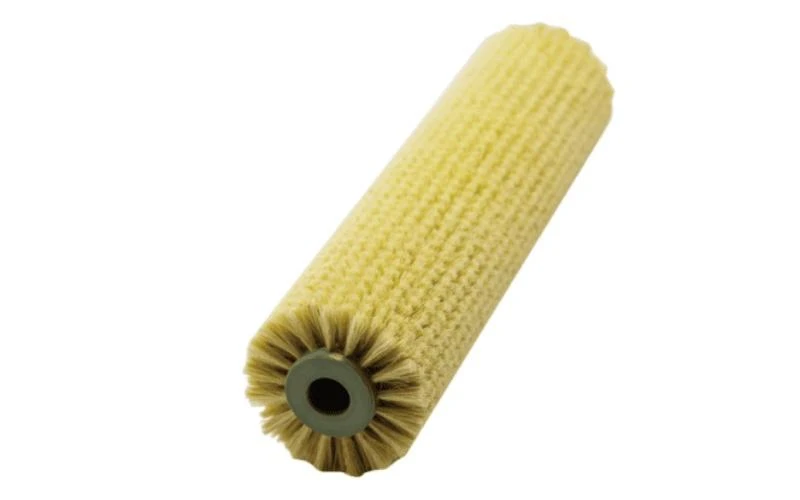
Every time you finish wood, you need to choose the best brush for the job. When you have a brush selected for your softwood wooden panel (pine), it may also not be the best choice for hard oak surfaces (gouging/streaking). When you have selected a brush for your final polish, it may instead work very poorly as an intermediate in sanding when you need to remove more material.
Often, experienced operators have noted that inconsistencies on surfaces (e.g., streaks, shade differences, and raising or troubling of fibers) are generally due to mismatches between the type of brush and the application process. Brushes very rarely have defects; instead, the problem can normally be traced to the fact that the brush was not intended to be used at that particular stage in the finishing line.
Knowing how a wood polishing brush performs through its various applications helps remove the element of guesswork, while reducing the trial and error cost, as a result of the setup of the production process.
Main Considerations When Selecting the Brush
Type and Density of the Wood
Hardwoods such as oak, maple, and walnut will require softer, more flexible filaments in order to polish them without creating scratches. On the other hand, softwoods such as pine and cedar may tolerate somewhat stiffer bristles, but they will need the use of careful pressure to avoid indenting them.
Final Stage
Each successive stage requires various brush qualities, as follows:
- Removal of sharp material — hard abrasive filaments
- Smoothing intermediate area — natural or synthetic fiber with a medium stiffness
- Polishing final surface and developing sheen — soft and extremely fine point filaments
When using a polish brush, you will be working primarily at final stages of finishing, wanting to refine the surface versus removing any material.
Brush-Riding Machine Speed and Type
The specifications of the polishing machine should be followed when selecting the proper brush diameter, core length, and/or bore size to utilize to ensure proper machining processes. Operating at an improper RPM will cause rapid tool wear due to an inconsistent amount of contact pressure applied to the workpiece during the finishing operation.
Brush Type Comparison — Wood Applications
The following table details the brush types available at each stage of the wood finishing process to assist consumers in selecting the best brush type for their particular application.
| Type of Brush | Recommended Use | Effectiveness | Typical Application |
|---|---|---|---|
| Sisal Bristle Cylinder Brush | Rough / Intermediate | Very High | Grain raising and initial sanding of hardwoods |
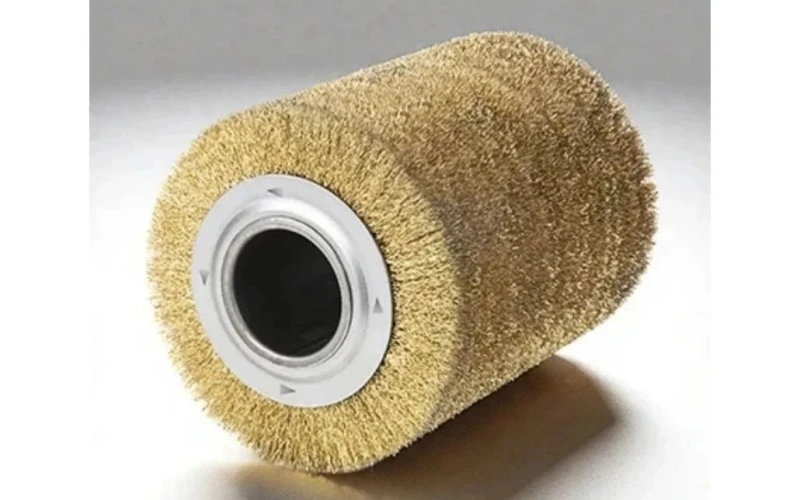
| Metal Cylinder Brush | Heavy Material Removal | Very High | Removal of rust from reclaimed wood and texturing |
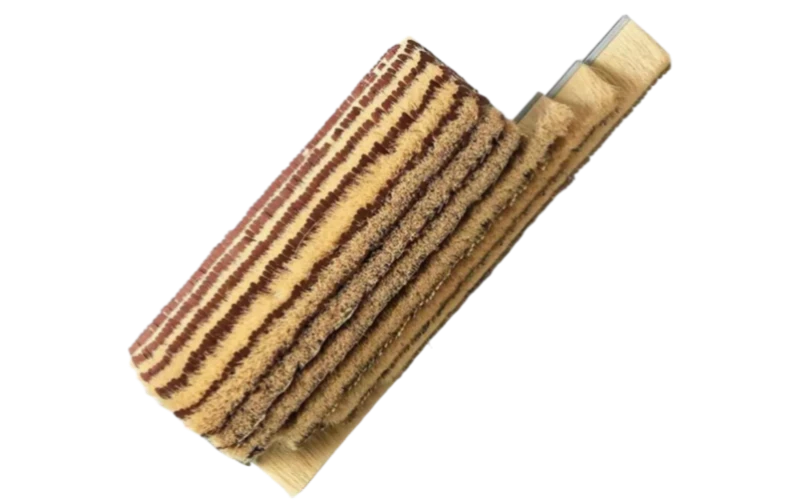
| Sandpaper Cylinder Brush | Intermediate Sanding | High | Providing a uniform surface for coating |
| Tampico Fiber Bristled Brush | Intermediate Polishing | Medium | General smoothing of softwood |
| Horse Hair / Soft Fiber Brush | Finishing Polish | Low | High-gloss finishes on lacquered wood |
| Nylon Abrasive Brush | Flexible Staging | Adjustable | Multi-purpose denibbing and light sanding |
Wood polishing brushes made with soft natural fibers occupy a unique niche as they are utilized as the last finishing operation on surfaces where appearance is of utmost importance.
When to Consider Alternative Brush Types
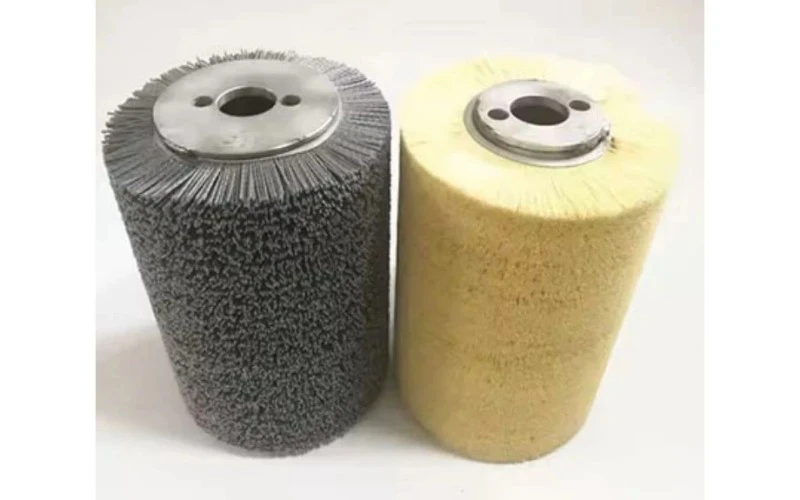
Not every wood processing task calls for a polishing brush. Recognizing when to switch brush types prevents surface damage and improves line efficiency.
Sisal cylinder brushes are appropriate for performing the initial stages of work on wood surfaces. These brushes are comprised of stiff, natural bristles that will open the grain of the wood surface and remove any dust or loose material from the surface of the wood before the polishing stage can begin. In industrial applications where reclaimed or weathered wood is being processed, applications for sisal cylinder brushes demonstrate how these brushes are used to prepare raw wood surfaces to receive a finish at other manufacturing processes.
A metal cylinder brush will perform much better than a regular brush when you’re trying to remove paint, old finishes or surface rust from reclaimed wood. While metal cylinder brushes can be used in many different industrial applications outside of wood, they have a distinct purpose within the furniture restoration and wood recycling industries.
To achieve a uniform finish on the surface between layers of coatings, a sandpaper brush provides consistent abrasive surface contact across flat and curved surfaces. The sandpaper brush helps to bridge the gap between heavy material removal and final polish.
Practical Considerations for Buyers of Brushes
When buying brushes in bulk quantities, production managers will want to consider other items than the filament type. When evaluating brushes for purchase, other factors they need to evaluate are:
- Density of filament — Filaments with a higher density will provide a more uniform surface contact; however, this will add increased drag to the motor
- Steel cores are ideal for faster lines as they will not deteriorate as fast and plastic cores will make your machine lighter
- Longer trims will give you better versatility but you do not have as much control on flat working surfaces
- Custom bore sizes will ensure that the brush fits correctly and that you will experience reduced vibration and run-out
Most industrial suppliers will provide you with custom specifications for wood polishing brush orders so that you can buy the same exact size brush from your supplier to fit your machine and be sure that your production will be completed without any problems.
How to Decide When to Replace and Maintain Brushes
Brush performance declines gradually, which makes it difficult for users to realize when the performance is beginning to deteriorate. Here are some practical guidelines to help you decide when to replace your brushes:
- Replace your brushes when you see the filament tips starting to split and/or curl
- Each week, measure the surface finish quality with a gloss meter
- When using multi-head machines, rotate your brushes on each head so that they wear out at the same time
By adhering to a regular maintenance schedule, you will maintain a consistent level of quality in your finished products, and you will avoid having to incur the hidden costs associated with rework because of worn out brushes.
FAQ
Q1: When purchasing a wood polishing brush, can I get it made to fit my specific machine?
Most manufacturers allow custom bore sizes, body lengths, and filament density. Approved suppliers can customize brushes closely to your machine specifications without significant additional costs.
Q2: What is the normal minimum order quantity for wholesale brushes?
MOQ differs by supplier. However, most industrial brush manufacturers generally accept orders of 10–50 units depending upon the amount of custom work required.
Q3: Can one brush handle both sanding and polishing stages?
It is generally not advisable. Sanding and polishing require different filament hardness levels. Using separate brushes for each stage produces much better surface results.