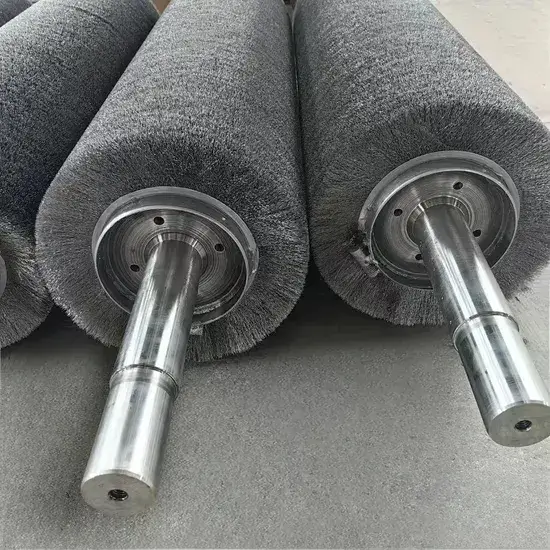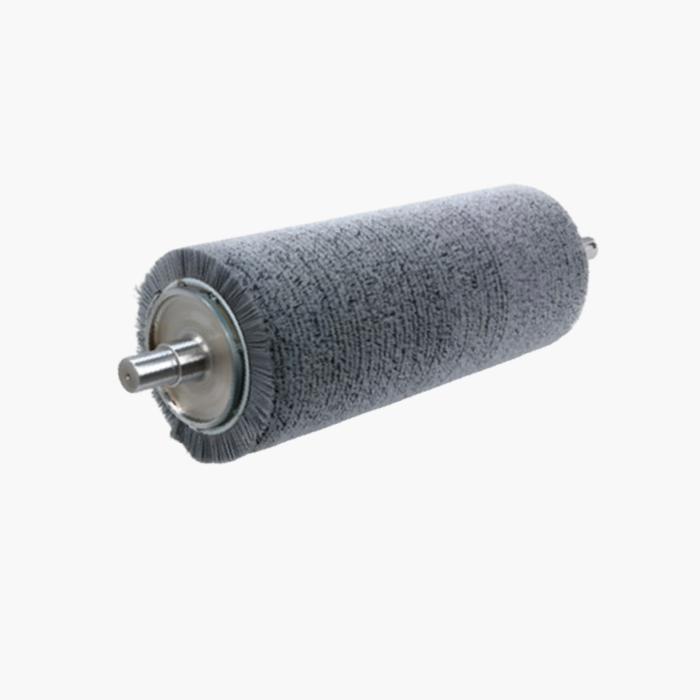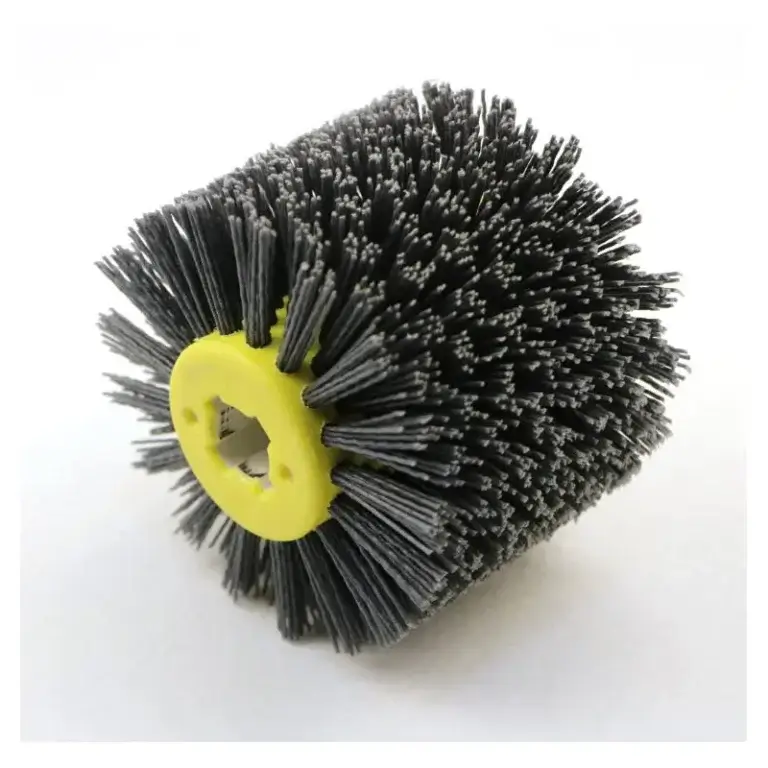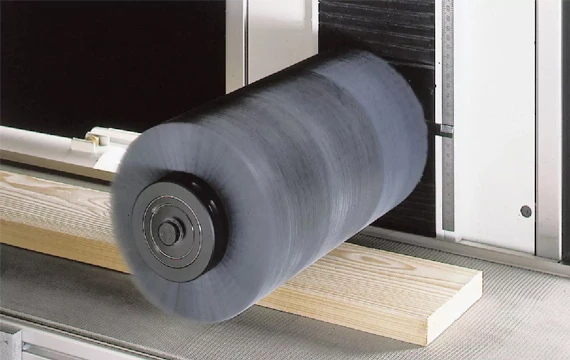
The right choice of rust remover brush involves matching wire material to the workpiece, evaluating total cost over unit price, and specifying coating for wet or dry conditions.
Selecting the incorrect rust remover brush wastes more than just money; it damages the workpieces, results in rework, and increases downtime. Most metal processing workshops still select brushes based on their price. Only later do they realize that the “cheap” option has doubled their annual consumable budget. Here is a guide that will break down the four main aspects that every buyer should consider before purchasing so that the brush performs well the first time on the line.
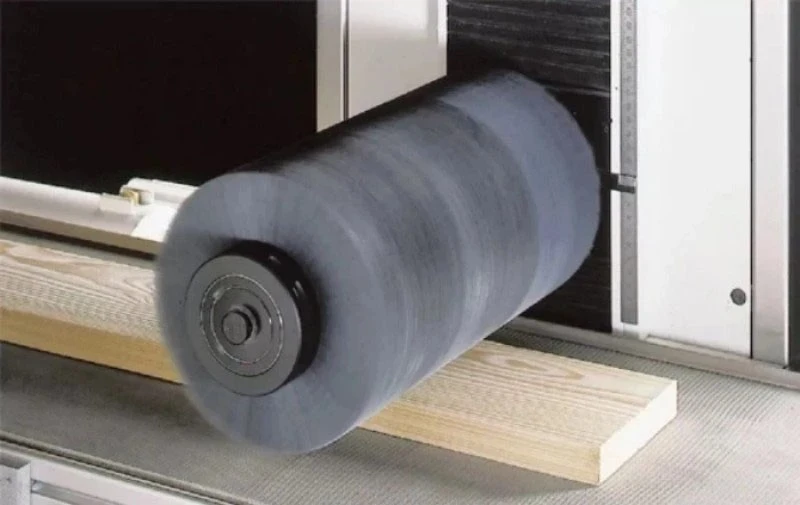
Selecting Rust Remover Brushes: Four Core Dimensions
How well the brush matches the underlying work determines the actual process of removing rust. The four factors below will either ensure the perfect operation of a roller brush or, by creating new problems, will lead to more issues.
Workpiece Material Determines Wire Material
Hardness and oxide layer thickness are different among carbon steel, stainless steel, aluminum alloy, and cast iron. For example, a typical steel wire brush is effective at removing heavy rust from carbon steel; however, the same brush will cause carbon infiltration and black discoloration on stainless steel.
The matching logic, typically followed by experienced engineers, is as follows:
- Brass Wire Cylinder Brush—Soft filaments of brass, which do not cause sparks, are suitable for aluminum parts, thin sheet metal, and light surface oxidation; it does not leave scratch marks.
- Nylon Abrasive Brush—Nylon filaments impregnated with abrasives give controlled abrasion on sensitive surfaces for use on fine hardware and alloy surfaces.
- Stainless Steel Wire Cylinder Brush—The brush is highly effective for removing rust from stainless steel workpieces; it is free from carbon transfer and cross-contamination.
- High Carbon Steel Wire Brush—This is best for use on thick layers of rust on carbon steel because you need to cut aggressively.
Purchase a general rust remover brush without concern for the workpiece material, and you will either leave some rust behind or ruin the surface and junk the part. In either case, rework costs add up. More on wire material options later—the custom rust remover brush selection guide gets into material-to-application pairing in full.
Unit Price Is Misleading—Total Cost of Ownership Is the Real Number
Comparing purchase price per piece is the most common procurement mistake in brush sourcing. Most low-cost rust remover brush options on the market almost always use recycled steel wire; such wire is of poor toughness, it breaks effortlessly, sheds fragments onto the workpiece, and wears out fast, therefore necessitating very frequent line stops for replacement.
A dedicated rust remover brush designed for the exact working conditions will typically last 2–3 times as long as a cheap alternative. That extra life directly means less downtime for changeovers, a lower labor cost per shift, and lower scrap rates.
| Cost Factor | Cheap Generic Brush | Custom-Matched Brush |
| Unit price | Low | Moderate |
| Average lifespan | 1× (baseline) | 2–3× longer |
| Changeover frequency | High (frequent stops) | Low |
| Risk of workpiece scrap | High | Minimal |
| Annual total cost | Higher | Lower |
The table above shows why total cost analysis matters more than sticker price. It’s not unusual for shops that switch to rollers of the right spec to cut annual spending on brushes by 30–40%.
Dry vs. Wet Conditions Dictate Anti-Rust Treatment Standards
Rust removal is not always dry. The wet descaling lines combine brushes with chemical agents for rust removal, and that atmosphere of high moisture attacks any unprotected wire. An untreated steel wire rust remover brush used in a wet process can rust and clump within days, losing all cutting ability.
Key considerations for each scenario:
- Wet rust removal—Choose brushes with wires that are coated with anti-corrosion or stainless steel filaments. This coating will protect the brush body from oxidation in air that is both humid and laden with chemicals.
- Dry grinding—Priority is given to the hardness and resistance to wear of the wire over protection from corrosion. High-carbon or tempered steel wire will provide the aggressive abrasion that dry processes require.
Without drawing a line where one environment ends and the other takes over, the brush life will be drastically reduced. A good metal polishing brush for wet line applications should have special anti-rust surface treatment carried out on every filament, not just the core of the brush.
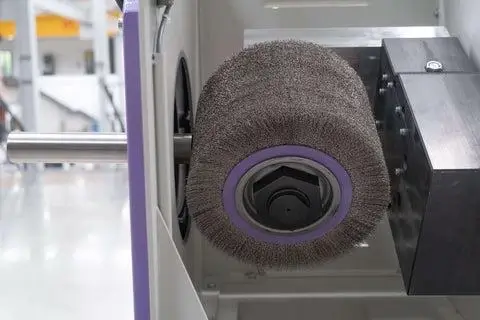
Rust Thickness Determines Wire Diameter and Density
A coarse wire drawing in tightly over the layer is needed to deal with thick oxide scale and severe corrosion, where a fine, pliable filament is required to remove only light rust from precision sheet metal, without damaging the substrate.
Using thick wire everywhere is risky in two ways:
- On thin sheet metal, a thick wire will apply too much force and bend the part.
- On heavy rust with fine wire, the filaments are too weak to break through the scale, leaving residual rust patches behind.
To remove guesswork from the process, the difference between “guessing” and actually “engineering” a specification for a rust remover brush becomes apparent on the shop floor very quickly. So, a good practice is to always provide sample workpieces or detailed rust-layer data to the brush manufacturer before confirming wire specifications. The article titled “What’s a Rust Remover Brush?” explains the way in which the diameter of the filament interacts with rotation speed and contact pressure in the management of removal depth.
Comparison Table: Generic vs. Professional Selection
| Factor | Generic Approach | Professional Approach |
| Wire Material Choice | One generic wire for all metals | Wire matched to each workpiece alloy (stainless steel wire cylinder brush for steel, brass wire cylinder brush for aluminum) |
| Cost Evaluation | Lowest unit price wins. | Total cost of ownership analysis |
| Environment Consideration | Ignored | Dry/wet coating specified |
| Wire Diameter Decision | Random or “thickest available” | Based on the rust layer data |
| Results | Reprocessing and scrap due to high downtime | Clean finish, long life for brushes, steady output |
Units that dedicate a small amount of time to professional selection always do better than those that consider brushes throwaway items.
For operations running continuous descaling or surface prep lines, a custom-built industrial roller rust remover brush that matches the drum diameter, shaft spec, and filament requirement pays for itself within the first production quarter.
FAQ
Q1: Can one rust remover brush work on both carbon steel and aluminum parts?
No. Carbon steel wire scratches soft aluminum. Use a Brass Wire Cylinder Brush for aluminum, and reserve steel wire for carbon steel workpieces.
Q2: How frequently should a factory replace its brushes for removing rust from the roller?
The replacement period is based on the quality of the wire, workload, and working conditions. Typically, custom-matched rust removal brushes last two to three times longer than generic ones.
Q3: Does wet rust removal shorten the lifespan of the brush more than dry grinding?
Yes, if the wire is not treated with anti-corrosion. For any wet-line application, coat or use stainless filaments to keep the performance of rust removal constant. In wet environments, a stainless steel cylinder brush made of wire with the right coating is recommended.