Rust never waits. Once it takes hold on steel structures, machine parts, or welded fabrications, every hour of delay raises rework costs and inspection risk. Choosing the right metal brush to remove rust is therefore not a minor purchasing detail: the filament material determines how fast rust comes off, whether the base metal survives the process, and whether the job is even safe to perform in a given environment. Yet many buyers order brushes on price alone and discover the mismatch only after scratched workpieces or worn-out fill.
There is no single best material for rust removal. Steel wire brushes deliver maximum aggression for heavy scale on hard metals, brass wire brushes provide spark-free, low-scratch cleaning for soft metals and hazardous areas, and nylon abrasive brushes handle maintenance-grade rust control without contaminating the surface. The right choice depends on three factors: the workpiece material, the severity of corrosion, and the working environment.
The comparison below breaks down each material so you can match brush fill to your actual conditions before you order.
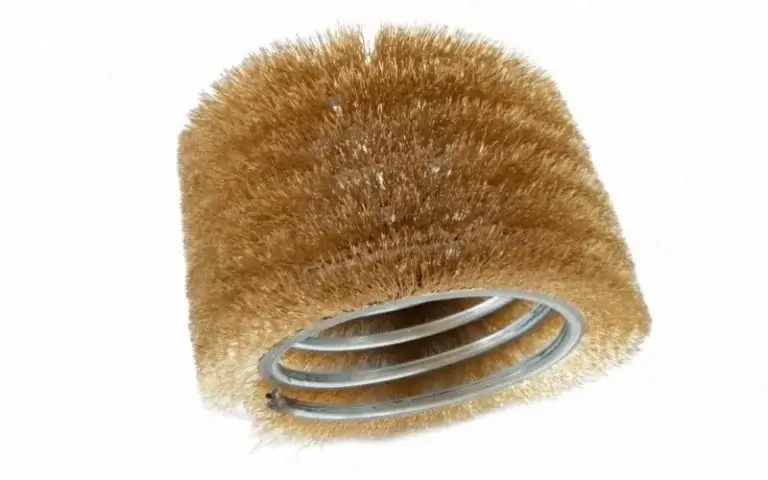
Steel Coil Brushes for hard metals
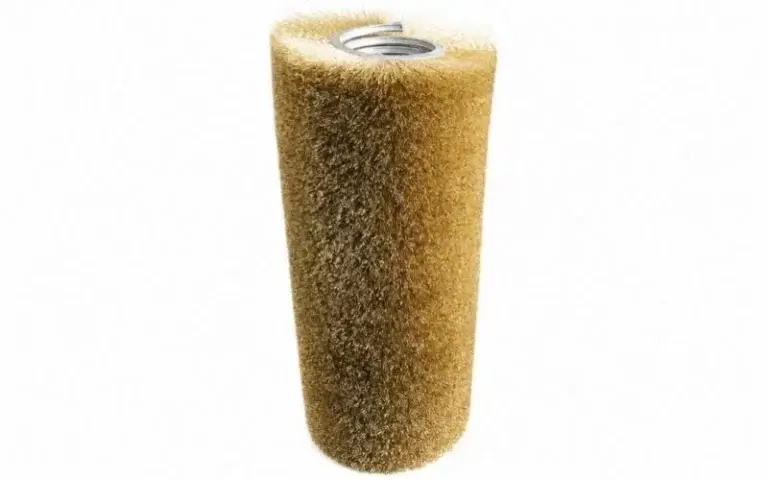
Steel wire is the most aggressive and economical fill for rust removal on ferrous metals, and the only realistic option for heavy scale and thick coating buildup.

Carbon Steel vs Stainless Steel Fill
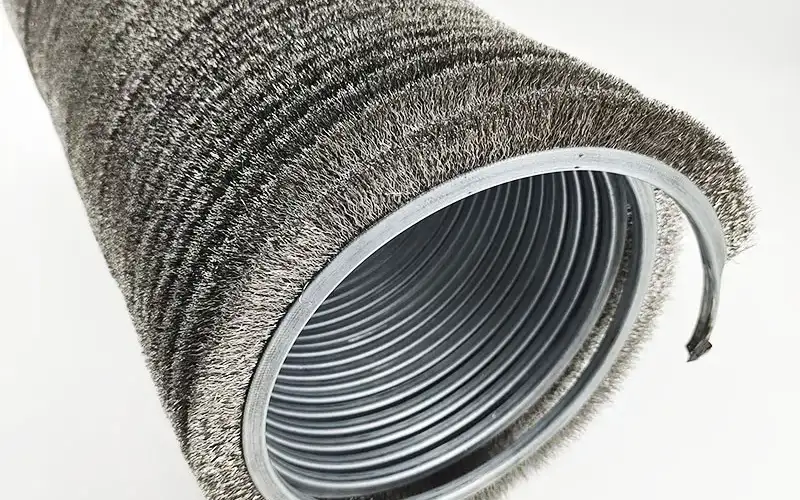
Carbon steel wire is hard, cheap, and fast-cutting, but it corrodes if stored poorly and sheds iron particles onto stainless steel workpieces, where those particles can trigger rust spots and galvanic corrosion. Stainless steel fill costs three to five times more but resists corrosion, survives washdowns, and leaves no ferrous contamination, which is why food processing, marine, and pharmaceutical buyers specify it despite the price. Industry guidance such as this Stainless Steel Metal Coil Brush material guide stresses that contamination, not hardness, is the most common hidden failure when the wrong fill meets the wrong workpiece.
Best Applications and Limits
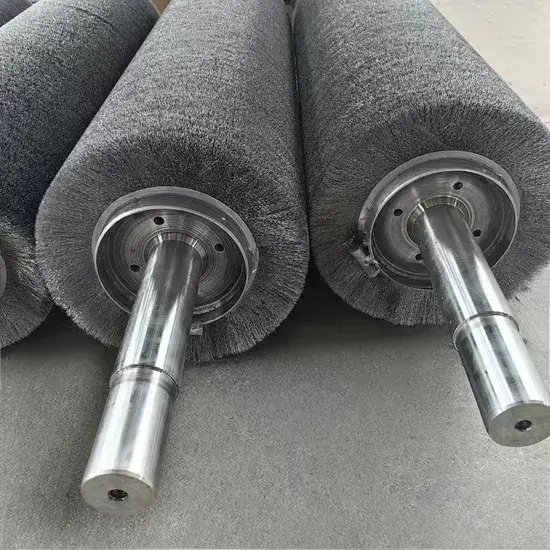
Steel fill suits structural steel cleaning, weld slag removal, and ship hull maintenance. Within steel fill, crimped wire offers flexibility for light rust and even finishing, while twisted knot wire bundles deliver the impact force needed for heavy scale. The limits are just as clear: steel scratches soft metals, produces sparks under impact, and should never touch aluminum, copper, or coated surfaces.
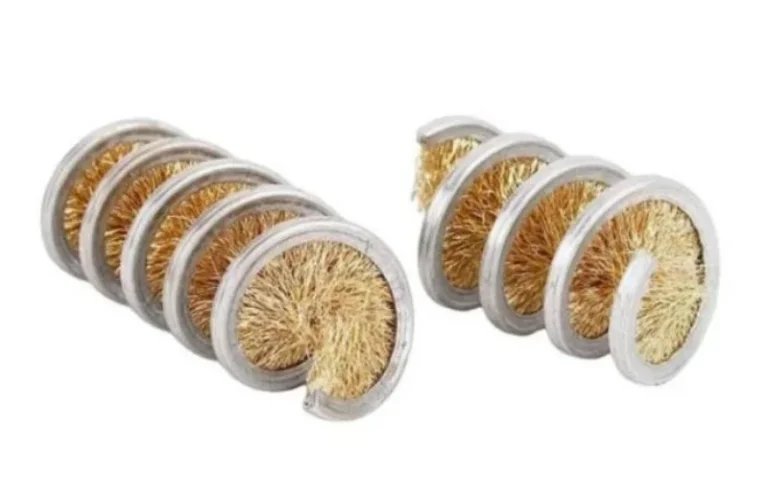
Brass Wire Brushes for light rust
Brass wire removes light rust and surface residue without scratching harder metals or igniting flammable atmospheres, making it the safe choice for hazardous areas and soft-metal workpieces.
Why Non-Sparking Matters in Hazardous Environments
Brass, typically Alloy 260 with 70 percent copper and 30 percent zinc, does not generate sparks when struck against other metals. That single property makes brass the default for oil and gas facilities, chemical plants, and any ATEX-classified zone. It also conducts electricity well, so brass strip brushes double as static-dissipation tools. One caution worth checking before purchase: non-sparking applies to the fill, while steel sideplates, cups, or shanks on a brass coil brush may still pose an ignition risk, so the whole brush assembly must be evaluated, as noted in this brass wire material reference.
Where Brass Outperforms and Where It Wears Out
Brass cleans aluminum, copper, and brass workpieces without cross-contamination, polishes electrical contacts, and handles light rust on machined surfaces. Its weaknesses are mirrored strengths: softer wire wears noticeably faster than steel, tolerates roughly 150 degrees Celsius in continuous service, and oxidizes to a darker finish over time. For heavy scale, brass is the wrong tool.
| Property | Carbon Steel | Stainless Steel | Brass |
|---|---|---|---|
| Rust removal power | Maximum | High | Light |
| Soft-metal safety | Poor | Poor | Excellent |
| Spark risk | Yes | Yes | No |
| Continuous temperature | Above 300°C | Above 300°C | About 150°C |
| Corrosion resistance | Low | Excellent | Good |
| Relative cost | Lower | Highest | Medium |
FAQs
Can a carbon steel brush be used on stainless steel?
It removes rust but embeds iron particles that later rust and pit the surface. Use stainless steel or nylon fill on stainless workpieces to avoid contamination.
How much shorter is the life of brass fill compared with steel?
Expect two to five times faster wear under the same duty, since brass is much softer. The trade-off is surface protection and spark safety that steel cannot offer.
Can one brush handle rust removal and paint prepping?
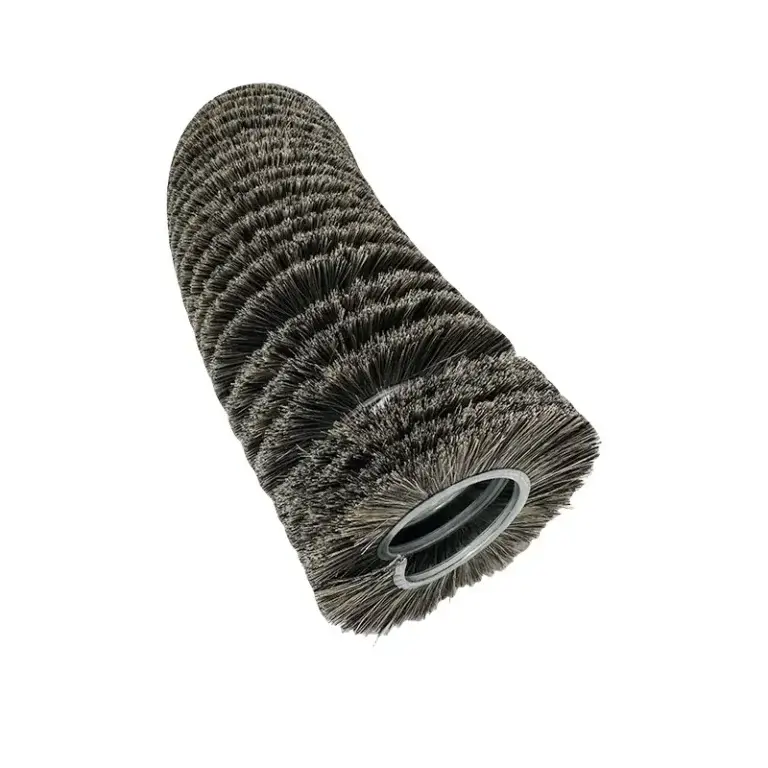
Yes, in stages: remove rust with wire fill first, then switch to a finer nylon abrasive fill to create a uniform profile the coating can bond to. Mixing both duties on one metal brush shortens its life.