
Tufted cylinder brushes provide the kind of efficient, superior cleaning that many industrial operations depend on every day. From conveyor systems to food processing lines, this brush type always outperforms flat or strip brushes in tough environments. Knowing these core advantages will help procurement teams and engineering make smarter purchasing decisions.
If you’re not sure about brushes, consider reading the article “What’s Tufted Cylinder Brush” to get some background before finding out the benefits below.
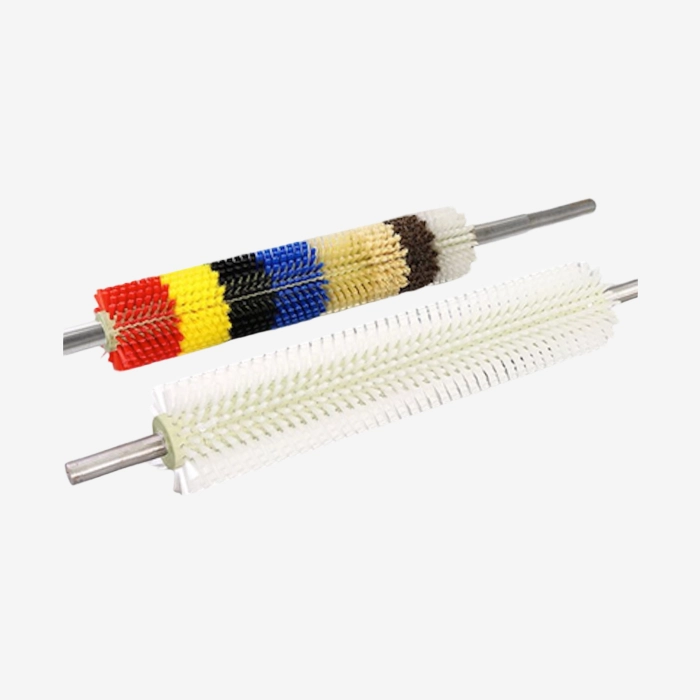
Why Industrial Buyers Opt for Tufted Cylinder Brushes
This is why manufacturers in all other sectors prefer tufted cylinder brushes to any other design; they are strong and clean at the same time. The tufted construction secures each bundle of bristles firmly into the core of the brush so that no filaments will fly out when it is spinning fast. This very design feature spells out longer service life and low replacement cost.
Many experienced operators claim that a good tufted cylinder brush will maintain its shape and stiffness much better than its wound or staple-set counterparts, even with constant use.
Core Performance Advantages — Quick Look
A fast comparison of key performance advantages for tufted cylinder brushes against the most common alternatives:
| Advantage | Tufted Cylinder Brush | Strip Brush | Staple-Set Brush |
| Bristle retention | Excellent | Moderate | Low |
| Rotational balance | High | Medium | Medium |
| Customization options | Wide | Limited | Moderate |
| Durability under load | High | Low | Moderate |
| Suitability for food contact | Yes (with nylon) | Limited | Limited |
This pretty much explains why tufted brushes have taken over where applications require uniformity and long life.
Durability That Reduces Downtime
Buyers commonly associate one of the major benefits with durability. The tufting process locks bristle clusters into pre-drilled holes on the brush core to create a secure mechanical bond. Such a structure can resist pull-out of bristles, even when the brush operates at high RPMs or comes into contact with abrasive surfaces.
Less Replacement, Lower Cost
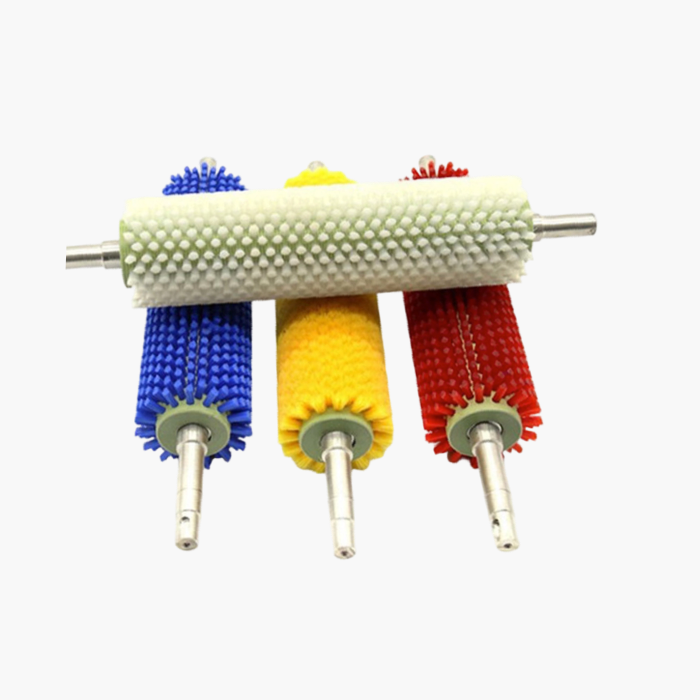
Switching operations over to tufted brushes from poor designs typically results in the following gains in brush life: 30-50% longer brush life, fewer unscheduled stops during production, and less bristle contamination in finished products. A cylinder rotary brush with tufted construction can be applied to many uses with the same basic design — surface deburring, conveyor cleaning, and even gentle produce washing — just by changing the filament material and trim length.
Common Industry Uses
The sectors where tufted cylinder brushes find broad application include the following:
- Food and beverage processing
- Metal fabrication
- Packaging
- Textile manufacturing
All these applications are discussed in detail in the next article on the top 5 surface cleaning applications of a tufted cylinder brush.
Consistent Cleaning Performance
Bristle Uniformity: A Key Driver of Consistent Cleaning Performance
Uniform bristle distribution across the brush surface ensures even contact with the workpiece. This becomes more important for automatic lines. If cleaning is not uniform, it will lead to defects in the product, which may ultimately require either rework or, in a worse situation, rejection of the finished item.
A nylon tufted cylinder brush is especially good here because the nylon filaments retain their stiffness and flex recovery through thousands of rotational cycles. Operators often claim that nylon-tufted designs do the same cleaning job on day one as they do months into service.
Ideal for Food Processing Lines
Brush materials and construction must meet strict requirements for food-grade applications. The fruit cleaning brush has bristles of nylon that are FDA compliant and a core of stainless steel to meet hygiene standards, while it remains gentle on the produce to avoid surface damage. Tufted brushes can meet these main food-grade requirements:
- Compliance with FDA and EU regulations on food contact materials
- Resistant to moisture, mold, and bacteria
- Easy disassembly for cleaning and inspection
- Chemically resistant to typical wash-down agents
The above properties make tufted designs the prime choice for equipment to be used in vegetable washing, egg cleaning, and seafood processing.
Easy Customization for OEM Integration
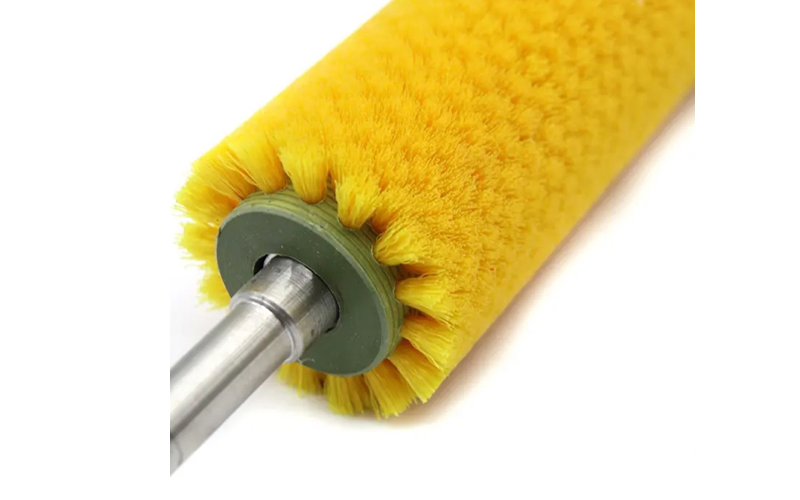
Tufted cylinder brushes offer a broad spectrum of adjustments, something that is highly appreciated by OEM buyers and system integrators. The manufacturer may choose core material (wood, PVC, aluminum, stainless steel), filament type (nylon, polypropylene, abrasive nylon, natural fiber), outer diameter and trim length, tufting pattern, bristle density, and shaft or bore mounting style.
This flexibility enables every brush to meet precisely the mechanical and performance demands of the target machine. For guidance on specification selection, the detailed guide on how to choose the tufted cylinder brush takes buyers through every critical decision point.
Long-Term Value for B2B Buyers
In the end, tufted cylinder brushes always give you better value than their low-cost alternatives. The price may be slightly higher to begin with, but longer service intervals and reduced contamination risk quickly offset that difference. Procurement teams that standardize on tufted designs usually report better vendor relationships as well, since reputable brush manufacturers have more stringent quality control over tufted products than they do over economy-grade options.
FAQ
Can tufted cylinder brushes handle continuous 24/7 operation?
Yes. Good tufted cylinder brushes will bear up under continuous industrial use without much bristle loss, especially if the manufacturer picks the right filament materials for the application.
What is the minimum order quantity most brush manufacturers require?
MOQ varies by supplier. Many professional brush manufacturers start orders at 50-100 pieces, with lower MOQs available for custom specs on negotiation.
What’s the typical lifespan of a tufted cylinder brush on a production line?
Lifespan varies by operating conditions. Under normal industrial use, a well-specified tufted cylinder brush requires replacement every 3 to 6 months.