A conveyor cleaning brush does not last forever. It is a consumable component that takes direct mechanical contact with the belt surface every second the line runs. Over weeks and months, filaments wear down, lose stiffness, and gradually stop doing the job they were installed to do. The problem in most facilities is not that brushes wear out. Nobody notices until something else breaks.
Plant managers track motor hours, bearing temperatures, and belt splice dates. Brushes tend to slip through the cracks. A worn brush does not trip an alarm or flash a warning light. It just quietly stops cleaning. Carryback builds up on return rollers. Fines spill onto the floor. Belt tracking starts to drift. By the time someone connects these symptoms to the brush, the damage has already spread to the belt, idlers, and surrounding structure.
The five clearest signs that a conveyor cleaning brush needs replacement are: filament length reduced by more than 30 percent compared to original specification, increasing carryback visible on the return side, unusual noise or vibration near the brush mounting, uneven cleaning that leaves dirty streaks across the belt width, and filaments that are breaking off or falling out of the brush body. Any one of these signs means the brush is no longer performing. Two or more means replacement is overdue.
These signs do not appear all at once. They develop in sequence as the brush degrades, and each one corresponds to a different stage of wear. Understanding what to look for at each stage helps maintenance teams schedule replacements during planned downtime rather than waiting for a forced stoppage. This article walks through each of the five indicators in detail, explains why they happen, and gives practical thresholds for deciding when to act. It also covers what a conveyor belt cleaning brush should look like when it is in good condition, so the contrast with a worn brush is clear.
Sign 1: Filament Length Has Dropped Below 70 Percent of Original
Why Filament Length Matters for Cleaning Performance
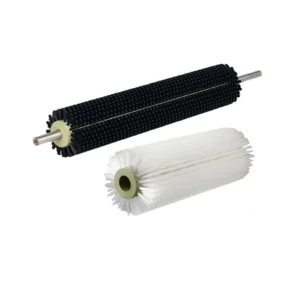
When the bristle length falls below 70 percent of the original specification, the brush can no longer maintain proper contact pressure with the belt surface. Below 50 percent, it is effectively useless.
A new industrial conveyor cleaning brush typically ships with a specified trim length that matches the application. For most belt cleaning applications, this falls between 40 mm and 80 mm depending on brush diameter and belt width. The manufacturer sets this length so the bristle tips reach the belt surface with enough flex to sweep material off without gouging.
How Wear Affects Both Length and Stiffness
As the brush runs, two things happen to the filaments. They abrade from the tip down against the belt surface. They gradually take a permanent set, bending in the direction of belt travel instead of standing straight. Both effects reduce the effective cleaning reach. When filaments shorten by 30 percent, the tips make lighter contact. When they shorten by 50 percent, gaps open up between the bristle tips and the belt, and material slides right through.
A Simple Measurement Routine to Track Brush Life
A simple way to track this is to record the trim length of a new brush during installation and check it monthly with a caliper. Compare the measurement to the original spec. If the brush has lost 30 percent or more, order a replacement and plan the swap. If one section of the brush is wearing faster than the rest, that points to a loading imbalance or a mounting alignment issue that should be corrected before the new brush goes in.
Why Filament Material Affects Wear Rate
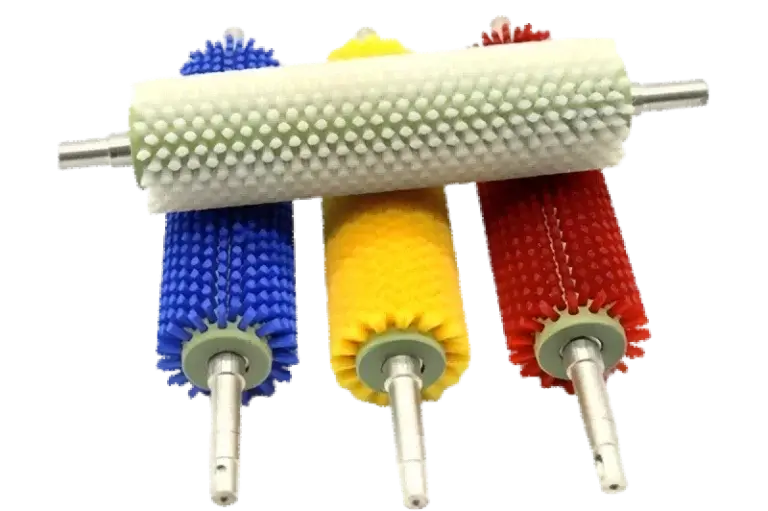
Different filament materials wear at different rates, and matching the material to the conveyed product makes a measurable difference in brush life.
A nylon 612 filament in a wet food processing line may hold 70 percent of its length after six months. The same brush running against sharp limestone dust in a quarry may hit 50 percent in three months. For operations running custom-sized cleaning brushes, filament selection should be part of the specification conversation with the manufacturer. The right material for the application stretches the replacement interval and keeps cleaning performance consistent.
Sign 2: Carryback Is Accumulating on the Return Side
What Carryback Indicates About Brush Performance
Carryback is the material that sticks to the belt past the head pulley and drops off along the return run. When carryback starts piling up under the conveyor or caking onto return rollers, the brush has stopped doing its job. If the brush mounting and contact pressure check out, the filaments have worn past the point where they can effectively remove material.
This sign often shows up before the filaments look obviously short, especially with fine or sticky materials. A brush with bristles that look acceptable to the naked eye may have lost enough stiffness that it deflects on contact instead of flicking material off. The brush sweeps across the belt surface without actually dislodging anything.
How to Diagnose and Confirm the Issue
The evidence shows up fast. Return rollers develop a coating of fines. Material accumulates in piles below the conveyor frame. Belt mistracking begins as the uneven buildup on rollers pulls the belt to one side. In food processing, this carryback becomes a sanitation issue. In mining, it becomes a fire hazard when combustible dust collects around hot bearings.
Operators can run a simple check. Clean the return side thoroughly. Run the line for one shift. Then measure what comes back. Compare that to the baseline when the brush was new. If carryback has doubled or more, the brush is the likely cause. Before ordering a replacement, verify that the brush is still making proper contact by checking the mounting brackets and adjusting tension if needed. If contact is good and carryback is still high, the filaments have lost their effective stiffness and the brush needs to go. A closer look at how a conveyor cleaning brush is supposed to reduce carryback makes the performance gap clear.
The Cost of Ignoring Carryback
Carryback is not just a housekeeping problem. It sets off a chain of failures that cost far more than a replacement brush.
- Return roller damage: Material buildup on rollers creates uneven diameters that pull the belt off track. A single seized return roller can ruin a belt splice within days.
- Belt mistracking: When the belt wanders, edges rub against the frame. Edge wear cannot be repaired. The belt must be replaced or re-spliced.
- Increased cleanup labor: Someone has to shovel what falls. In multi-shift operations, this labor cost alone often exceeds the price of a new brush within a few weeks.
- Safety and compliance risk: Accumulated material creates slip hazards, dust exposure risks, and, in food plants, potential audit failures.
Replacing a worn brush costs a fraction of any one of these outcomes. The economics favor early replacement every time.
Sign 3: Unusual Noise or Vibration Around the Brush Assembly
What Noise and Vibration Reveal About Brush Condition
A properly functioning conveyor cleaning brush runs quietly. Thumping, scraping, rattling, or squealing sounds near the brush mounting point are reliable indicators that something is wrong. In most cases, the noise comes from uneven filament wear, a bent core, or a bearing starting to fail, and all three point toward replacement.
The sound a brush makes changes as it wears. New brushes produce a steady whisper of bristle tips against the belt. Worn brushes develop character. A rhythmic thumping usually means filaments on one side have worn shorter than the other, creating an imbalance. Scraping or grinding can mean the brush body is contacting the belt because the bristles have worn too short. A high-pitched squeal often indicates dry bearings or a shaft running off-center.
Vibration is just as telling as noise. If operators feel vibration through the mounting frame or see the brush assembly shaking during operation, the brush has likely developed flat spots or uneven filament density. This happens when material loads unevenly across the belt width, and certain sections of the brush do more work than others. The result is a brush that looks like a cam instead of a cylinder, and each rotation sends a shock through the mounting hardware.
Diagnosing Whether the Noise Comes from the Brush or the Bearings
Before pulling the brush, confirm the noise source. A quick field check:
Run the conveyor with the brush engaged and note the noise pattern.
Disengage the brush from the belt (lift it away if the design allows).
Run the brush motor independently if it is powered. If the noise goes away when the brush is not touching the belt, the brush is the problem. If the noise continues even with no belt contact, the bearings or motor are the issue, and replacing the brush will not fix the noise.
When Replacement Is the Only Solution
If the diagnosis points to the brush, do not try to “dress” the filaments by trimming them to even length. Dressing a brush that has already lost significant filament length just shortens the remaining life further. Replace it.
Sign 4: Uneven Cleaning Leaves Dirty Streaks Across the Belt
A conveyor cleaning brush in good condition cleans the entire belt width uniformly. When it leaves clean strips alongside dirty ones or a clean center with dirty edges, the brush has developed uneven wear. Replacing it restores full-width coverage immediately.
Uneven cleaning patterns develop for several reasons. The conveyor may load material off-center, concentrating wear on one section of the brush. The brush mounting angle may shift over time from vibration or loose fasteners. Certain filament sections may contact more abrasive or sticky material than others. On OEM conveyor cleaning brush installations where the brush was specified for a particular belt profile, a change in the conveyed product without updating the brush spec can also cause uneven wear.
The pattern tells you what went wrong
For food production lines running food-grade conveyor cleaning brushes, uneven cleaning creates more than a maintenance headache. It creates a contamination risk. Material left on one side of the belt can harbor bacteria and transfer to product on the next pass. Food safety auditors flag inconsistent belt cleaning as a critical control point gap.
Why Partial Cleaning Is Worse Than No Cleaning
A brush that cleans only part of the belt width creates a false sense of security. Operators see the clean sections and assume the brush is working. Meanwhile, the dirty sections are depositing material onto return rollers, building up uneven diameters that steer the belt off track. By the time the uneven cleaning becomes obvious enough to notice, the belt tracking has already been compromised. Replacing the brush at the first sign of streaking prevents this cascade.
Sign 5: Filaments Are Breaking Off or Falling Out
When a conveyor cleaning brush starts shedding bristles, it has reached the end of its service life. Loose filaments in the product stream, on the floor, or tangled around the brush shaft mean the brush body or backing channel is failing. At this stage, replacement is urgent.
Filament loss happens through two mechanisms. The first is fatigue fracture: individual bristles bend back and forth millions of times until they snap at the base. The second is channel failure: the metal or plastic backing strip that holds the tufts opens up from corrosion or mechanical stress, and entire tufts fall out.
In either case, the consequences go beyond lost cleaning performance. Loose filaments can end up in the conveyed product, which is a serious problem in food, pharmaceutical, and recycling applications. Filaments can wrap around idler shafts and seize bearings. They can wedge between the belt and the pulley, causing belt damage. And on conveyors with belt rip detection systems, stray metal from a failed brush channel can trigger a false rip signal and shut down the line.
Once filament loss becomes visible during routine inspection, the brush should be replaced before the next production run. Running a shedding brush to “get a few more shifts” out of it risks damage orders of magnitude more expensive than the brush itself. Techniques for extending brush lifespan are useful during normal operation. Once filaments are falling out, those techniques no longer apply. The brush is done.
What a Properly Functioning Brush Looks Like
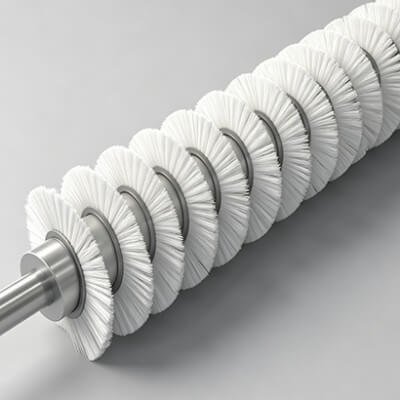
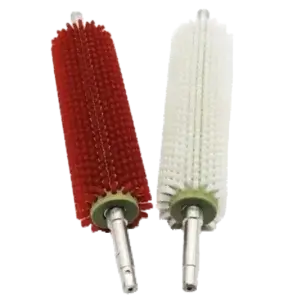
Knowing the signs of failure is half the picture. Knowing what healthy looks like makes the contrast obvious. A new or properly maintained conveyor cleaning brush has these characteristics:
- Filaments stand straight and uniform across the full face width.
- Trim length matches the original specification within a few millimeters.
- Contact with the belt surface is light and even from edge to edge.
- Rotation is smooth with no vibration, thumping, or scraping sounds.
- No carryback is visible on the return side after a full shift.
- The brush body and mounting brackets are clean, tight, and free of corrosion.
Monthly inspections that compare the current brush to this baseline make the replacement decision straightforward. When the brush falls short on any one of these points, schedule the swap. When it falls short on two or more, do it immediately.
Summary
Conveyor cleaning brushes are wear parts that tell you when they are done. The five signs covered here are filament shortening past 30 percent, rising carryback on the return run, noise and vibration at the brush assembly, streaky or uneven belt cleaning, and filaments breaking off or falling out. Each one is a clear signal that the brush is no longer delivering the cleaning performance the conveyor needs.
Waiting to replace a worn brush does not save money. It shifts costs from a planned brush replacement to unplanned repairs to belts, rollers, and bearings, plus cleanup labor, all of which are more expensive. The right approach is to inspect brushes on a fixed monthly schedule, measure what matters, and swap them before the secondary damage begins.
Frequently Asked Questions
Q1: Does a new brush need a break-in period?
Yes. Most new brushes require a few hours to one shift of break-in to conform to the belt surface. Monitor performance closely and adjust contact pressure if needed.
Q2: Can brush speed be adjusted?
Yes. Most brushes use VFDs for speed control. Higher speeds increase cleaning but accelerate wear. Record optimal settings with new brushes and maintain them on replacements.
Q3: What is the correct mounting angle?
Set the brush at a slight angle against the belt travel direction for effective sweeping. Too steep increases wear; too shallow reduces cleaning. Follow manufacturer guidelines.
Q4: Should bearings be replaced with the brush?
Inspect bearings and hardware during replacement. If the old brush had noise or vibration, replace bearings. Check brackets for damage to ensure stable mounting for the new brush.