
A high-performance fruit cleaning brush would not be just a consumable part; it would directly affect cleaning efficiency, fruit surface quality, hygiene safety, and equipment uptime. In most industrial fruit-washing lines, it’s this brush that determines whether the final product looks polished or damaged and whether the process stays stable or turns into a maintenance headache.
The first and most important rule for the best selection is to match the brush with the fruit and the working environment. A good brush for cleaning fruit should be able to clean well, resist moisture, be free from any form of contamination, and keep its shape under continuous rotation. For most manufacturers and processing plants, this means paying close attention to bristle hardness, material safety, construction without shedding, and the shaft core.
When equipment buyers compare different options, roller-style brushes are often the top pick because they facilitate steady rotary cleaning in wet, high-load production settings. In many lines, this type of brush also works well for vegetable processing when the same machine handles mixed produce.
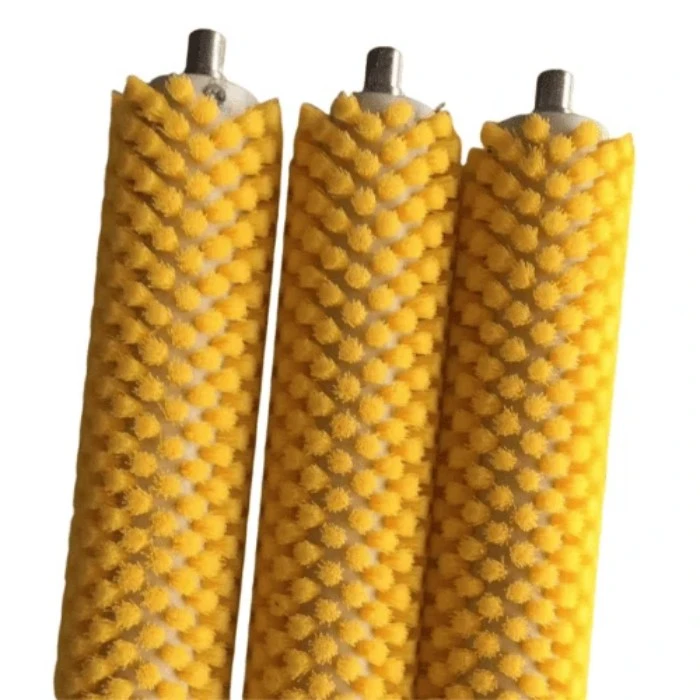
The 4 Key Factors for Choosing an Industrial Fruit Cleaning Brush
1. Match Bristle Hardness to the Type of Fruit
This is the most crucial point of selection. Because different fruits can bear friction differently, improper bristle hardness would lead to either weak cleaning or visible surface damage.
Since these fruits have natural wax or applied coating, a good fruit cleaning brush should be able to remove the wax, pesticide residue, and dirt without damaging the peel. In practice, this degree of hardness tends to give the best cleaning result for most commercial fruit packing lines.
For peaches, tomatoes, berries, and other delicate produce, softer bristles are safer. It is recommended to use soft nylon or PBT filaments to reduce scratch risk and protect thin skin. Aggressive brushing usually creates more loss than benefit on fragile produce, so a gentler fruit cleaning brush usually pays off in yield protection.
2. Use Food-Grade, Antibacterial Materials
The washing workshops for fruits and vegetables retain humidity for a long time; hence, the material used is very important. The brush should be moisture-resistant and should not allow bacteria to grow. This is why many institutions prefer antibacterial nylon, polypropylene, or some specific natural bristles.
An ideal material would be one that resists water absorption and stays stable after repeated washings and sanitations. A good fruit cleaning brush will help maintain hygiene, reducing the risk of microbial buildup in daily production. For many plants, this single decision impacts both food safety and maintenance frequency.
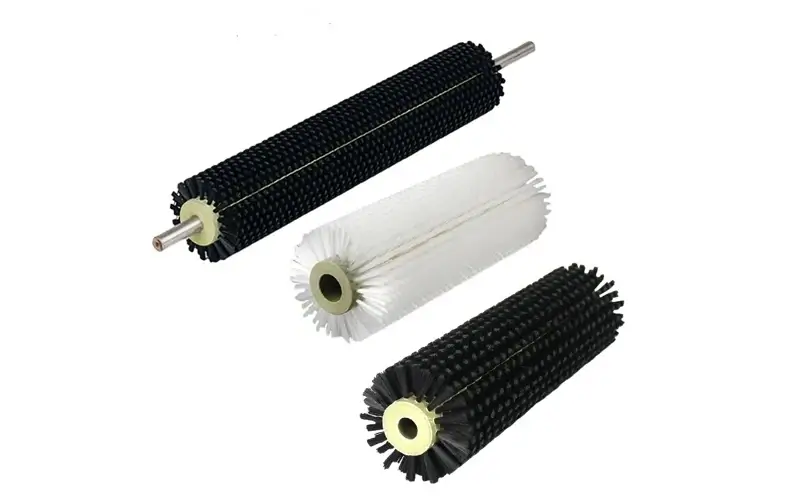
3. Anti-Shedding Design Protects Food Safety
The most common risk associated with the choice of brushes is bristle loss. Most low-cost brushes are fixed with weak anchoring methods; therefore, after a few days of operation, filaments start falling out. From there, the line is at risk for contamination, product complaints, and potentially rework.
A safe fruit cleaning brush should incorporate safe end treatments, such as crimp-ring sealing, hot-melt sealing, or double-end locking, which keep the filaments in place even under continuous wet contact and high-speed rotation. Common anti-shedding features include crimp-ring sealed ends, hot-melt adhesive sealing, and double-end locked filament retention. They should also be packed tightly to ensure stable brushing. To B2B buyers, this detail is not something cosmetic — it’s a direct issue of food safety.
4. The Shaft Core Must Be 304 Stainless Steel
This shaft forms the main structural support in wet conditions of high loads during the washing of fruits. Should the core bend, then the entire roller shall be thrown off balance, and the brush will probably fail early; it may also cause further damage to the bearings and other parts of the machine.
The best fruit cleaning brush should have a core of a 304 stainless steel shaft. This will resist corrosion, remain stable under pressure, and handle continuous rotation far better than lower-grade alternatives. For facilities with long operating hours, this often decides whether the brush will last the season or fail halfway through production.
Premium Fruit Cleaning Brushes vs. Low-Cost Alternatives
A good brush may appear costly at the start, but it will minimize the overall cost of operation. Cheaper options may look attractive at the time of purchase, but most of the time, they lead to more losses due to fruit damage, frequent replacement, contamination risk, and machine wear.
| Item | Premium Brush | Low-Cost Alternative |
| Bristle fit | Matched to the type of fruit | Generic hardness |
| Hygiene | Antibacterial and non-absorbent | Moisture-prone |
| Bristle retention | Has a strong anti-shedding structure | Loose filament anchoring |
| Shaft core | 304 stainless steel | Easy to bend or prone to corrosion |
| Service life | Longer and more stable | Shorter and less reliable |
| Operating risk | Lower | Higher |
For buyers who care more about output sameness, a high-quality fruit cleaning brush often proves a better long-term investment since it boosts cleaning efficiency, supports regulatory compliance, and cuts downtime.
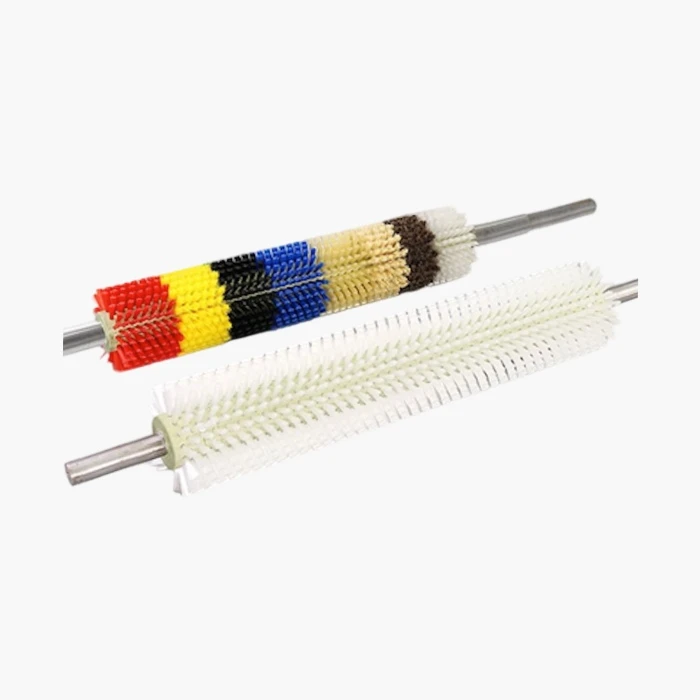
Practical Buying Advice for Equipment Teams
In the choice of a brush for a new line or replacement order, procurement should first check:
- Fruit type and sensitivity of peel
- Intensity of cleaning required
- Exposure to water and the schedule for cleaning
- How filaments hold together
- What the shaft is made of and if it will resist corrosion
- Compatibility with the existing Cylinder Rotary Brush system
If the production line also handles mixed produce, you may want to look at the Vegetable Cleaning Brush option in comparison with those focused on fruits. For many factories, the customized roller setup presents better flexibility than the one-size-fits-all solution.
Buyers can explore related resources such as custom brush guides, specification overviews, and application-specific articles to help narrow down their options before ordering.
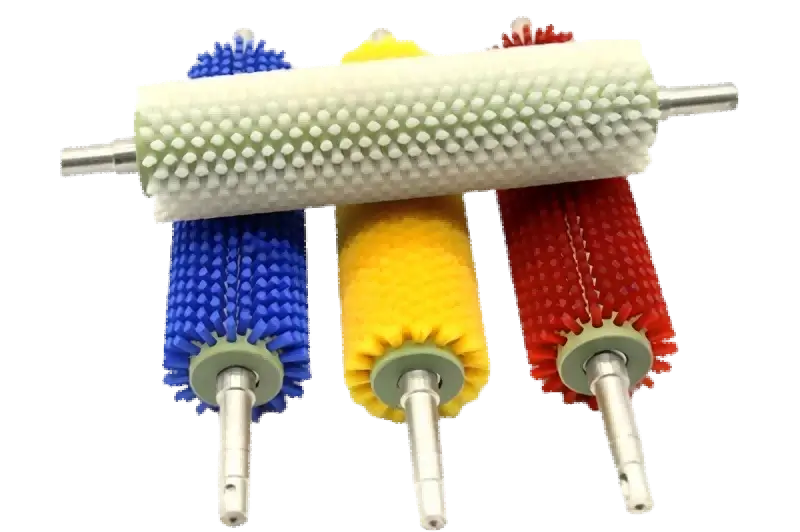
Conclusion
The ideal industrial brush should carry out four functions effectively: cleaning, protecting the fruit’s surface, inhibiting bacterial growth, and maintaining structural stability under wet conditions. Other more important features to consider include bristle hardness, food-grade materials, construction to prevent shedding, and a 304 stainless steel shaft — all more important than price alone.
Industrial buyers need to play it safe and match the brush to the fruit and the machine — not just the catalog description. This is particularly relevant in the case of Nylon Cylinder Brushes and other roller brush types for continuous production.
FAQ
Which Types of Fruit Need Softer Brush Bristles?
Normally, soft nylon or PBT bristles work well with sensitive fruits like peaches, tomatoes, and berries to prevent any scratching or surface damage.
Why Is Bristle Shedding So Important?
Loose filaments can lead to contamination of food as well as complaints about quality; in some cases, even the production has to be stopped, so it is very important to have anti-shedding construction.
Do We Really Need the Shaft to Be of 304 Stainless Steel?
Yes, it helps in wet fruit washing lines to prevent bending, corrosion, and premature failure, which in turn will improve brush life and machine stability.