Choosing the right cleaning roller brush affects production speed, finish quality, and long-term maintenance costs. Facility managers can easily miss how much the brush influences the rest of the operation. This guide covers the main brush types and the buying details that help avoid unnecessary expense.
Why the Cleaning Roller Brush Matters in Production
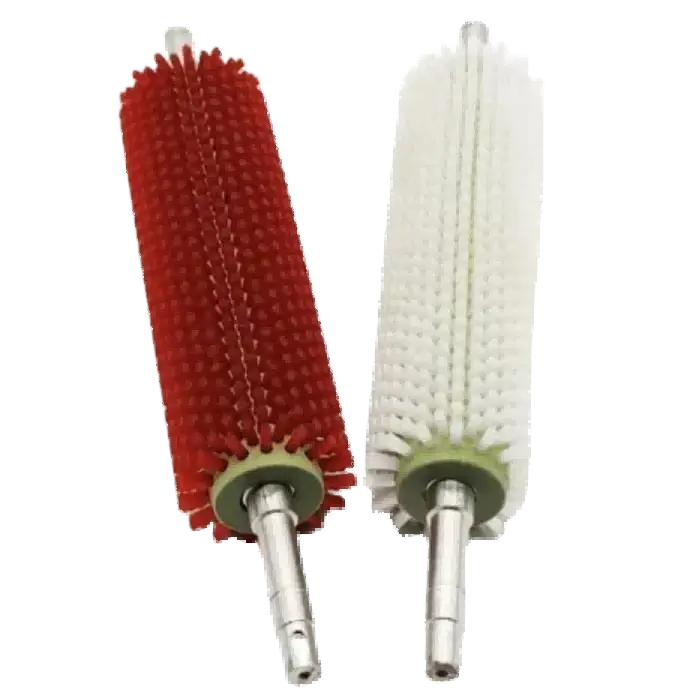
The wrong cleaning roller brush can cause problems from the start: uneven surfaces, rapid wear, higher replacement costs, and sometimes damage to the finished product. Food processing, packaging, glass, and textile operations all require brushes that can withstand continuous heavy use. Experienced operators know that choosing the right one helps prevent unplanned downtime.
Main Industrial Cleaning Roller Brush Types
Three roller brush designs handle most production-line cleaning work. Choosing among them comes down to the residue, the surface being cleaned, and how the production line operates.
Nylon Cylinder Brush
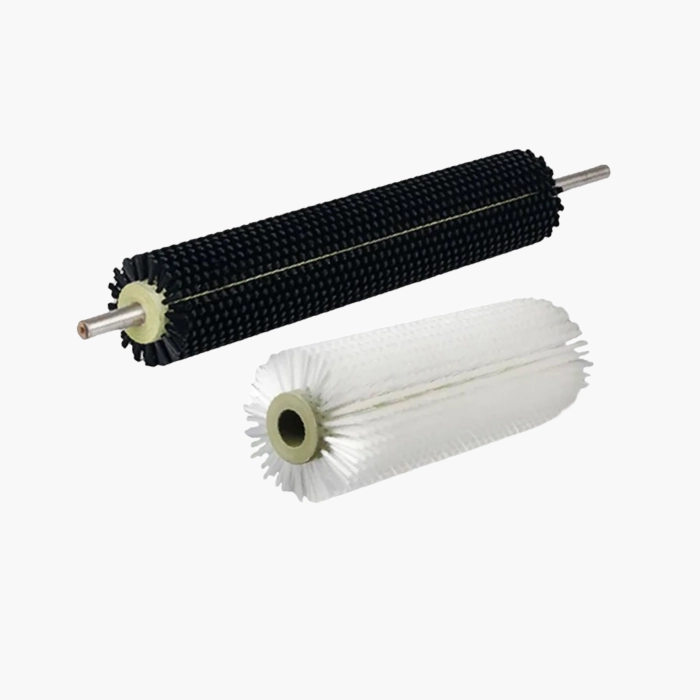
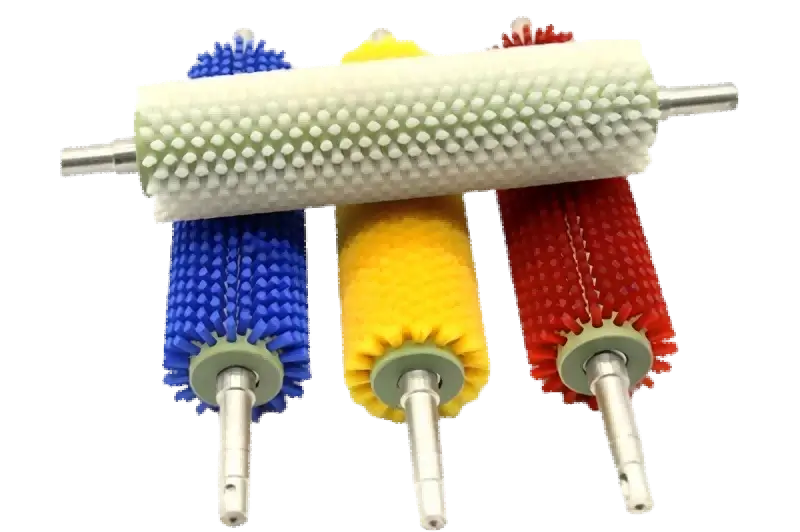
Nylon Cylinder Brushes are a dependable choice for regular cleaning. Their bristles resist chemicals and moderate heat while remaining flexible for thousands of operating hours. Food-processing machinery and surface-cleaning equipment often use these brushes to remove light or moderate debris without scratching the surface.
Nylon Tufted Cylinder Brush
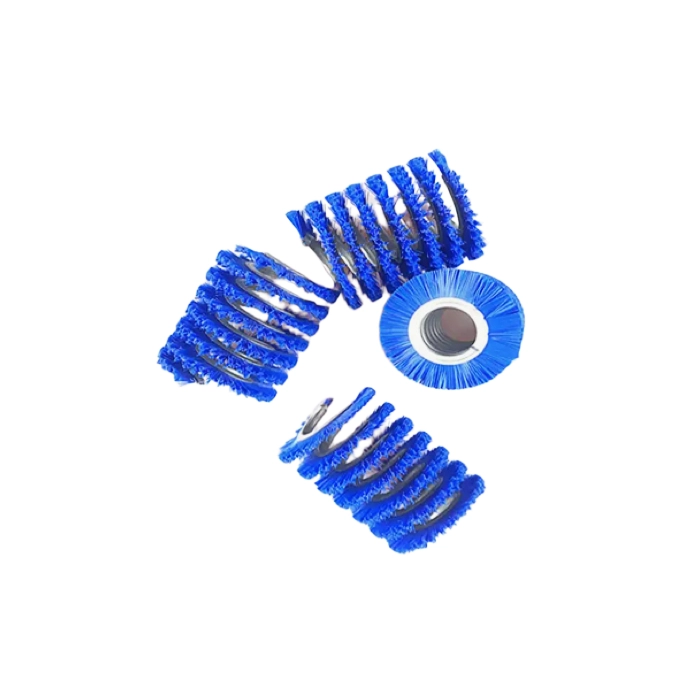
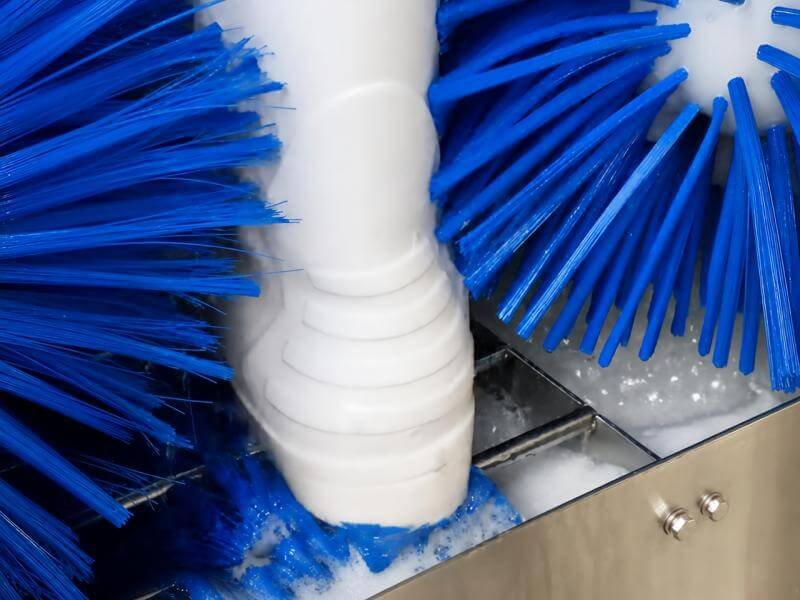
A quick pass will leave stubborn residue behind. Bristles arranged around the roller core press firmly against the surface, breaking up compacted dust and buildup. In facilities with strict hygiene requirements, operators often install these Nylon Tufted Cylinder Brushes on Boot Washer Machines for a more thorough clean.
Cylinder Rotary Brush
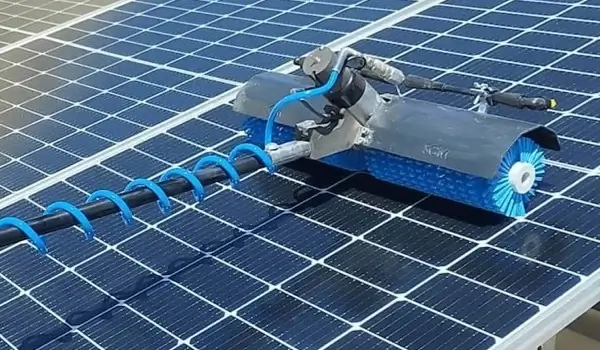
The cylindrical brush’s spiral filaments sweep across the workpiece as it turns, maintaining steady contact. That even pressure suits polishing, deburring, and fine finishing—particularly in metal, wood, or glass facilities where other brush designs may leave a less uniform surface.
Choosing the Right Cleaning Roller Brush
Start with the production line and the machine that will hold the brush. Two details matter most:
Procurement teams should first define what the brush needs to do. From there, they can rule out materials that do not fit the application or cannot handle the expected mechanical stress, then compare the remaining options.
Choosing Brush Types for Common Uses
The production environment determines which brush design fits best. On food-processing conveyors, a Nylon Cylinder Brush clears debris from the belt without scratching the machinery or contaminating the product.
For hygiene entrances, Tufted cylinder brushes scrub boot soles effectively and work well in Boot Washer Machines.
A Cylinder Rotary Brush with abrasive-filled filaments removes burrs from metal sheets, even when the equipment operates at high speed.
Soft nylon bristles remove dirt from glass without scratching or harming the surface. On textile lines, densely packed rotary brushes pick up lint and fine particles as fabric moves past.
Performance varies with line speed, the type of contamination, and surrounding conditions. Even so, these brush combinations give procurement teams a practical starting point.
Practical Tips for Long-Term Brush Performance
Check the Cleaning Roller Brush monthly. If the bristles look worn or the brush no longer cleans well, replace it. Clear away residue often; once it dries, it can bend the bristles and reduce the brush’s effectiveness.
Store spare brushes somewhere dry and temperature-controlled, away from direct sunlight. Check the replacement against the machine’s permitted dimensions before installing it; a proper fit helps avoid unplanned line stoppages and may reduce cleaning costs per unit over time when brushes are replaced on schedule.
FAQs
Which Cleaning Roller Brush works best on food-grade conveyors?
For most food-grade conveyor systems, an FDA-compliant Nylon Cylinder Brush is the right choice. The soft bristles clear away debris gently, protecting products while meeting strict hygiene standards.
How often should production lines replace roller brushes?
Under normal operating conditions, most facilities change roller brushes every three to six months. Heavy debris and long daily shifts can shorten that interval.
Can one brush handle both cleaning and polishing?
Usually, no. Stiff bristles remove debris more effectively, while fine filaments leave a smoother finish. Choosing the brush that matches the job makes a noticeable difference.