The Right Brush Makes All the Difference
When finishing work takes longer, creates more surfaces for damage, and has greater overall manufacturing costs, it is likely that the wrong brush type was used. Sandpaper brushes will not be considered commodities by manufacturers and finishers, but are instead seen as precision tools that heavily impact the quality of finished products. It is imperative that buyers understand the differences between brush types so they can acquire their brushes from the most appropriate source possible.、
What Is a Sandpaper Brush, and Why Does It Matter
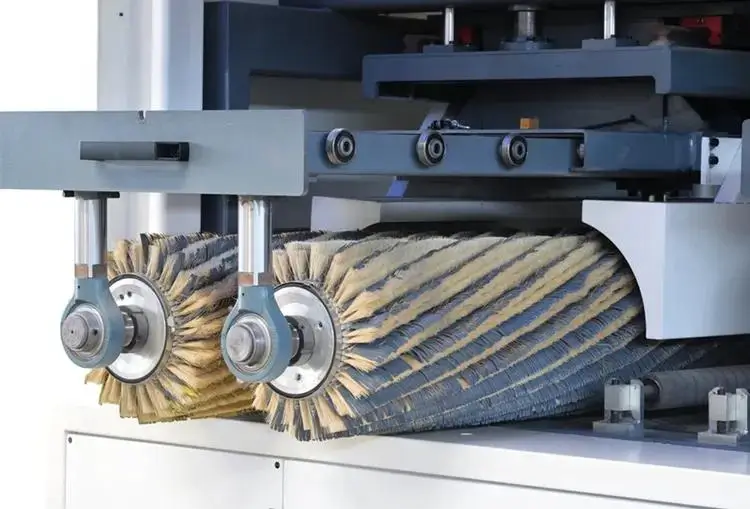
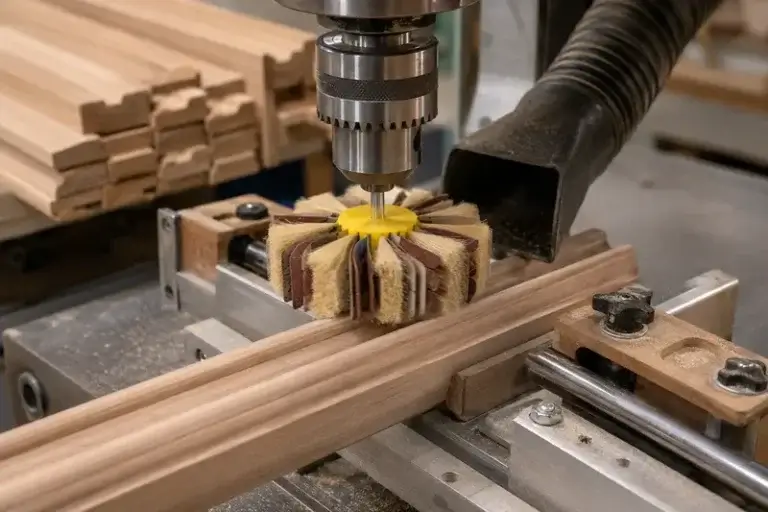
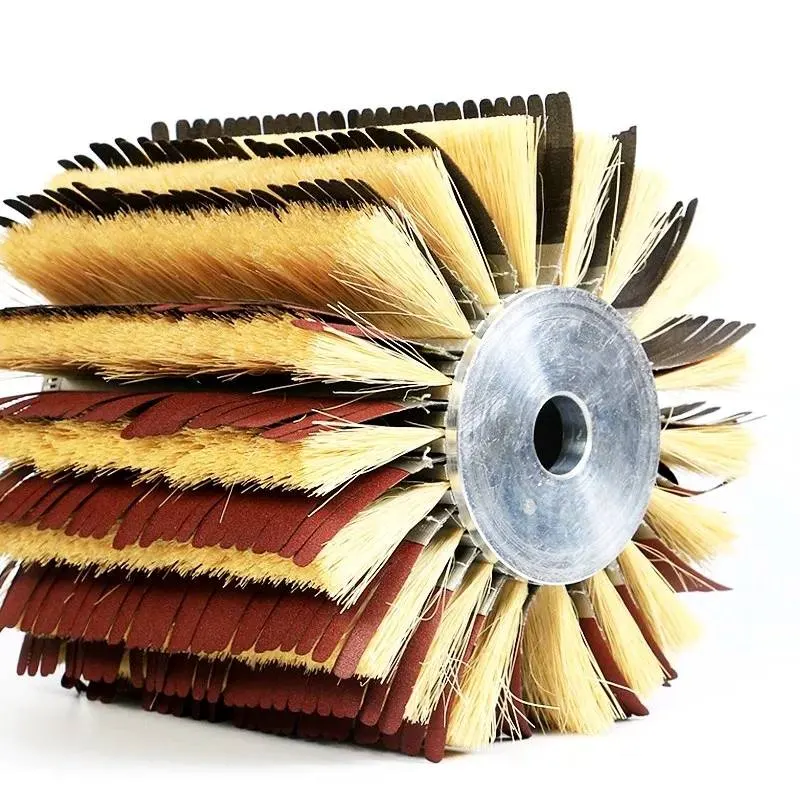
The initial step in evaluating the various alternatives is to learn how the tool works. A sandpaper brush typically refers to a brush — cylinder or roller — having abrasive impregnated in or around the base of the brush. Sandpaper brushes have a variety of uses in industrial applications, including sanding, deburring, and conditioning surfaces on fully automated or semi-automated manufacturing lines.
For those new to the category, a quick review of the sandpaper brush overview provides useful background on how these tools function across different industries.
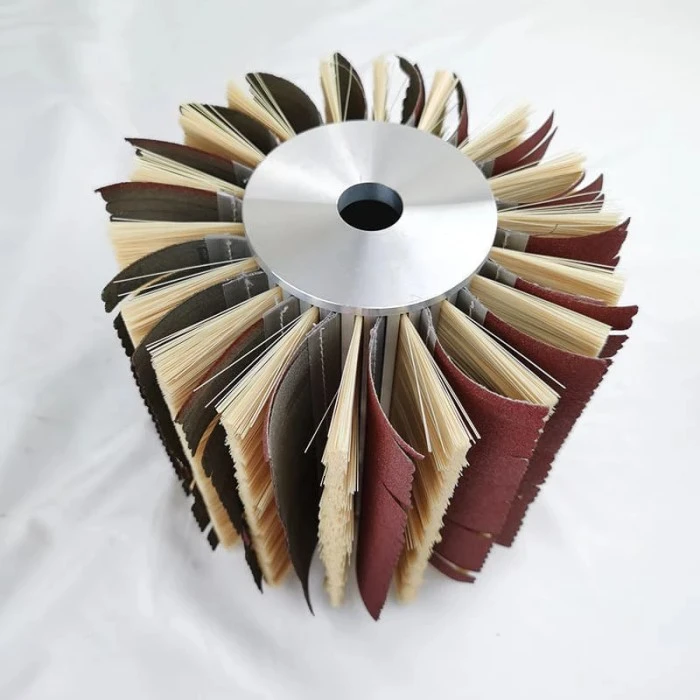
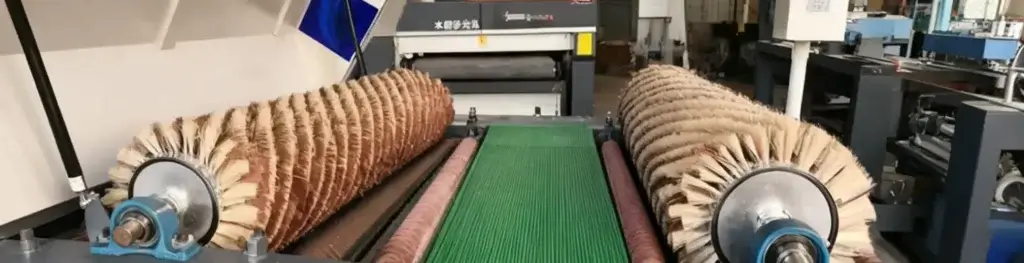
The sisal brush is a type of cylinder brush made from naturally occurring plant material — the sisal plant. They are utilized in both sanding and polishing processes, and they are ideal for cleaning up uneven surfaces because their fibrous construction allows them to hold onto abrasive materials better than other brush types. They also produce a uniform finish over irregularly shaped or curved items.
Key Factors to Consider When Choosing a Sandpaper Brush
1. Brush Material
Material choice drives everything else. The two main categories are:
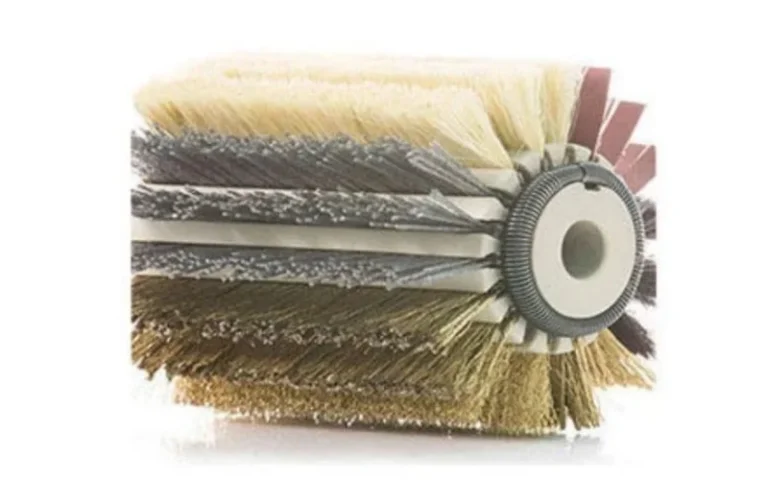
- Sisal, tampico, and horsehair natural fiber brushes work great for polishing, light finishes, and the application of wax to wood surfaces. Sisal has a unique quality in that it is naturally hard and holds abrasives very well.
- Nylon, polypropylene, or abrasive nylon are more suitable synthetic fiber brushes for wet locations or jobs that require aggressive deburring.
When a fine and uniform finish is needed on wood, metal, or composite surfaces, sisal will deliver superior performance compared to most other materials available today.
2. Brush Form: Cylinder vs. Disc
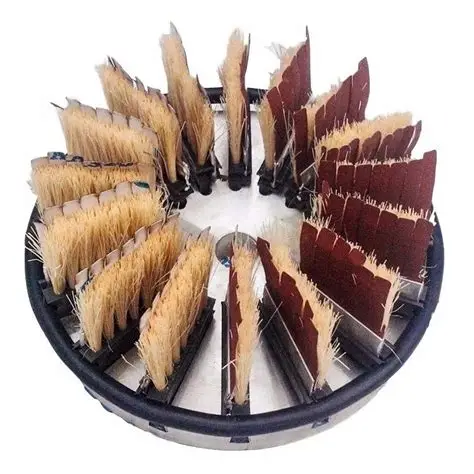
Utilizing the entire cylindrical length from one end to the other of the work part, a cylinder polishing brush is an ideal choice for use with continuous linear production lines or applications utilizing conveyors. Meanwhile, disc brushes may still be an option for fine finishing or corner work.
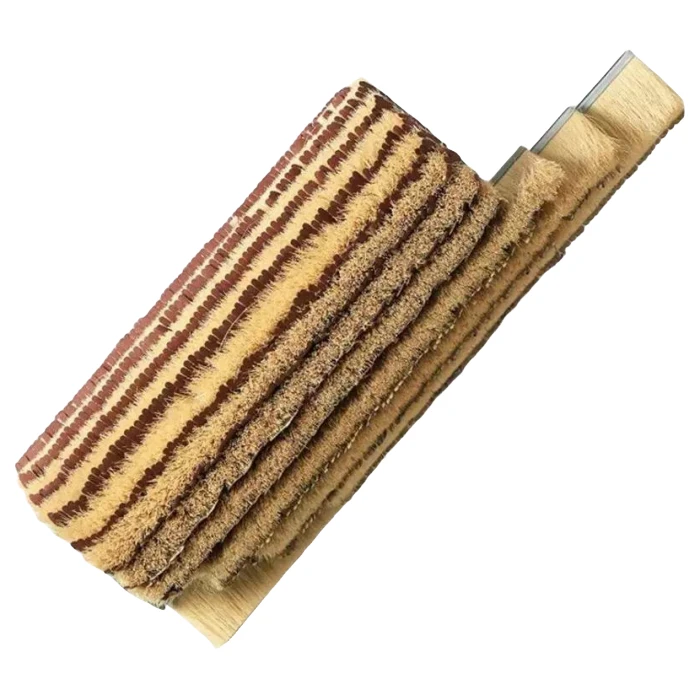
When considering high-volume automated finishing, the cylinder format typically delivers a more consistent polished surface with faster throughput.
3. Fiber Density
The density of fibers in the brush not only changes how aggressive the brush is, but also how good a finish can be achieved. Higher density brushes have more contact points with each revolution, creating a finer surface finish. Lower density brushes allow better penetration into grooves and textured surfaces.
Choosing the correct density can be challenging. The custom sisal cylinder brush density guide can assist with choosing what type of brush will produce the desired result by practically breaking down each surface type and finish.
4. Brush Size and Shape
With any brush used, the dimensions of the brush should correspond to the machine and the width of the workpiece:
- The length of the brush should not be longer than, or extend more than half an inch past, the width of the workpiece
- The spindle diameter must match the diameter of the brush to meet standard specifications
- The larger the diameter of the brush, the less speed is required because of the increased surface area
Before placing an order for a brush, always check the bore and keyway dimensions for the mounting shaft to ensure they conform to your requirements.
5. Grit Level of Abrasive Compound or Embedded Grit
The table below provides the recommended material based on processing stage for grit-level brushes:
| Grit Range | Processing Stage | Preferred Material |
|---|---|---|
| 60–80 | Heavy Stock Removal | Steel Wire / Coarse Sisal |
| 100–180 | General Sanding | Sisal Sanding Brush |
| 220–320 | Fine Finishing | Sisal Cylinder Brush |
| 400+ | Polishing / Buffing | Soft Sisal / Tampico |
Matching the grit size to the stage of processing helps avoid over-processing and defects in the final surface.
Professional buyers have made the same mistakes repeatedly when buying finishing brushes:
- Buying only based on price — a lesser-priced brush may be less expensive upfront, but the cost will be much greater when it fails to produce the expected product quality
- Failure to consider RPM compatibility — running a brush at a speed above its rating will shorten the life of the brush
- Not factoring in workpiece material — a wood brush will perform differently than an aluminum or stainless steel brush
- Skipping density testing — a brush may work well for a certain application, but upon applying it to others, may need adjustment to its density
Selecting the Proper Type of Brush for the Application
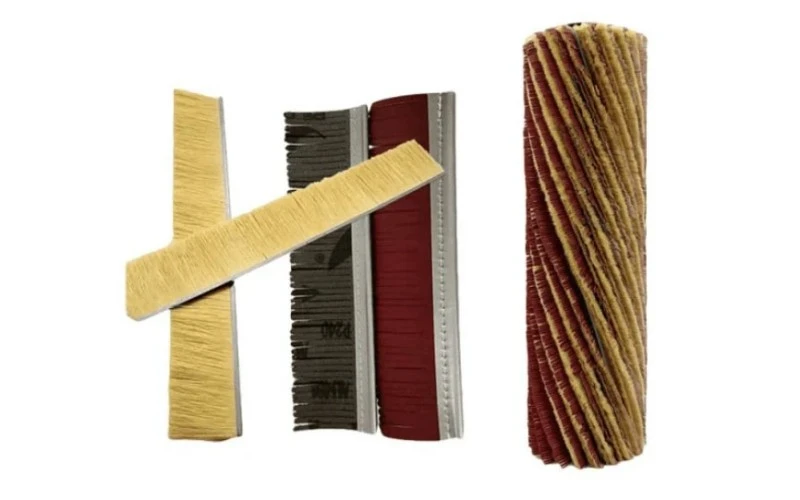
Many users of sandpaper brushes use them differently across various industries. Some examples include:
- Furniture and flooring — sisal cylinder brushes improve wood grain and prepare surfaces for lacquer finishes
- Metal fabrication — cylinder brushes are utilized for deburring stamped and laser-cut metal products
- Composite panels — fine-fiber brushes prepare surfaces before gluing, coating, or painting
The application conditions — whether working wet or dry, speed range, and number of passes — will enable you to rapidly eliminate products that will not be suitable for your project.
Why Sisal Continues to Be the Industry Standard
Sisal has consistently been rated very highly by production managers as a natural fiber because of its stiffness coupled with flexibility, even distribution of abrasive compound, and lower heat retention than most synthetic alternatives. A properly constructed sisal cylinder brush holds its shape longer, meaning automated machinery requires fewer brush change-outs.
For operations requiring customization, sisal also accepts density and diameter adjustments more readily than rigid synthetic materials.
Conclusion
Material, form, density, and grit size are four key considerations when selecting an appropriate sanding brush. By comparing these specifications against each individual application, you will achieve an exceptional finished product, longer brush life, and lower finishing costs per piece. When uncertain, partnering with a manufacturer that provides custom specifications remains the best path to finding the right solution.
FAQ
Q1: Are Sisal Cylinder Brushes Customizable to Specific Machine Dimensions?
Yes. Most brush suppliers offer options for diameter, length, and bore size. Providing machine and workpiece specifications ensures brushes fit properly and perform optimally.
Q2: What Is the Minimum Order Quantity for Wholesale Sandpaper Brush Orders?
The typical minimum order quantity ranges between 50 and 200 pieces, depending on the supplier. Orders with custom specifications such as non-standard diameters or bore sizes generally carry a higher minimum order quantity.
Q3: How Many Hours Does a Sisal Brush Normally Last in a Production Situation?
The type of material used and the RPM at which the brush operates will determine its lifespan. Under typical operating conditions, a quality sisal brush will last from several hundred to many hundreds of hours before replacement is required.