
Brush material has a major effect on a golf ball washer’s performance. Bristles that are too harsh may scratch premium finishes, wear unevenly, and require early replacement. Soft nylon, suitable bristle density, precise sizing, and resistance to cleaning chemicals help remove dirt without harming the balls, while giving the brush a longer service life.
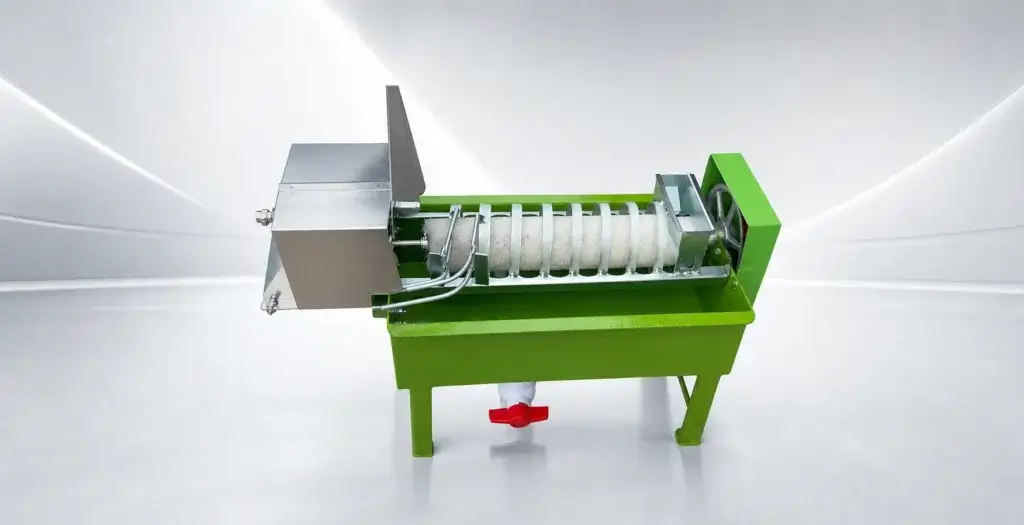
Why Golf Balls Get Scratched by the Wrong Brush Materials
Scratches usually appear when brush bristles stiffen, wear unevenly, or suffer chemical damage. Golf courses and driving ranges often catch the problem quickly because they wash hundreds of balls every day. Premium urethane-covered balls typically show damage before range balls do, making material choice important when one cleaning system handles both types.
1. Soft Nylon Protects Ball Surfaces
Nylon filaments remove dirt well while remaining gentle on the ball’s coating. Their flexibility matters: when they touch the surface, they bend rather than grind against it. Rigid synthetic bristles and wire brushes can scrape; nylon lifts debris away.
PA6 vs PA66 for Gentle Cleaning
PA6 and PA66 nylon are both safe for cleaning golf balls. PA66 is the stronger choice for washers that run continuously: it keeps its shape better after long contact with water, and its bristles spring back faster when bent.
Choosing the Right Bristle Diameter
Bristle thickness affects both cleaning power and the chance of marking the ball’s surface. For premium balls with delicate finishes, choose the gentler 0.15–0.20 mm option.
0.25–0.30 mm: The usual choice when working with mixed ball types.
Brushes thicker than 0.35 mm are generally unnecessary and may scratch the surface.
For most commercial jobs, a nylon cylinder brush with 0.25 mm filaments cleans effectively without creating pressure points that could leave marks.
How Softer Filaments Help Prevent Scratches
Soft filaments cover a larger area of the ball. As it spins through the brush, the bristles flex across the dimples rather than snagging them, lifting away dirt without damaging the paint or clear coat.
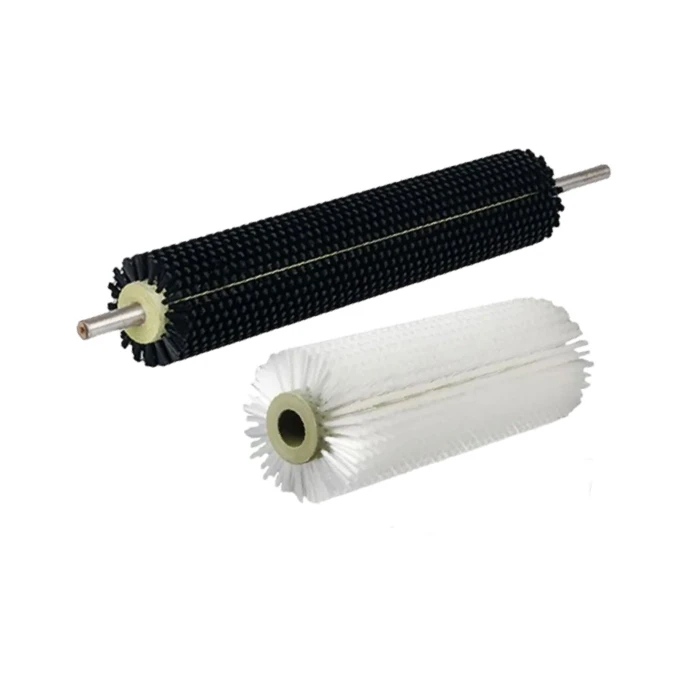
2. Custom Density Helps Prevent Damage
Bristle density determines how gently pressure meets the ball. When a brush has too few bristles, the force bears down on only a handful of spots, increasing the risk of scratches.
High-Density Nylon Cylinder Brushes Provide Consistent Contact
High-density nylon cylinder brushes distribute the load over hundreds of contact points. No single area takes excessive pressure, so dirt lifts away faster without rough treatment of the ball’s surface.
Spiral Trim for Full Coverage
The spiral layout keeps the bristle tufts in contact with the ball as it turns in the washer. Straight rows create gaps where dirt can linger, while the spiral guides that debris toward the drain rather than letting it settle on clean surfaces.
[H3] Why Low Density Creates Pressure Points
Sparse bristles bear too much pressure. They wear down quickly, clean unevenly, and can leave streaks on the ball. Flattening may show up early, signaling that the brush needs greater density.
Choosing Density for the Conditions
Brush density should match the washer’s workload and setting. A high-volume facility running the machine continuously may need 20–30% more density. For washers that handle different ball types, softer filaments with moderate density offer greater flexibility. Where hard water causes mineral buildup between cleanings, a denser brush can compensate.
Choosing the right brush density for these conditions helps the golf ball washer perform reliably.
3. Matching Size to Golf Ball Dimensions
A durable brush still works poorly if it does not fit inside the washer chamber. Too small, and it may miss parts of the ball; too large, and it can create excessive friction.
Custom Diameter for Cylinder Rotary Brush Efficiency
The brush diameter should match the chamber closely. A brush that is too small lets balls slip through as the cylinder rotates; one that is too large compresses the bristles, making them stiff enough to scratch the surface.
Optimizing Length for Batch Cleaning
A longer brush can help a batch washer clean balls faster. If it is too short to contact each ball properly, the same load may need multiple cycles; the right brush length removes most dirt in a single pass.
How Incorrect Sizing Causes Uneven Wear
Standard brushes rarely match the dimensions of commercial washers. The result is uneven contact: parts of the brush get crushed and wear quickly, while other sections barely reach the machine. A cylinder brush built for the chamber distributes the pressure more evenly across its bristles, extending its service life by 30–50% compared with an off-the-shelf model.
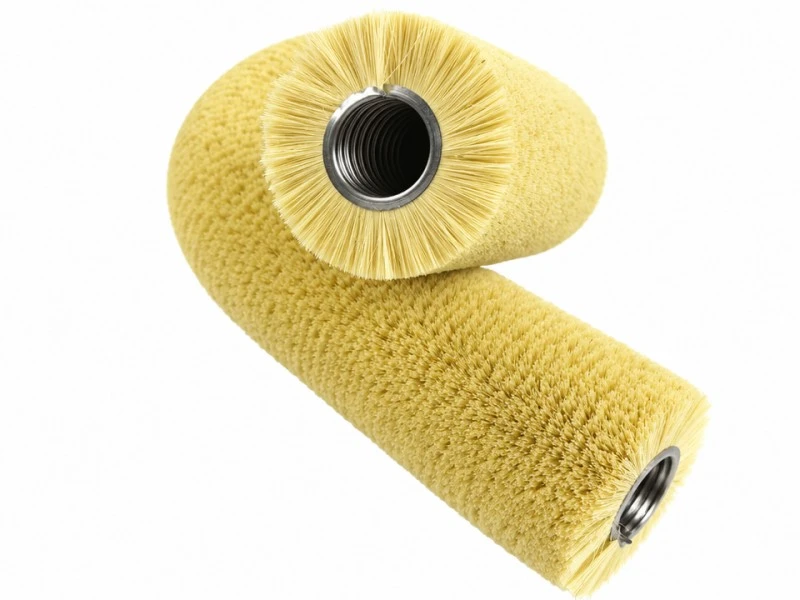
4. Chemical Resistance for Longevity
Golf ball washers depend on cleaning agents and sanitizers that can wear down some brush materials. Repeated exposure makes the bristles brittle and rigid, or leaves them too soft to scrub properly.
Why Nylon Holds Up Better Than PP
Polypropylene (PP) costs less than nylon, but alkaline cleaners (pH > 9), chlorine-based sanitizers, and water hotter than 60°C cause it to deteriorate faster.
Nylon remains dependable across more pH levels and temperature changes, which helps golf ball washers run reliably over time.
Why Custom Cylinder Brushes Hold Up Longer
Custom cylinder brushes are designed to match the cleaning solution, from the nylon grade and filament thickness to the brush’s density. Get that mix right, and the brush wears more slowly. Facilities that switch often double the time between replacements while achieving better cleaning results.
Resisting Sanitizer Degradation
Many golf courses add sanitizer to washer water to prevent mold and odors. Chlorine-based formulas can weaken PP bristles in just a few weeks, while PA66 nylon handles the exposure far better and still cleans well after hundreds of wash cycles.
Nylon Cylinder Brush vs. Other Materials: Safest for Golf Balls?
Commercial golf ball washers typically use nylon for good reason. Its bristles are soft enough to clean urethane and Surlyn covers without scratching them, yet they resist chemicals across common pH levels and hold their shape through repeated wet use. Manufacturers can also specify different bristle densities and diameters.
Wire brushes create a different problem: they scratch every type of golf ball and may leave rust behind when stored in humid conditions.
They are too rigid for newer ball coatings.
PP (polypropylene) has several weaknesses: alkaline cleaners may degrade it, hot water can soften it, and it tends to wear out faster in commercial use.
Natural fibers create their own problems. They absorb water, which can encourage bacterial growth, and their stiffness varies. They are now uncommon in modern applications.
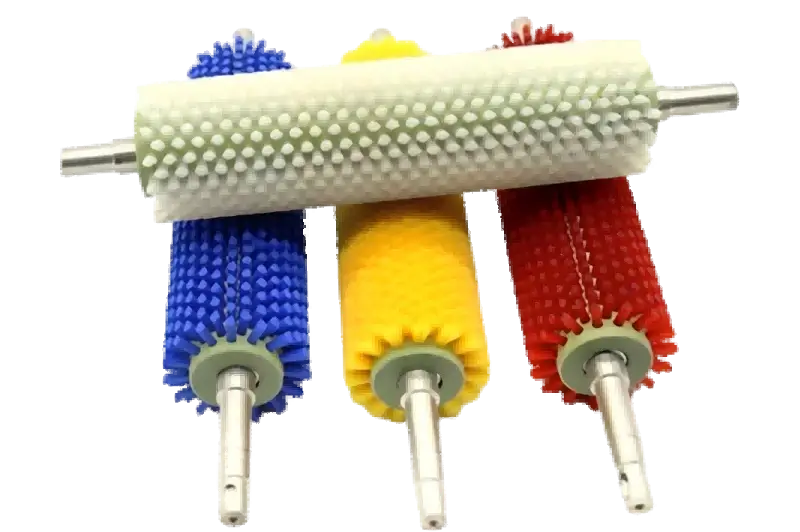
For clean results without scratching the balls, operators should use a washer brush made with high-grade nylon. The brush also needs the right dimensions and bristle density for the machine. A manufacturer offering full customization can match the material, size, and construction to the unit, improving cleaning while protecting the ball surface.
FAQs
Q1: Can one brush material work with both urethane- and Surlyn-covered golf balls?
Yes. PA6 or PA66 nylon, sized at 0.25 mm in diameter, is gentle on both covers while still cleaning each type of golf ball effectively.
Q2: How often should commercial facilities replace nylon golf ball washer brushes?
For facilities with heavy use, brushes typically need replacement every 8 to 14 months. When they stay wet during constant operation, PA66 nylon usually lasts close to 14 months.
Q3: The brush and the cleaning solution need to be considered together?
Strong alkaline cleaners and chlorine-based sanitizers may damage PP quickly, whereas nylon generally withstands them. Choose the brush material based on the solution’s chemistry.