Why Boot-Washer Machines Fail: The Cost of Worn Nylon Roller Brush Product
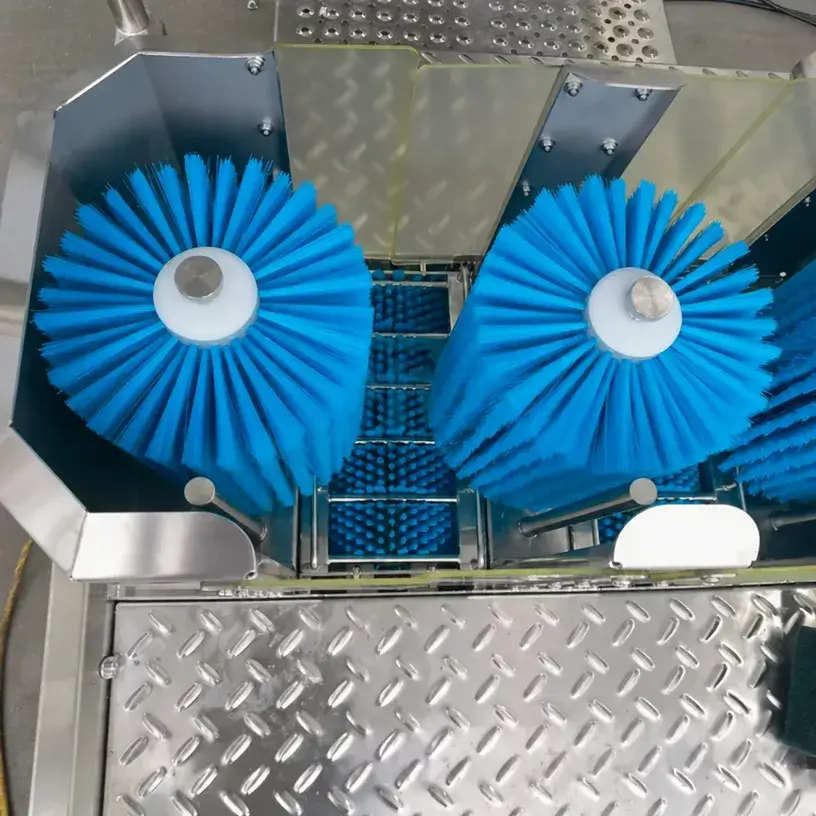
Boot Washer Machines run constantly in food-processing plants, pharmaceutical facilities, and other industrial workplaces. A single worn Nylon Roller Brush may bring the cleaning line to a halt. The damage can look minor at first, but thinning or broken bristles often signal a larger problem; left unchecked, they can lead to washer failure. Identify the cause early to limit downtime and avoid replacing equipment unnecessarily.
1. Premature Bristle Wear
Repeated exposure to heavy mud, harsh chemicals, or constant use can wear nylon bristles out sooner than expected.
Mud Damage to Your Nylon Cylinder Brush
Clay-heavy soil and grit wear down nylon filaments quickly. As boots move across the brush, they press dirt into it, and the trapped debris scrapes the bristles with every pass. After several weeks, the nylon flattens and loses its stiffness, so it touches less of the boot tread. Mud marks may start showing up after washing.
Three conditions make mud damage worse: the area’s mineral-heavy soil, too little pre-rinsing before the main wash, and insufficient water to clear debris from between the bristles.
Extending the Life of Nylon Tufted Cylinder Brush Products
A consistent maintenance routine helps Nylon Tufted Cylinder Brush assemblies last longer. At the end of each shift, spray them with high-pressure water so particles do not harden overnight. Once a week, inspect the bristles for bending or matting, record what you find, and note any changes in the wear pattern.
The schedule below sets out a practical maintenance routine:
Every two weeks, inspect the bristles and make sure they remain the same length. Uneven bristles can signal irregular wear.
Once a month, turn the brush 180 degrees so wear spreads across its surface. That keeps the busiest areas from wearing out first and can often double the brush’s working life.
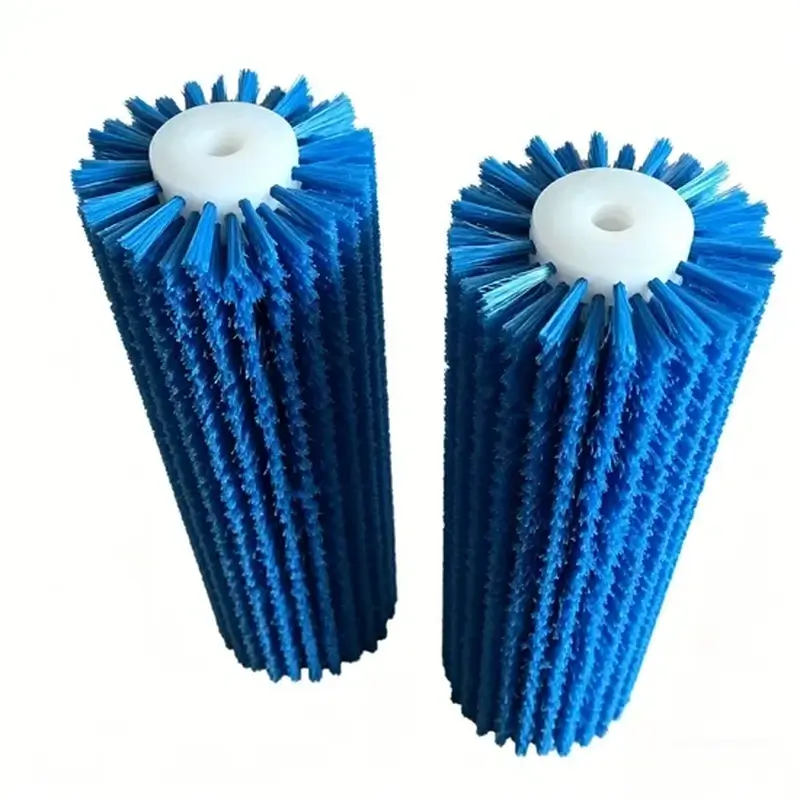
2. Bristle Shedding
Bristles collecting in the drain can point to a more serious issue. When the nylon fibers begin pulling away from the core, the brush loses cleaning power right away.
Sanitizer Damage in Boot Washer Machines
Repeated exposure to quaternary ammonium or chlorine-based sanitizers gradually weakens the nylon bonds. The tufts loosen, and normal machine operation pulls them out, leaving bare patches on the Nylon Roller Brush.
Shedding speeds up when operators use sanitizer stronger than recommended, skip the rinse, or combine products without checking the material compatibility data sheets.
Quick Fix for Loose Bristles
Do not wait once bristles start coming loose; the brush may fail. Dilute the sanitizer to the manufacturer’s specified concentration, then rinse the brush with clean water. Check the core, too, for corrosion or mechanical damage that could be releasing the tufts.
Replace the Nylon Tufted Cylinder Brush once its bristles start coming loose. Waiting too long raises the risk of contamination and regulatory problems.
3. Uneven Cleaning
A boot may come out clean in one area but still carry dirt elsewhere. That inconsistency frustrates hygiene managers and may result in audit failures.
Spiral Trim Covers the Entire Boot
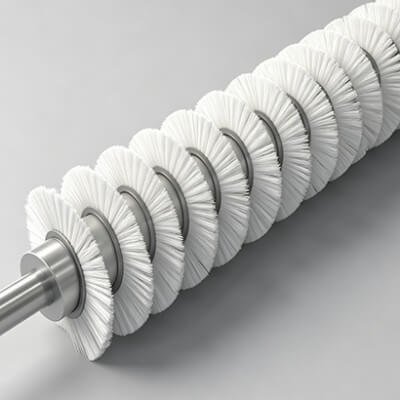
Straight-trim brushes can leave the heel edges and side seams untouched. Spiral trim reaches those areas because the filament rows run diagonally around the cylinder, carrying bristles over the entire boot from several angles during rotation.
Facilities that use Nylon Cylinder Brush assemblies with spiral trim report:
- 40% fewer failed boot inspections
- No manual scrubbing in problem areas
- Better worker compliance with hygiene protocols
Daily Care for Nylon Tufted Cylinder Brush Products
Start every shift with a brief inspection. Before anyone begins, operators should read the water-pressure gauges; a low reading may point to clogged nozzles or a failing pump, both of which can reduce rinse strength. Seasonal changes in mud may also call for adjustments to the Boot Washer Machines.
During heavy use, give the brush a 90-second rinse halfway through the shift. That keeps mud from hardening on the bristles, so they remain flexible and responsive.
4. Core Corrosion
When the protective coating breaks down, rust can move into the metal core. The weakened assembly may then contaminate the wash water.
Stainless-Steel Cores in Wet Zones
Salt air and humid facilities accelerate corrosion, but a 304 stainless steel core eliminates rust. The initial price is 30% higher; in harsh conditions, though, it lasts three times longer than galvanized steel.
That stainless core gives the Nylon Roller Brush the durability needed in seafood plants exposed to salt air and pharmaceutical facilities cleaned with acidic solutions. It continues operating through the constant moisture of 24/7 production.
Storage Tips to Prevent Rust
After washing, lay the Nylon Tufted Cylinder Brush on its side in a dry spot. Keeping it upright lets water gather near the bearings, which may lead to corrosion. Cover it with breathable fabric to block dust while allowing moisture to escape.
If the shutdown exceeds two weeks, clean the brush thoroughly and let it dry completely. Before using it again, check for rust, then apply food-grade lubricant to exposed metal fittings. Store it in a climate-controlled place if possible.
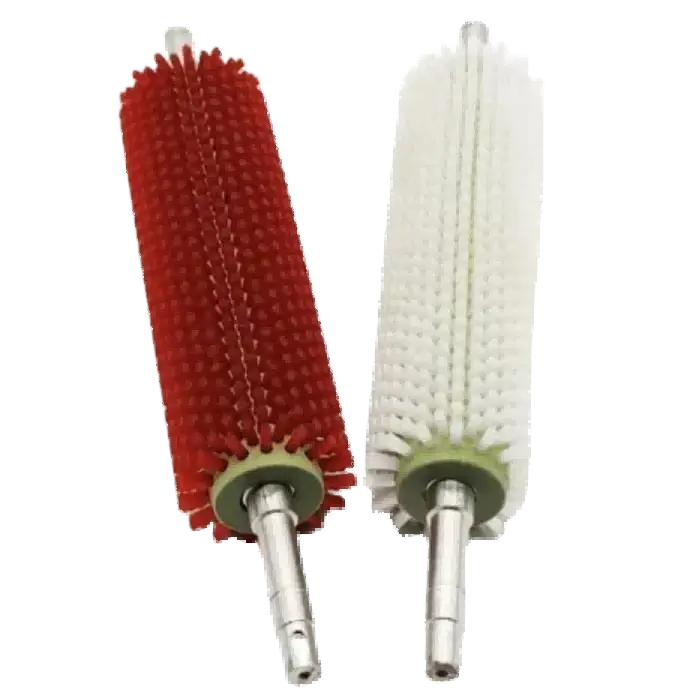
Nylon Roller Brush vs. Other Boot-Washing Options
Some facilities choose polypropylene or natural-fiber brushes instead, but each material has its own drawbacks.
Polypropylene brushes are cheaper upfront, but regular use wears them down quickly. They handle light cleaning well; caked-on mud is another matter. Natural-fiber brushes have a different weakness: sanitizers can damage their fibers, which retain moisture and may allow bacteria to grow between shifts.
For industrial boot-washing systems, the Nylon Roller Brush offers the most practical trade-off. It handles abrasion better than polypropylene and works with most industrial cleaning agents.
- Dries quickly, which helps limit microbial growth
- Maintains reliable performance across a broad temperature range
Nylon Cylinder Brush assemblies cost more initially, but their longer service life usually lowers ownership costs. They need fewer replacements and less maintenance time, often recovering the price difference within 18 months.
FAQ
Q1: When should a Nylon Roller Brush in a boot washer be replaced?
Most industrial facilities replace the brush every 12–18 months when it receives regular maintenance. At busy sites where boots carry heavy soil and the cleaning cycle is tougher, replacement may be needed after about 9 months.
Q2: Can operators fix shedding bristles rather than replace the whole brush?
Shedding usually indicates that the bristles have come loose from the brush core. A local repair may hold briefly, but it can undermine hygiene requirements. Replacing the entire unit keeps the equipment compliant and ensures even cleaning across each boot surface.
Q3: What bristle stiffness works best for heavy mud conditions?
Medium-stiff nylon bristles offer the best balance of cleaning power and durability. Extra-stiff bristles clear mud quickly but wear out faster, while soft bristles hold up longer and usually need several passes to clean thoroughly.