
A wrong furniture polishing brush can spoil in minutes all the finished panels of a batch. Problems like wavy polish marks, uneven surfaces, or other defects typically trace back to one root cause: a mismatch between the brush specification and the actual workpiece. There is no universal model that can handle all furniture types. Before placing an order, manufacturers should evaluate three core technical parameters: bristle hardness, roller dynamic balance, and shaft core material. Irreversible surface defects will directly scrap the product if any of these is wrongly assumed.
In this guide, each parameter is broken down so production managers and procurement teams can make confident, informed decisions when selecting the right brush for their equipment.
Three Core Technical Parameters That Affect Selection of Furniture Polishing Brush
The Hardness of Bristles Should Correspond to the Material of the Workpiece
Furniture shapes and board materials vary enormously. Flat cabinet doors, curved edge trims, carved grooves, and solid-wood armrests each require different polishing methods. More importantly, panel furniture, softwood, and high-gloss baked lacquer finishes differ sharply in surface hardness.
Think of the consequences if the match is not right:
- A hard Abrasive Cylinder Brush on softwood furniture will immediately scratch the lacquer coat.
- A too soft horsehair Wood Polishing Cylinder Brush on MDF primer cannot remove burrs or level the surface.
Both result in irreparable damage, which means that the workpiece is thrown directly into the scrap. The table below gives a practical reference of bristle selection for each type of furniture polishing brush:
| Workpiece Type | Recommended Bristle | Reason |
| MDF primer sanding | Medium-hard Abrasive Cylinder Brush | Effective burr removal levels the primer coat |
| Softwood / high-gloss topcoat | Fine soft horsehair Wood Polishing Cylinder Brush | Prevents scratches; achieves mirror-like polish |
| Carved or grooved profiles | Layered mixed bristle (Abrasive Cylinder Brush + soft) | Reaches recessed areas without harming raised edges |
| Raw solid-wood surfaces | Sisal Cylinder Brush or medium nylon | Deals with natural grain texture with controlled aggression |
Production teams that process multiple furniture types on the same line should stock at least two brush configurations and swap them according to the current workpiece batch. For a deeper explanation of furniture polishing brush types and structures, our related article covers material fundamentals in detail.
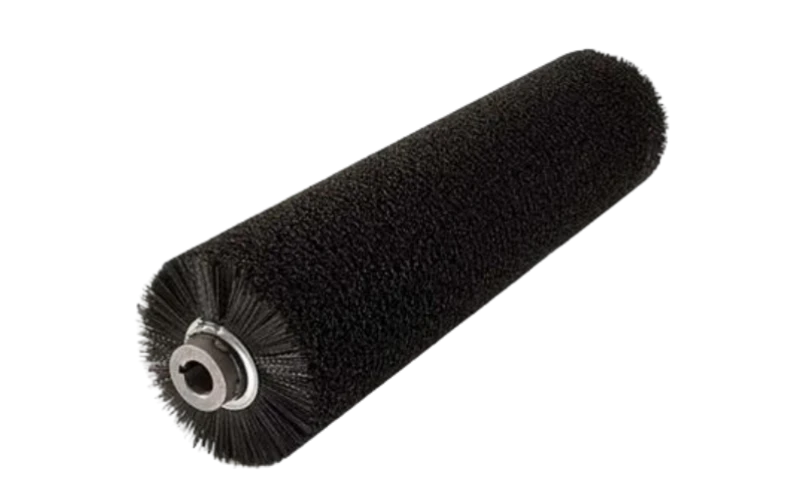
Roller Dynamic Balance Directly Determines High-Gloss Surface Quality
Furniture demands far higher surface clarity than standard board polishing. A furniture polishing brush roller with poor concentricity or uneven end-to-end weight distribution will vibrate continuously when it’s spinning at high RPM. That vibration gets transferred directly onto the panel, leaving circular wave-pattern polish marks across the surfaces of high-gloss doors.
Key signs of a balance problem in your furniture polishing brush include:
- Visible concentric ring marks on lacquered panels after polishing.
- Increasing vibration noise as roller speed rises.
- Uneven gloss readings across the board width.
These accumulate defects across every piece of furniture, polishing brush processes, thus creating an infinite loop of quality complaints.
How to mitigate this: Manufacturers running batch production on high-gloss baked-lacquer or real-wood veneer furniture should use the rotary type of furniture polishing brush that comes with factory dynamic-balance calibration and a shaft made of solid core. A well-balanced Wood Polishing Cylinder Brush eliminates wave marks at the source and, therefore, keeps the line running with consistent output quality.
Shaft Core Material Decides Long-Term Stability and Service Life
Most buyers pay attention only to the quality of the outer bristles of their furniture polishing brush and do not look at the shaft inside. And that’s where they go wrong. A hollow shaft of thin-wall steel tubing will flex slowly, but surely, under continuous high-speed rotation and downward pressure. And once that shaft warps, even if it’s just a little bit, the original dynamic balance of the furniture polishing brush is gone, and the vibration gets worse and worse as the weeks go by.
The comparison is as follows:
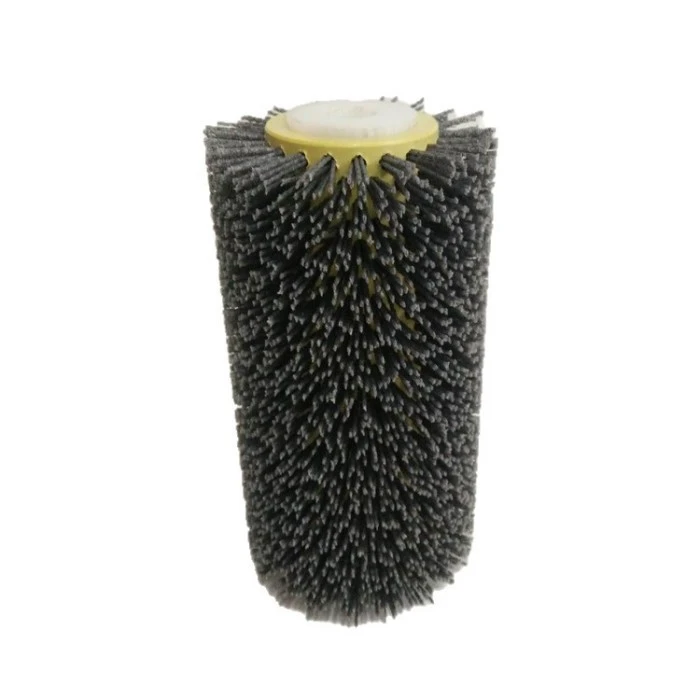
| Shaft Type | Pressure Resistance | Long-Term Stability | Risk Level |
| Hollow thin-wall steel tube | Low | Degradation over time | High — bending leads to vibration |
| Thickened seamless steel tube | High | Alignment maintained | Low |
| Solid steel core | Very high | Consistency is excellent in the long term | Minimal |
Neither thickened seamless tubes nor solid-core shafts would vibrate under operational stress without deforming, and this would keep the balance of your furniture polishing brush for months of continuous production. For high-volume furniture lines, this single enhancement eliminates frequent roller replacements as well as repeated quality troubleshooting. Our guide on shaft specification evaluation offers additional tips to help procurement teams make more informed decisions.
Ways to Mitigate Common Selection Risks
Procurement teams can lower the risk of misselection by following a systematic approach when sourcing a furniture polishing brush:
First, define the workpiece. List all furniture materials, surface finishes, and profile shapes that the brush will have to work on.
Ask for bristle samples. Before confirming bulk orders, have a trial with medium-hard Abrasive Cylinder Brush, fine horsehair Wood Polishing Cylinder Brush, and Sisal Cylinder Brush configurations on actual production panels.
Check the dynamic balance certification. Ask the supplier for reports from the balance tests on your brush, especially for applications using high gloss.
Examine the construction of the shaft. Verify wall thickness on the shaft, the material grade, and whether the tubing used is seamless or welded.
Opt for a custom specification. Standard catalog options seldom meet the demanding requirements of sophisticated furniture polishing. A special Wood Polishing Cylinder Brush, built for the particular dimensions of the equipment and materials of the workpieces, will do a much better job.
Skipping any of these steps adds risk that will show up right on the surfaces of finished products.
Understanding these three technical parameters is the first step. But knowing how to apply them during procurement is equally critical — which brings us to the five actionable steps below.
Quick Comparison: Standard vs. Custom Furniture Polishing Brush
| Factor | Standard Off-the-Shelf Furniture Polishing Brush | Custom-Specified Furniture Polishing Brush |
| Bristle hardness match | Generic — may not suit your material | Matched to the exact workpiece type |
| Dynamic balance | Rarely calibrated | Factory balanced before shipment |
| Shaft core quality | Typically hollow thin-wall | Thickened, seamless, or solid options |
| Profile adaptability | Flat surfaces only | Supports carved, curved, and grooved shapes |
| Long-term cost | Higher (frequent replacements + defects) | Lower (fewer rejects, longer lifespan) |
Custom-specified furniture polishing brush options deliver measurably lower per-unit polishing costs and significantly fewer quality complaints for most B2B furniture manufacturers.
Frequently Asked Questions About Furniture Polishing Brush
Can one furniture polishing brush handle both MDF primer and high-gloss topcoat?
No. MDF primer needs a medium-hard Abrasive Cylinder Brush, and high-gloss topcoat requires a fine, soft horsehair Wood Polishing Cylinder Brush. Using one furniture polishing brush for both will result in scratches or incomplete sanding.
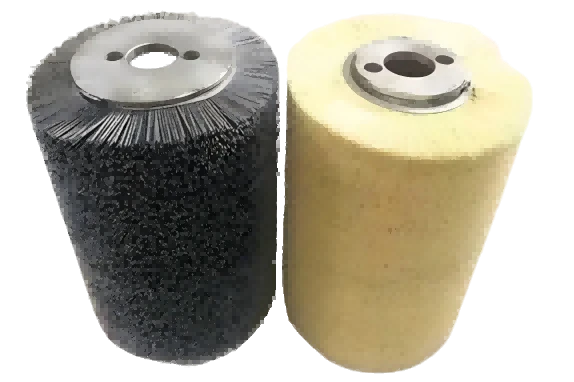
How frequently should I check the dynamic balance of my furniture polishing brush rollers in production lines?
Check the dynamic balance of your furniture polishing brush every three months or when operators observe new vibration patterns. High-volume lines processing glossy panels should check more frequently.
What is the best shaft core material for a furniture polishing brush used in continuous high-speed polishing?
Thickened seamless steel tubes or solid steel core — either one works just as well for your furniture polishing brush. Both resist bending under sustained pressure, which keeps their balance stable through long production runs.
What is the typical lead time for a custom-specified furniture polishing brush?
Custom brush lead times typically range from 15 to 30 days, depending on shaft dimensions, bristle materials, and order quantity. Request a quote with your equipment specs for an exact timeline.