
The purchasing of the wrong brush would lead to greater losses in a glass processing plant than any money that could be saved by getting one at a lower price. A glass washing brush that does not match the production line will lead to scratched panels, unplanned downtime, and reject rates. All these are silent killers of profit margins.
This guide to procurement and engineering will, therefore, break down the three factors that are critical in the selection of a glass washing brush so that by the end of it, procurement teams and production managers can make smarter, data-backed decisions.
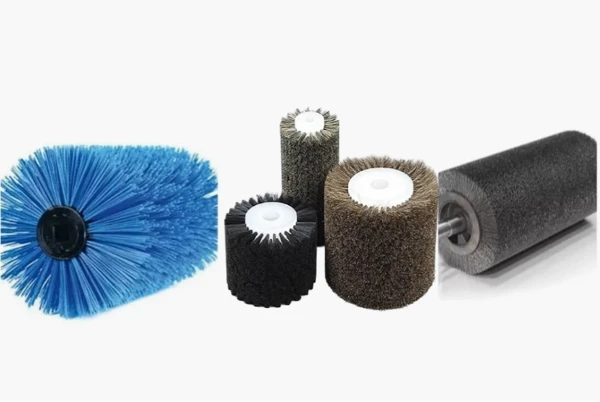
Three Critical Factors in the Selection of a Glass Washing Brush
Choose the glass washing cleaning brush on the basis of three main factors: true lifecycle cost, bristle-to-glass compatibility, and line-specific customization. If one is skipped, even a reputed brand brush will not deliver the expected performance. This will not only turn such a brush into a safety hazard but, in the end, it will only impede things, however fast it may clean.
The Hidden Costs of Cheap Brushes Far Exceed Your Savings
The major buying mistake in glass washing consumables is to look at the price per unit. A brush of low cost may look attractive on a purchase order, but the real cost comes on the production floor.
Bad brushes usually need 3-5 more replacements than a decent alternative. Every replacement means machine downtime, more labor hours, and more lost output. What’s more, the inexpensive bristle tips make micro-scratches on the glass surface. These are blemishes that turn finished panels into costly rejects.
Considering these factors, the plant has a higher replacement frequency and scrap glass due to surface scratches, as well as unplanned maintenance stoppages and technician labor for each brush change.
The consumable costs will, in the end, be twice what was invested in the premium glass washing brush from the start. The small per-unit saving on a cheap brush never offsets the compounding hidden losses. As it happens, high-quality brushes are simply the more profitable choice.
And one more thing to keep in mind when buying it, which adds more points for selection, is the guide on how to choose the glass washing brush.
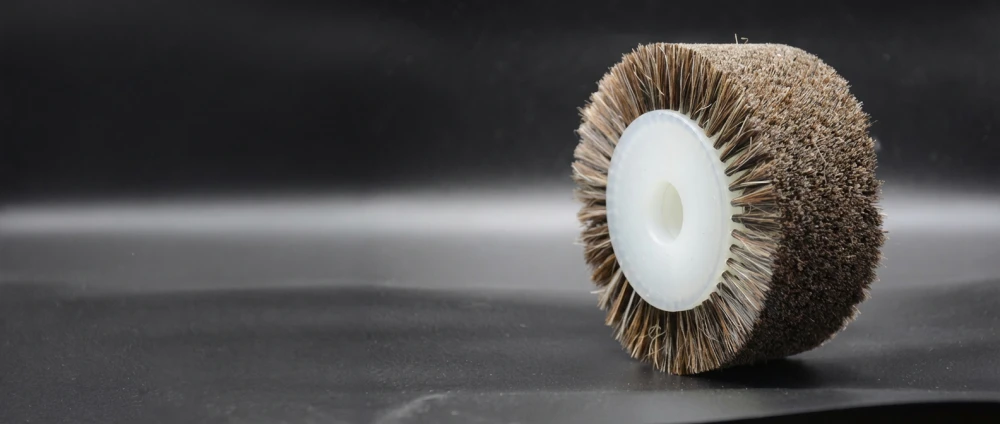
Match Bristle Hardness to Your Glass Type
Single-bristle hardness would leave residue behind on some and scratch others. Surface hardness and sensitivity of coating, plus contamination profiles, differ for photovoltaic glass, tempered white glass, ultra-thin electronic glass, and insulated glass. A single bristle hardness for all these substrates would leave residue behind on some and scratch others.
This is why the customer cannot determine the price for the right choice of glass cleaning brushes, but rather the compatibility of bristle material, tufting process, and online working conditions. Below is a table of common glass types and their recommended nylon filaments:
| Glass Type | Surface Characteristic | Recommended Filament | Key Benefit |
| Photovoltaic (coated) glass | Ultra-thin coating, scratch-sensitive | PA612 (medium-soft nylon) | Protects delicate coatings while removing dust |
| Electronic glass | Thin, brittle, tight tolerance | PA612 or softer blend | Reduces mechanical stress |
| Double-glazed glass | Adhesive sealant residue | PA66 (medium-hard nylon) | Removes stubborn sealant residue without gouging |
That’s the material science of the glass line brush — it saves teams from having to learn the hard way (and make one very expensive mistake) trying to force a single filament across all those lines.
This will allow the photovoltaic panel-making plants to take over most of the use of a brush for solar panel cleaning, so they can address the special needs of bristles safe for coatings in much greater detail.
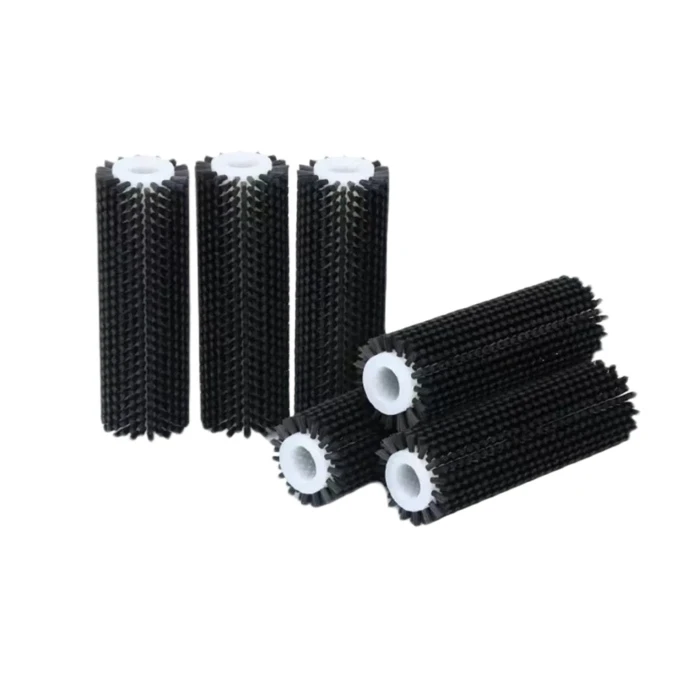
Customization — Why Off-the-Shelf Brushes Rarely Fit
Often, modern glass washing equipment is not compatible with regular off-the-shelf brushes. This varies from line to line and includes glass thickness, conveyor speed, cleaning agent chemistry, and machine roller dimensions. A brush that gives perfect results on a 4 mm tempered glass washer will fail completely on a 1.1 mm electronic glass line running at twice the speed.
There are four elements to good customization:
- The diameter and face length of the rollers should match the machine shaft and the width of the glass.
- Bristle trim length sets the pressure of contact against the surface of the glass.
- Filament diameter and hardness — these determine the aggressiveness of the cleaning and the risk of scratching.
- Winding pattern or tufting density — this will affect the flow of water and the removal of debris.
A properly specified glass washing cylinder brush will take care of all these four aspects simultaneously. According to the design of washers, plants can choose a wound cylinder brush to ensure continuous spiral contact or a rotary brush cylinder to clean in segments. This is what must be shared with the brush manufacturer when ordering a custom brush — machine drawings, glass specs, and chemical data. Reputable suppliers do this as standard practice, not something to be asked for.
Premium Glass Washing Brushes vs. Low-Cost Alternatives
The table below summarizes what production teams typically experience over a 12-month period when comparing premium and budget brushes on the same washing line:
| Performance Metric | Premium Glass Washing Brush | Low-Cost Alternative |
| Unplanned Downtime | Minimized (brushes do not wear out often) | Frequent |
| Total Annual Cost | Lower (brush + waste + downtime) | Higher |
FAQ
How often should glass washing brushes be replaced?
Top-class brushes usually serve 4-6 months under normal conditions. Inspect the bristles and the quality of the glass surface once every week — this will help you get a feel for the right replacement cycle on each line.
Can one brush work for photovoltaic glass and insulated glass as well?
No. For photovoltaic glass, use soft PA612 filament to protect the coatings. For insulated glass, use hard PA66 bristles to remove sealant residue.
What details should buyers give when ordering a custom glass washing cylinder brush?
Supply machine model, roller dimensions, glass type and thickness, line speed, and cleaning chemicals — the last one helps the manufacturer specify the right brush material.