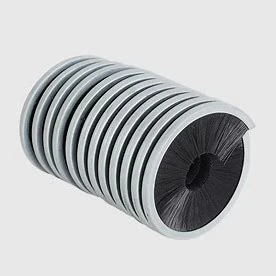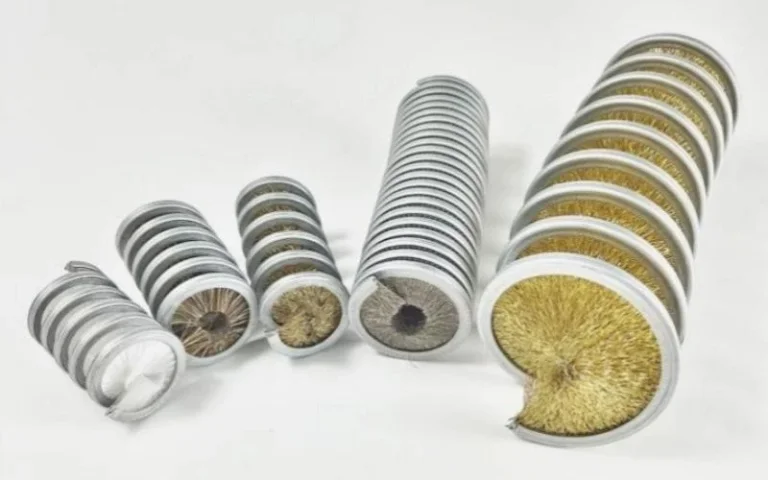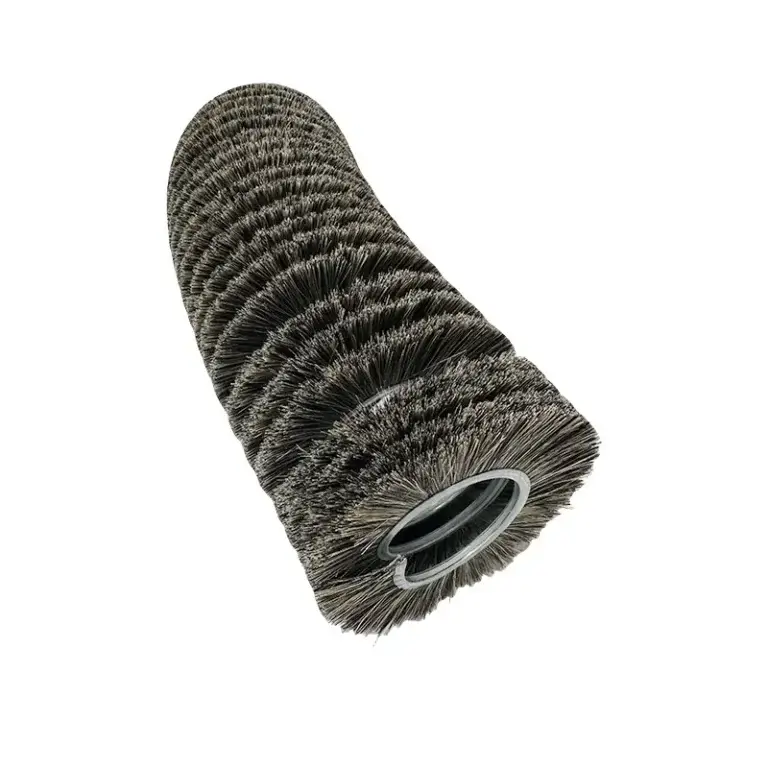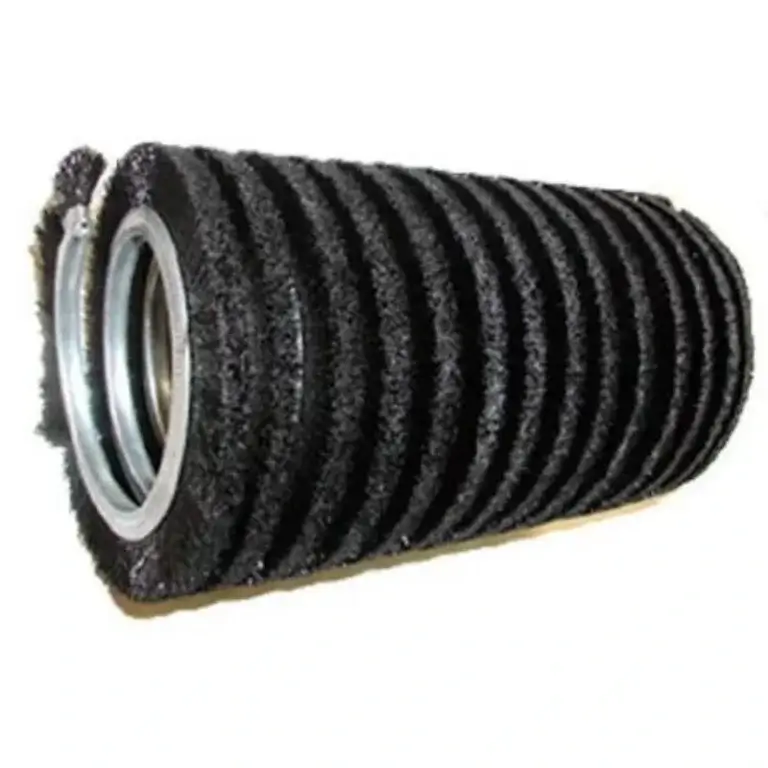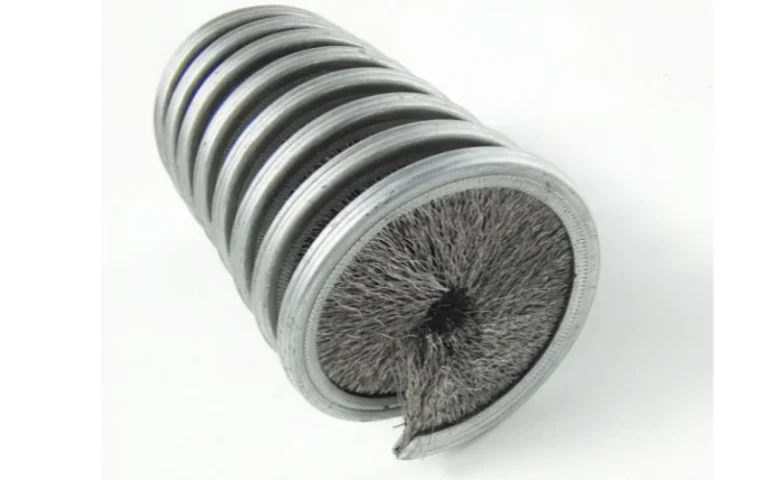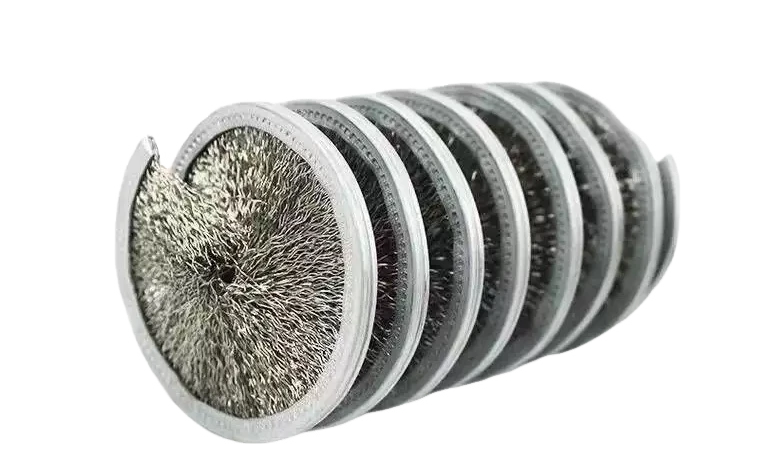
When trying to choose the correct steel coil brush, it can seem like a fairly simple task; however, an incorrect choice may result in poor cleaning results, premature wear of the brush, or damage to the finished product. There are many variables regarding wire type, wire diameter, and overall dimensions of brushes that should be thought about before placing an order. Having a clear framework will be helpful in selecting your brush.
This guide describes important characteristics to consider while selecting industrial steel coil brushes, such as the type of materials used in making the brush head and determining which brush will be best for your application. For new users, the description of what a steel coil brush is gives a basic understanding of the product area.
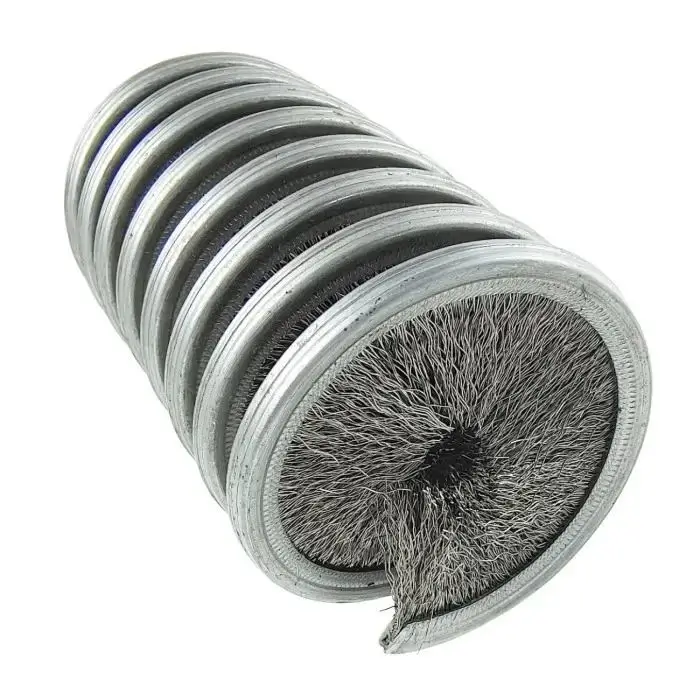
Key Elements When Deciding on a Steel Coil Brush
Wire Material
When selecting a coil brush, the very first thing to look at is what type of wires are used. This is critically important because it will impact cleaning quality, corrosion resistance, and whether the brush is suited to clean a particular type of workpiece.
| Wire Material | Aggressiveness | Corrosion Resistance | Best Uses |
|---|---|---|---|
| Carbon Steel | High | Low | Heavy rust, scale, weld spatter |
| Stainless Steel | Medium/High | High | Food processing, marine, chemical environments |
| Galvanized Steel | Medium | Medium | General purpose cleaning with moderate corrosion exposure |
The most widely used and least expensive form of wire for heavy cleaning is carbon steel. For cleaning in a dirty or moist environment, stainless steel is recommended because it is more durable than carbon. Galvanized wire is a mid-range option, offering some durability at a lower price than stainless steel. Using the wrong wire material in metal coil brushes will cause them to wear down too quickly or not clean aggressively enough. Making the correct choice saves both time and money.
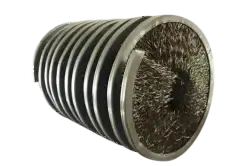
Wire Diameter and Stiffness
More aggressive cleaning is associated with thicker wire. However, thicker wire has less flexibility than thinner wire, which is easier to use on irregularly shaped surfaces but wears out more quickly under heavy loads.
General guideline for wire sizes:
- 0.15–0.20 mm – Light cleaning, polishing, or delicate surfaces
- 0.20–0.30 mm – General cleaning and deburring
- 0.30–0.50 mm – Heavy removal of rust, scale, and weld splatter
For cleaning applications in most industrial environments, the 0.20–0.30 mm wire size range provides the best balance between cleaning ability and brush longevity.
Physical Dimensions of Brush
Brush dimensions must conform to the application. Before placing an order, verify the following:
- Overall length – must clean the surface in a reasonable number of passes
- Brush diameter – must match or exceed the surface profile for consistent contact
- Inner coil diameter – determines the shaft or mandrel that the brush will attach to
- Trim length – indicates how far the wire extends past the coil body
Ordering a brush without verifying measurements is a common mistake, especially when changing suppliers or replacing a worn brush with unknown specifications.
Operating Conditions
Brush selection is driven by environmental factors more than many realize. High‑heat applications generally need stainless wire rather than carbon. Wet or chemically harsh applications require protective wire materials. High‑speed rotation usually needs a tighter coil to prevent wire breakage. If space is limited, a narrower or more flexible brush configuration may be required.
These considerations are frequently overlooked, leading to a brush that lasts a long time in one location but fails soon after being put to work elsewhere — even when dimensions are identical.
Matching the Brush to the Application
A steel coil brush is versatile, but it is not always the best fit. Some applications are better served by a specialized brush type.
Chain Maintenance
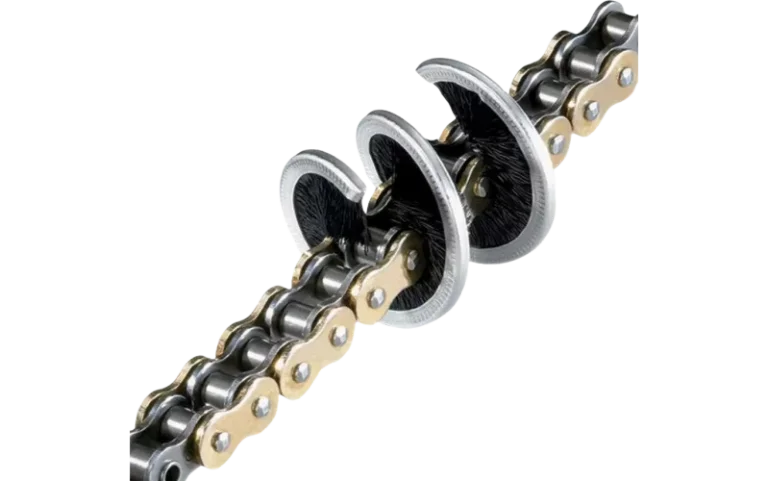
A 360 chain brush is an excellent option for cleaning, lubricating, and maintaining conveyor or drive chains. It wraps around a chain and cleans every side at once, making it much more effective than a standard coil brush. The article What Is a 360 chain brush explains how it works and the best areas for its use.
Wire Rope Maintenance
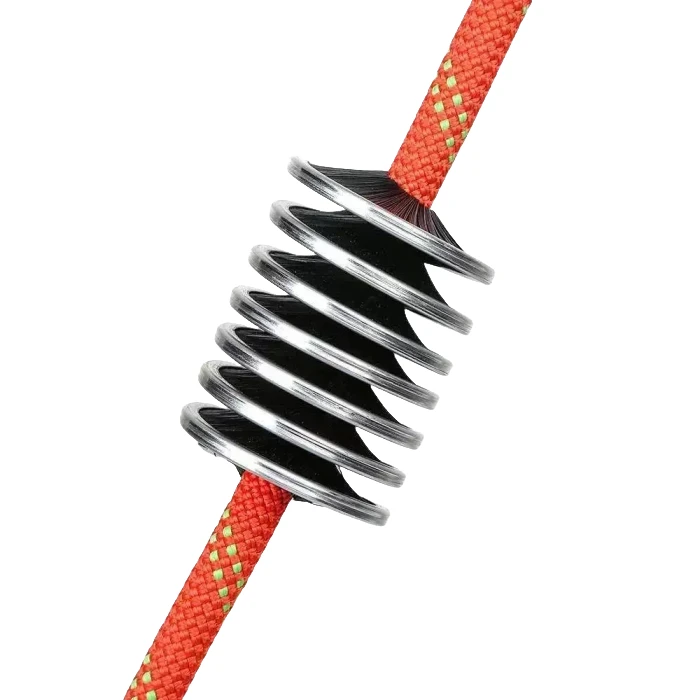
Inspection and cleaning of wire ropes should use a wire rope cleaning brush designed to follow the lay pattern of individual strands, allowing access to hidden areas where dirt and corrosion accumulate. The guide on what a wire rope cleaning brush is provides common applications and selection suggestions.
Understanding whether a standard coil brush or a specialized brush fits a given workpiece is key to making good purchasing decisions.
Quick Selection Checklist
Before contacting a supplier, gathering the items below will streamline the quotation process:
- Workpiece material (steel, stainless steel, aluminum, etc.)
- Type of contamination (rust, scale, paint, residue)
- Dimensions required (length, diameter, inner coil size)
- Operating environment (temperature, moisture, chemicals)
- Drive method (manual tool, machine mounted, automated line)
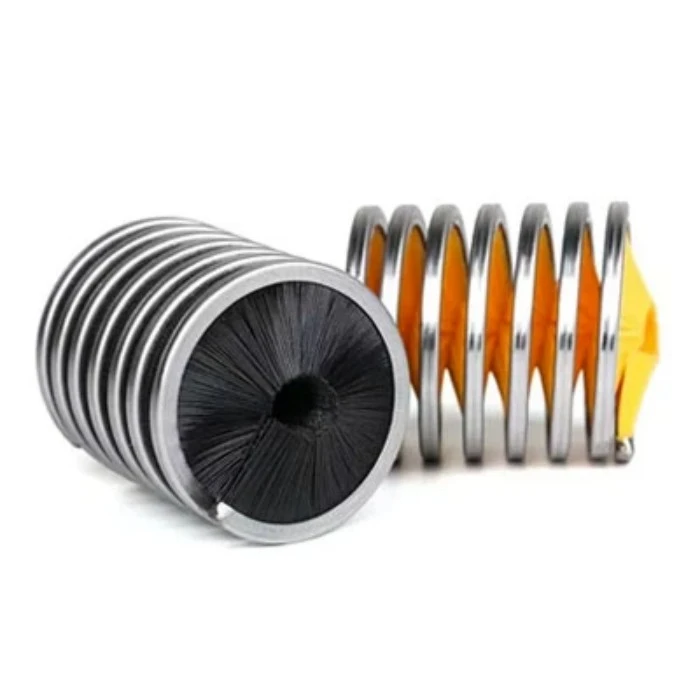
Experienced suppliers will help determine the best option based on these factors. Browse the complete range of steel coil brushes to see the various sizes and wire types available.
FAQ
Q: Are custom steel coil brushes available?
A: Yes, many manufacturers offer custom designs — wire material, diameter, bristle length, and coil size — to match unique cleaning or finishing needs.
Q: What is the typical MOQ for wholesale steel coil brushes?
A: MOQs vary by supplier. Most industrial brush manufacturers accept orders starting at 50–100 pieces, with better unit pricing at higher volumes.
Q: How long does a steel coil brush last in continuous use?
A: Lifespan ranges from thousands to hundreds of thousands of cycles, depending on wire material, workpiece hardness, and operating speed.