
Cylinder Rotary Brush
Customizable Size & Density
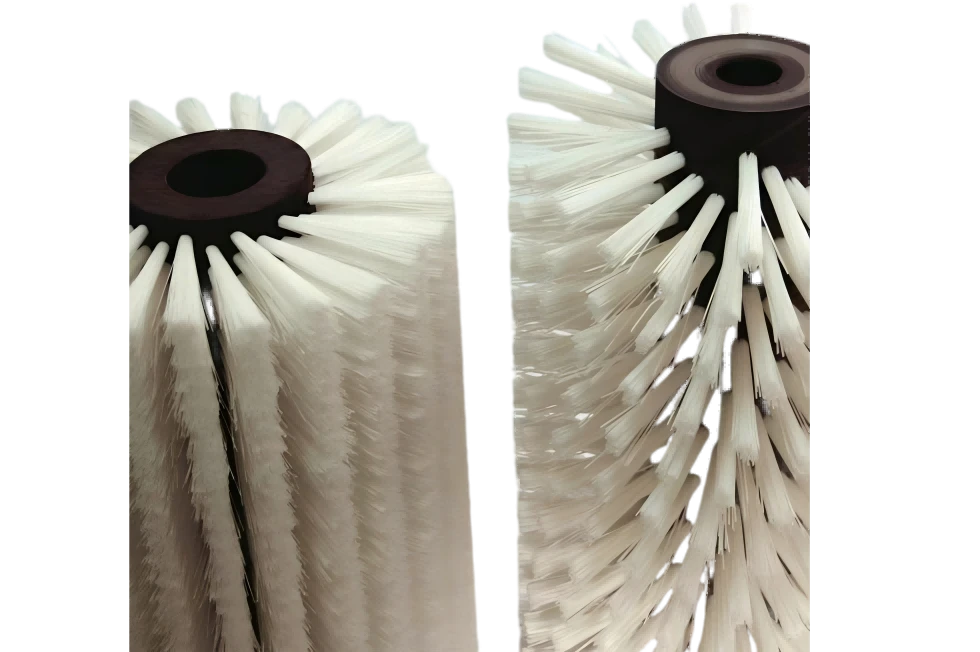
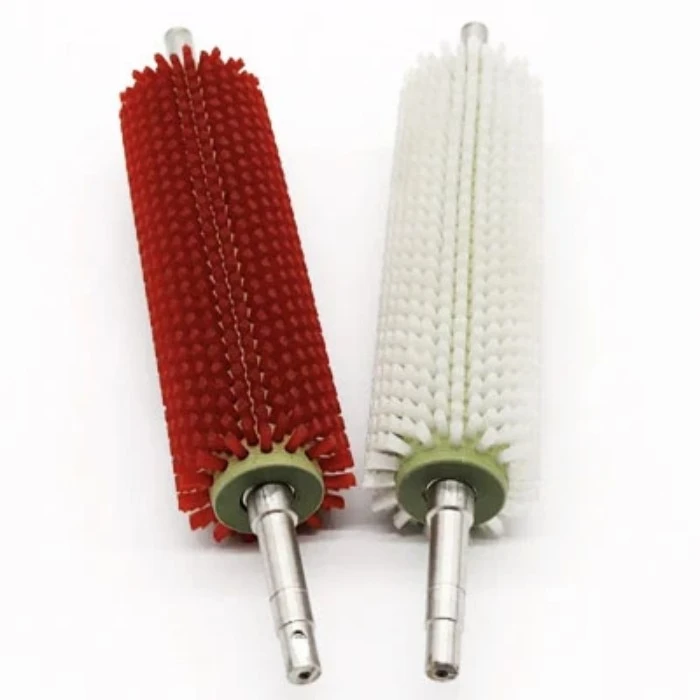
The cylinder rotary brush is manufactured by securing filaments into metal channel strips and helically winding them around a precision core, creating a continuous, high-density bristle surface for uniform contact pressure.
At Fortex Brushes, each cylinder rotary brush is engineered with premium materials and controlled winding tension to deliver reliable cleaning, polishing, and deburring performance across metalworking, glass processing, and textile industries.
- Home /
- Cylinder Brush /
- Cylinder Rotary Brush
Key Features of Cylinder Rotary Brush
Spiral-Wound Construction
The cylinder rotary brush features filaments anchored in metal strips and wound continuously around the core. This seamless spiral design eliminates coverage gaps and ensures consistent surface contact throughout operation.
High-Density Bristle Arrangement
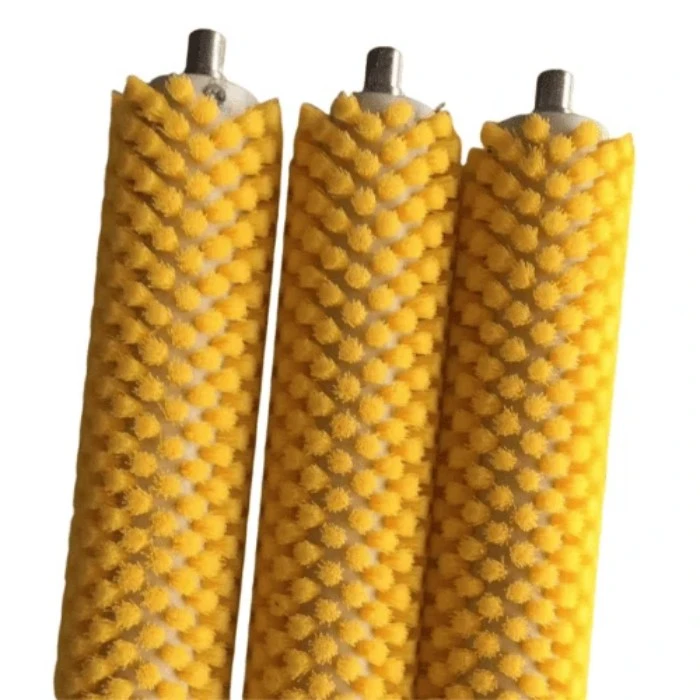
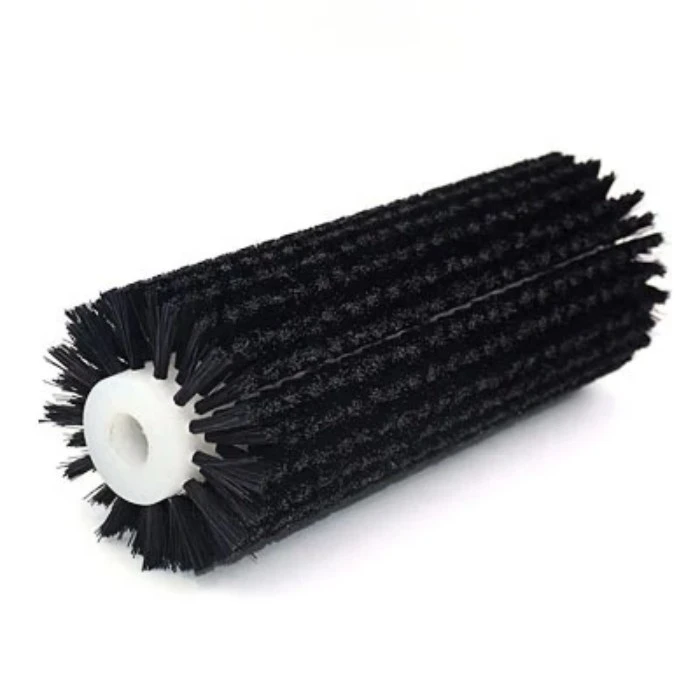
Precision winding produces tightly packed filament rows across the entire brush surface. This dense configuration maximizes cleaning efficiency and delivers uniform finishing results on various material types.
Reinforced Structural Durability
Metal-anchored filaments resist pull-out forces during high-speed and heavy-load applications. The cylinder rotary brush maintains structural integrity through extended industrial use with minimal wear.
Versatile Filament Options
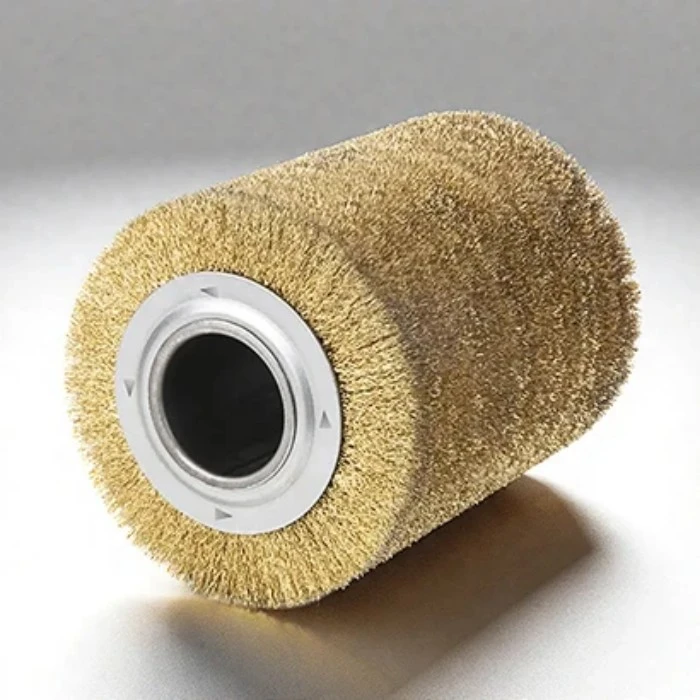
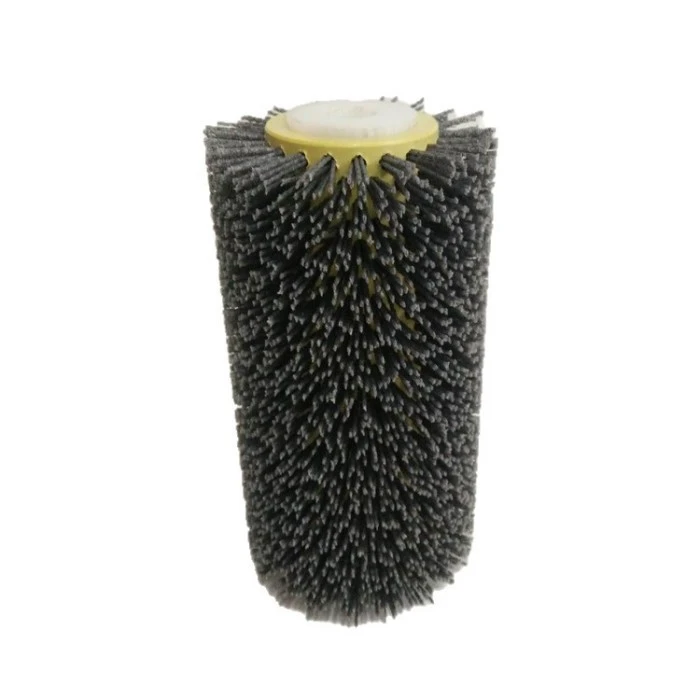
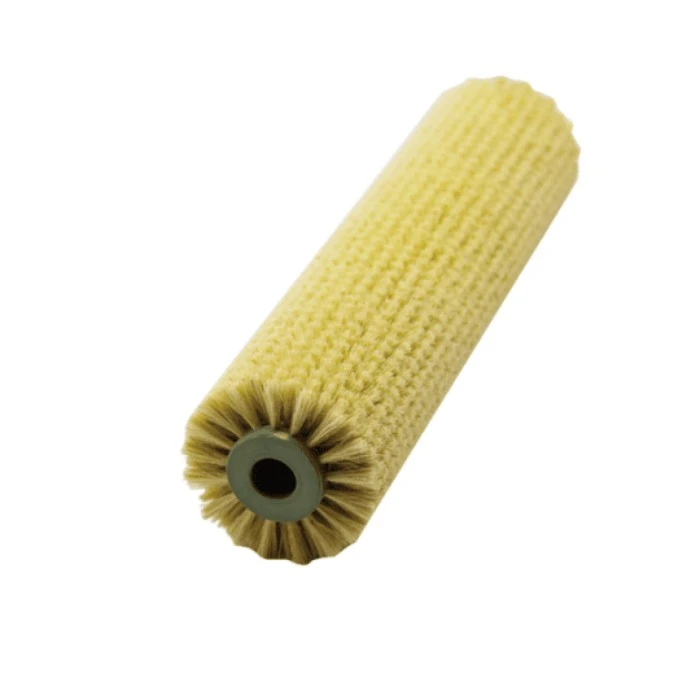
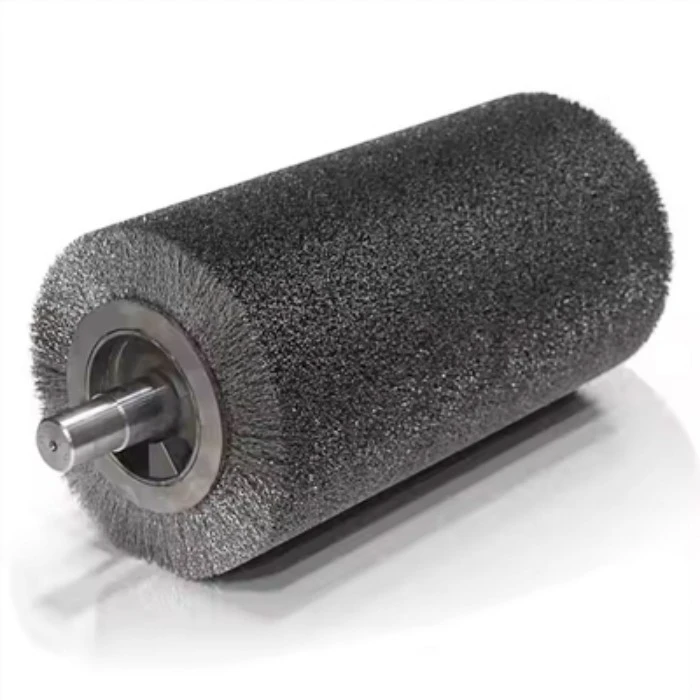
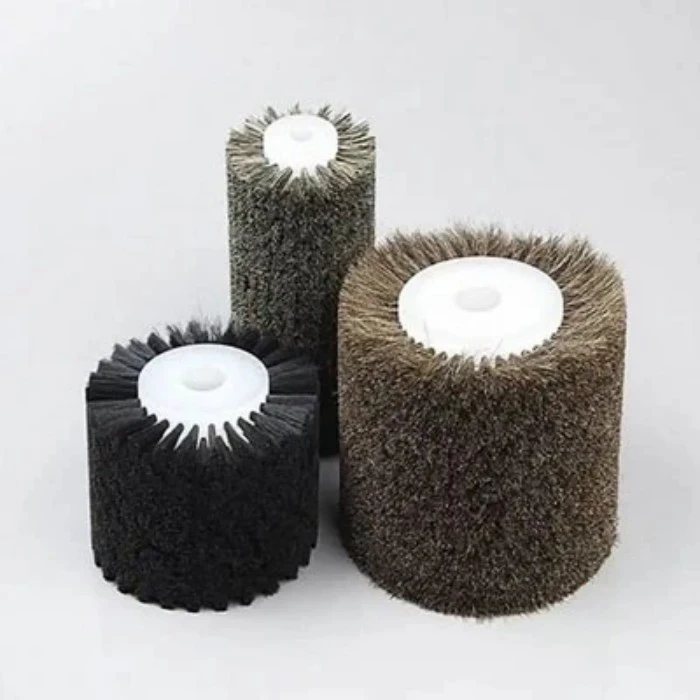
Available in steel wire, brass wire, nylon, abrasive nylon, and natural fiber configurations. Material selection allows the cylinder rotary brush to perform gentle cleaning or aggressive surface conditioning.
Why Choose the Cylinder Rotary Brush?
Uniform Pressure Distribution
The continuous spiral construction delivers even contact across the entire working width. Every rotation of the cylinder rotary brush produces streak-free results and reliable surface uniformity.
High-Speed Performance Stability
Metal-reinforced winding provides excellent stability during elevated RPM operations. The cylinder rotary brush supports demanding continuous-duty cycles without vibration or premature degradation.
Extended Operational Lifespan
Superior filament retention and durable construction minimize replacement frequency significantly. Fewer cylinder rotary brush changes mean lower expenses and reduced production downtime.
Precision Custom Engineering
Every brush is manufactured to exact dimensional and performance specifications. Custom cylinder rotary brush engineering ensures seamless equipment compatibility and optimized process results.
Common Applications
Wood Polishing Brush
Wood Polishing Brush
Conveyor Belt Cleaning Brush
Conveyor Belt Cleaning Brush
Rust Removal Brush
Rust Removal Brush
Vegetable Cleaning Brush
Vegetable Cleaning Brush
Textile Processing Brush
Textile Processing Brush
Fruit cleaning Brush
Fruit cleaning Brush
Solar Panel Cleaning Brush
Solar Panel Cleaning Brush
Furniture Polishing Brush
Furniture Polishing Brush
Glass Cleaning Brush
Glass Cleaning Brush
Featured Cylinder Rotary Brush
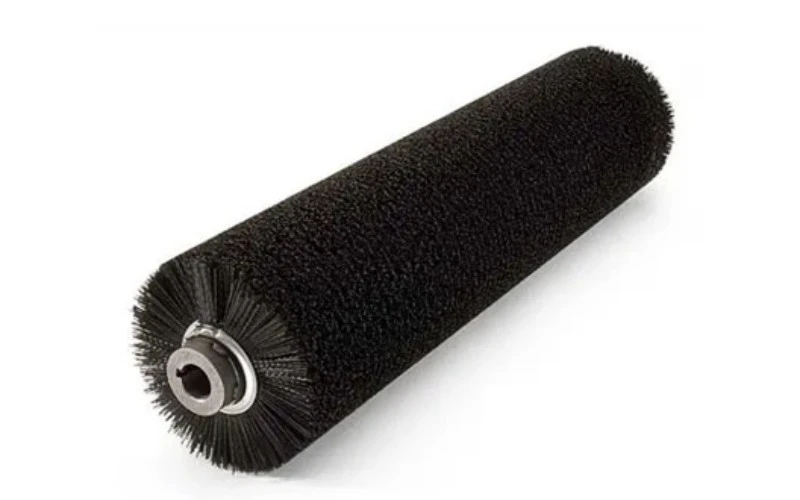
PP Cylinder Rotary Brush
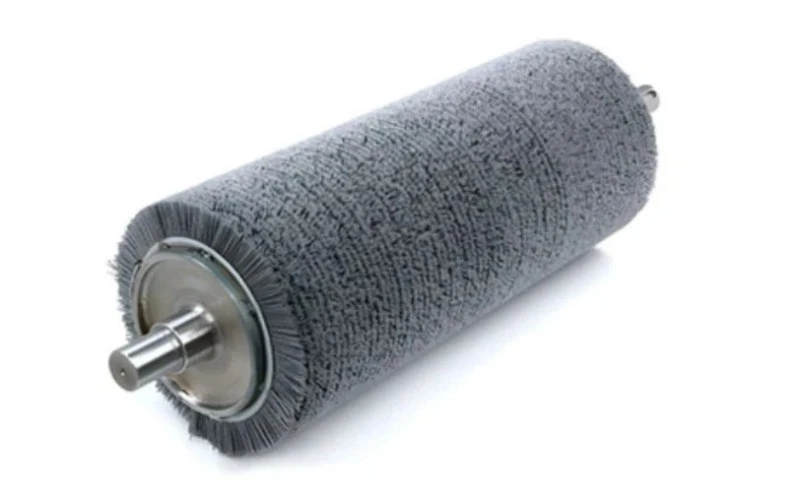
Abrasive Cylinder Rotary Brush
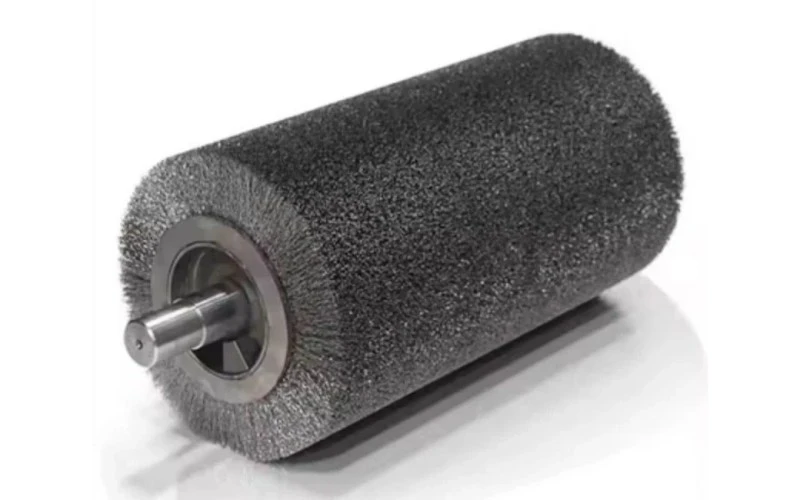
Stainless Steel Wire Cylinder Brush
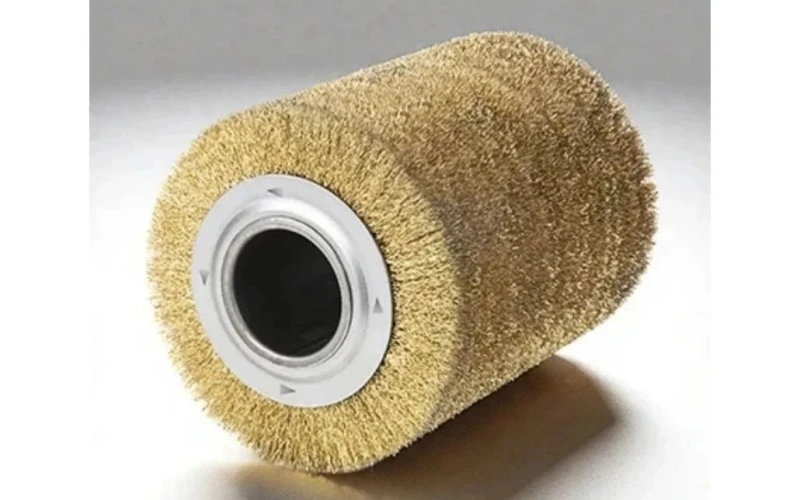
Brass Wire Cylinder Brush
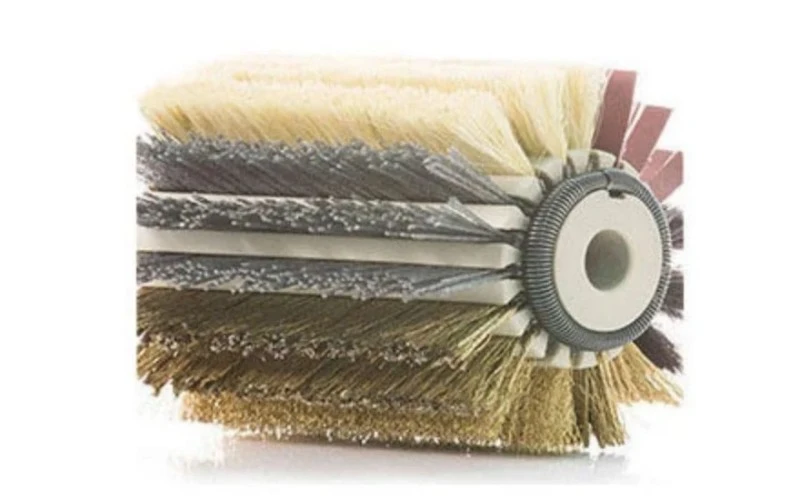
Sisal Sandpaper Cylinder Rotary Brush
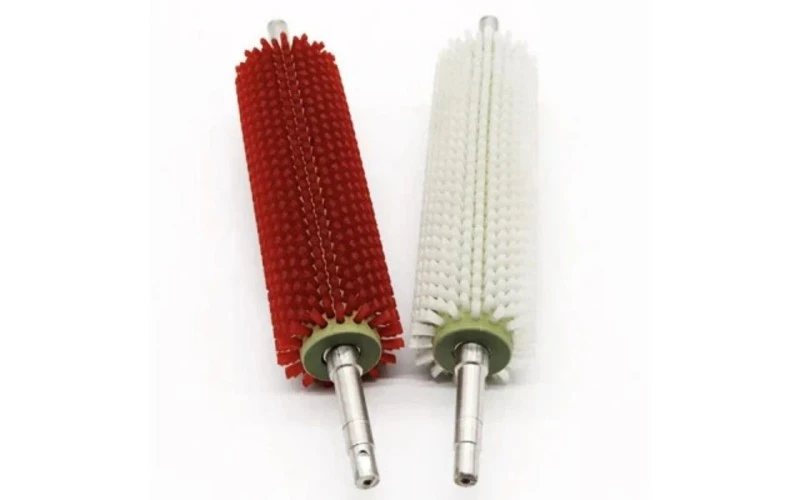
Nylon Cylinder Brush for Cleaning
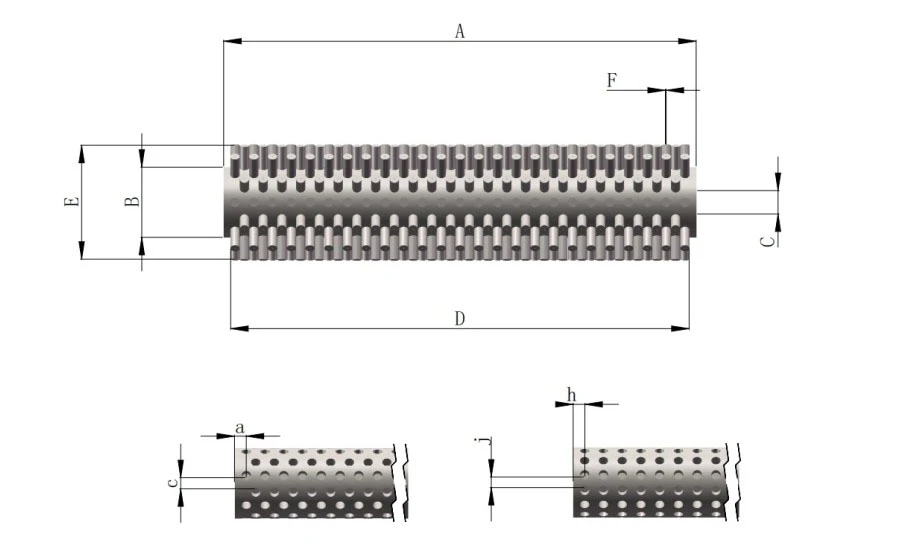
Customize Your Cylinder Rotary Brush
FAQ
Can the industrial cylinder rotary brush handle both soft and abrasive operations?
Yes. Depending on the filament choice—ranging from food‑grade nylon to steel wire—it performs delicate cleaning or heavy rust removal in one modular system.
How is maintenance simplified in modern rotary designs?
Modular replaceable segments and robust cores enable quick part swapping without full replacement. This feature greatly reduces downtime.
What are the advantages of using a cylinder rotary brush in solar panel cleaning?
The rotating bristles of a cylinder rotary brush ensure a thorough clean of solar panels, enhancing their efficiency without causing damage.
In what industries is the cylinder rotary brush most often used?
Solar‑power cleaning, conveyor maintenance, food processing, glass production, textile finishing, woodworking, and metal treatment—wherever continuous and uniform surface contact is required.